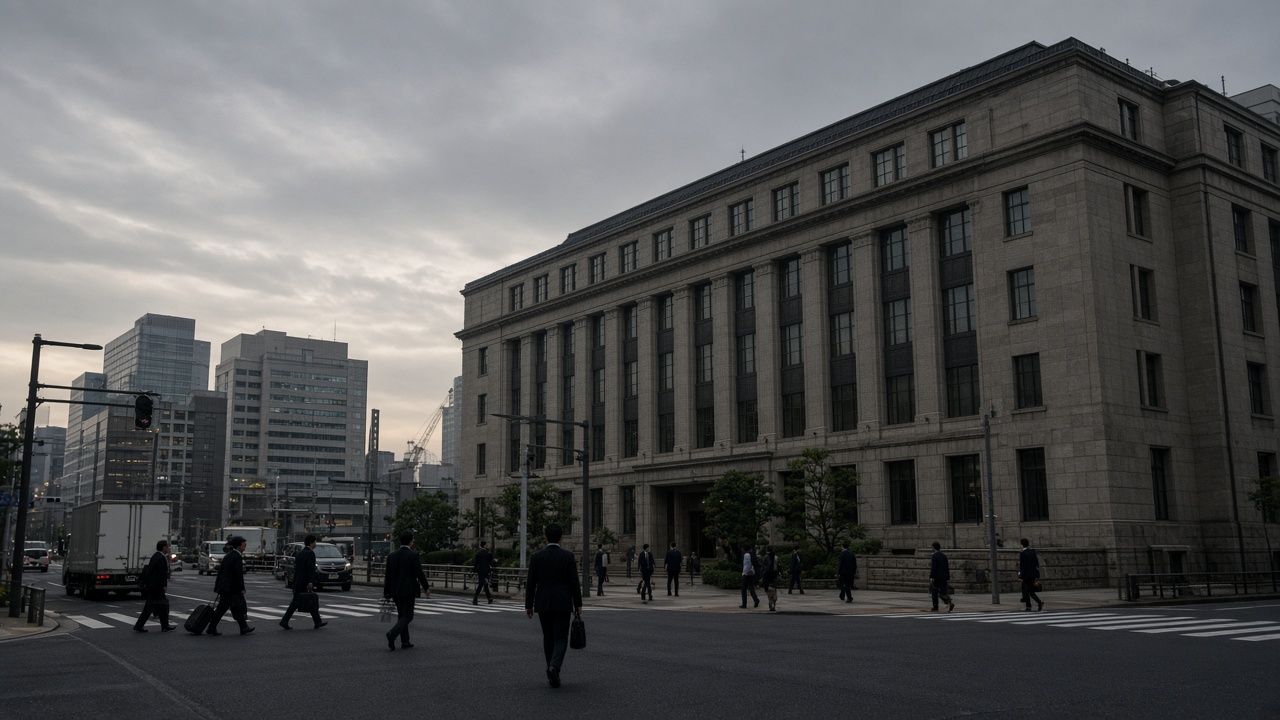
The Bank of Japan on Monday published minutes from its July 30–31 policy meeting showing several board members pressed for faster interest-rate increases as imported inflation and a weak yen kept consumer prices above target. The document lands ten days after Governor Kazuo Ueda’s board actually raised the uncollateralized overnight call rate to about 1.25 percent—a 31-year high—making the July debate a roadmap for how quickly Tokyo might move again.
What policymakers argued in July
According to the minutes, many of the nine-member board said the central bank was gradually shifting its focus toward anchoring underlying inflation near the 2 percent target rather than merely supporting growth. Some members called explicitly for a quicker pace of hikes, citing mounting price risks from Middle East energy shocks and persistent yen weakness that raised costs for manufacturers and households alike.
The board had lifted rates in June, paused in July, then resumed tightening in September with a 7–2 vote. Dissenters in September wanted an even larger move; the July minutes suggest that hawkish camp was already vocal before the September decision, not reacting only to post-summer market moves.
How traders are reading the release
Tokyo money markets had already pushed the 10-year Japanese government bond yield above 3.1 percent in consecutive sessions ahead of the minutes, reflecting bets that Ueda will keep adjusting accommodation while global rates stay elevated. Monday’s text reinforced that view: several members framed further hikes as a way to prevent inflation expectations from de-anchoring, even if financial conditions remain broadly accommodative by historical standards.
Major banks’ economists told clients the minutes reduce the odds of a long pause after September, though none predicted an inter-meeting move. The next scheduled policy meeting is in late October, when the board will update its outlook report and field questions on whether wage settlements and spring price pass-through justify another step.
Corporate Japan’s stake
For exporters, faster hikes compound yen volatility already whipsawing earnings guidance. Fast Retailing and other importers flagged fuel and cotton costs in recent filings; a steeper policy rate path would lift funding costs for leveraged retailers while potentially supporting the yen if rate differentials narrow against the dollar.
Union negotiators heading into next year’s shunto wage talks may cite the minutes as evidence the BOJ sees inflation as durable, strengthening demands for base-pay increases. The July record does not bind future votes—Ueda has repeated that each meeting stands alone—but it shows the internal coalition that backed September’s hike was building its case weeks earlier, before oil spikes and bond selloffs dominated headlines.
Regional banks, which earn more from lending spreads when long yields rise, welcomed the hawkish tone in the minutes while warning borrowers about floating-rate mortgage resets. The release also noted board discussion of climate-lending facilities, a reminder that quantitative tools are winding down even as the policy rate climbs.