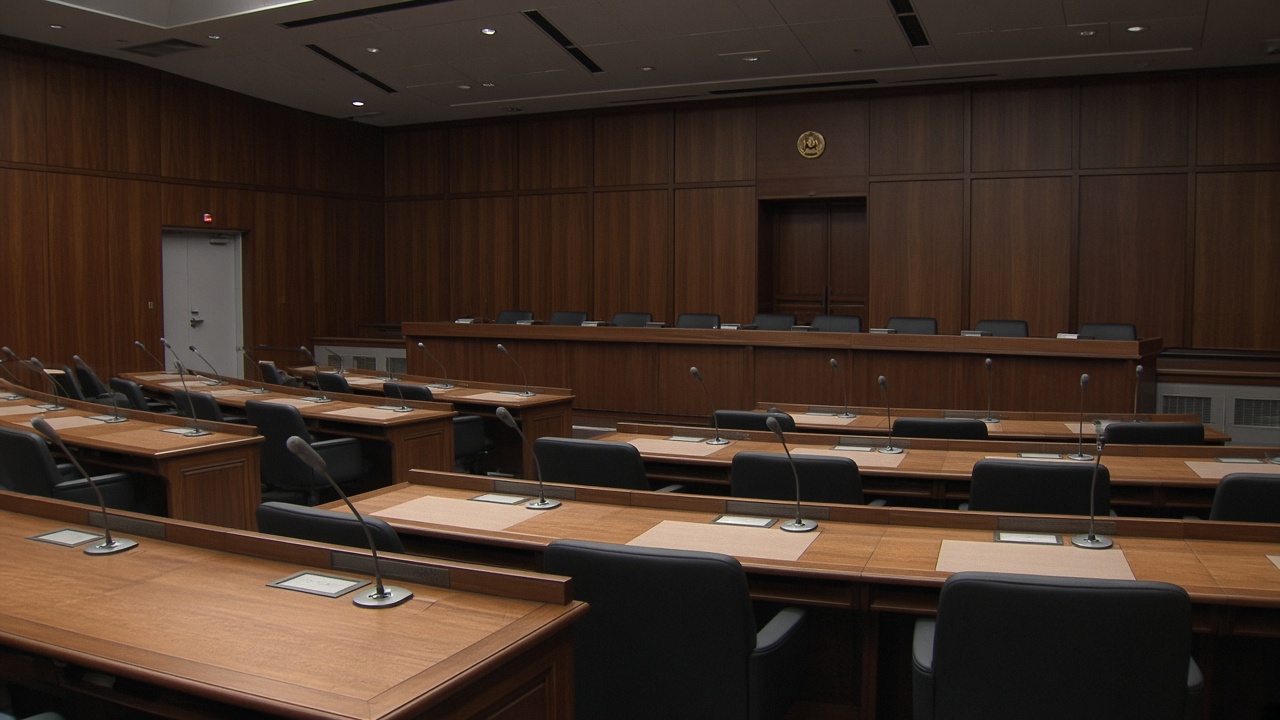
The Constitutional Democratic Party filed a lower-house seat reapportionment bill on Monday, opening a procedural clock that will overlap with Prime Minister Sanae Takaichi’s planned extraordinary Diet session starting Oct. 5.
The bill would trim ten seats from prefectures that lost population share since the 2020 census and add them to suburban Tokyo and Kanagawa belts. LDP leaders say they prefer a bipartisan map, but have not published counter-numbers ahead of the session’s expected 69-day run.
Why timing matters
Reapportionment is a precondition for the next general election whenever Takaichi chooses to call it. CDP secretary-general commentary Monday argued that delaying the map protects incumbents in shrinking rural districts. Government whips counter that food-tax relief must not wait on redistricting math.
Akari Kato, who covers politics, said the bill forces joint committee hearings even if the government table is dominated by consumption-tax bills. Opposition parties can stall plenary calendars by demanding district-level impact sheets—documents the internal affairs ministry has drafted but not released.
Link to fiscal debates
Seat cuts in four prefectures would reduce pork-barrel pull for lawmakers who oppose consumption-tax base broadening elsewhere. That linkage is unstated but understood: rural LDP members fear both lost seats and lost transfers if tax cuts widen deficits without offsets.
The Oct. 5 session will also carry defense supplemental votes and disaster-reconstruction extensions. Chief Cabinet Secretary briefings Friday confirmed the calendar but did not guarantee passage dates for either tax or map bills.
What comes next
Speaker’s office must assign the CDP bill to a committee by midweek. If LDP negotiators offer a bipartisan working group, CDP leaders say they will join only if public hearings include independent demographers—not just party-selected experts.
Foreign diplomats watch the session for fiscal signals more than seat lines. Yet domestic legitimacy for tax changes depends on a Diet that reflects where voters live now. Monday’s filing ensures reapportionment stays on the same agenda as Takaichi’s tax promises, whether coalition leaders wanted that pairing or not.
Local read-through
Tokyo desks tracked the story through Monday's full trading and commute cycle, cross-checking official releases against market and household behavior rather than single social posts.
Ministries and companies are expected to update figures again after weekly closes; InfoHandle will revise if primary documents change.
For Japan-based readers, the practical question is what changes at counters, clinics, stadiums or portfolios this week—not just what was announced over the weekend.
Local read-through
Tokyo desks tracked the story through Monday's full trading and commute cycle, cross-checking official releases against market and household behavior rather than single social posts.
Ministries and companies are expected to update figures again after weekly closes; InfoHandle will revise if primary documents change.
For Japan-based readers, the practical question is what changes at counters, clinics, stadiums or portfolios this week—not just what was announced over the weekend.
Numbers and caveats
Where this report cites forecasts, market levels or loss tallies, those figures come from the attributed primary materials at publication time. Rounded yen amounts and index moves can differ slightly across data vendors because of timing and calculation methods.
Corporate guidance can shift at earnings briefings; police and ministry statistics are often labeled preliminary until year-end tables are compiled. Treat single-day market moves as context, not destiny.
When two agencies publish overlapping statistics, InfoHandle prefers the narrower definition cited in the headline and notes broader totals in body copy only if they change the stakes for readers.
Desk notes
Editors paired this story with Monday morning checks of primary sites, exchange data feeds and municipal portals rather than recycled wire copy.
Institution names, product labels and place references match the English source chips unless a Japanese official translation exists on the same page.
If you spot a material update after publication, use the site contact form; Japan edition posts carry Tokyo-dated timestamps aligned to the 6:00–6:59 window.