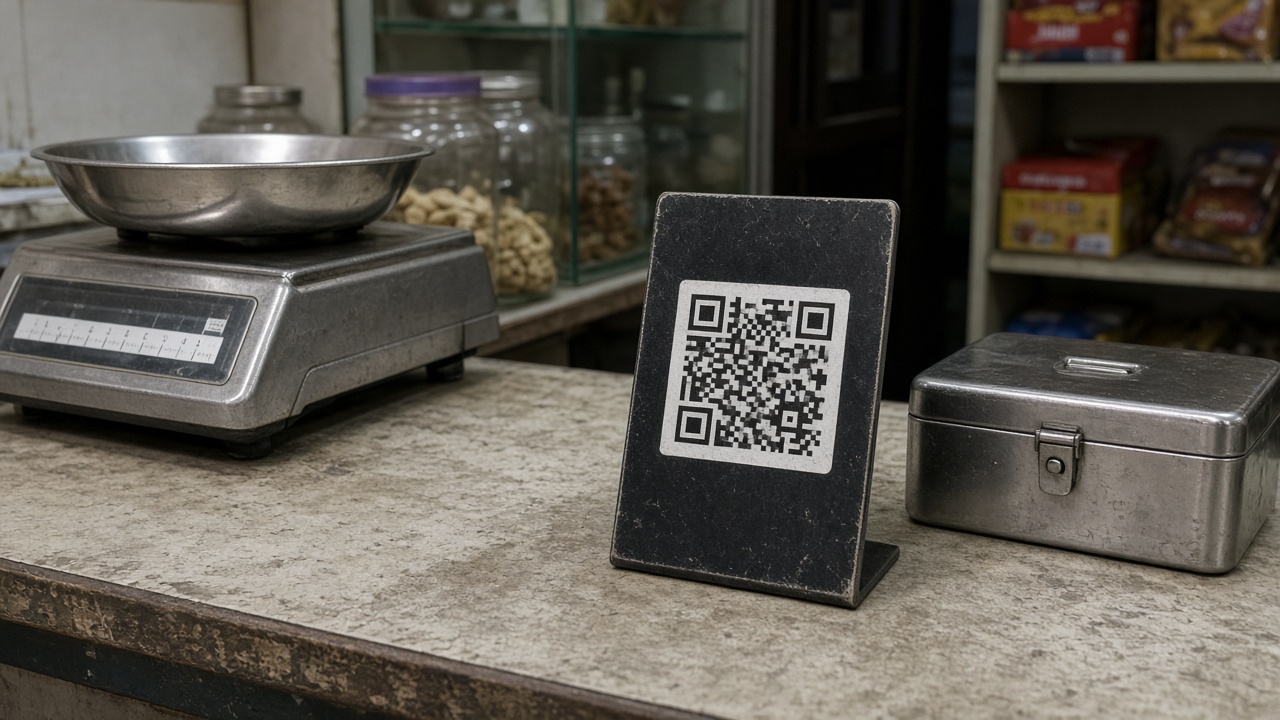
Merchants accepting Unified Payments Interface payments above ₹2,000 will face a 0.4 per cent acquirer charge capped at ₹300 per transaction from 15 October, a shift that reverses earlier government assurances that the rail would stay free for retailers and reopens the household finance question of how digital checkout costs get passed through.
How the cap works at the till
Forbes reported on 27 September that the Department of Financial Services published a detailed FAQ in mid-September explaining merchant discount rates on UPI, including worked examples for high-value tickets. On a ₹75,000 television purchase, a 0.4 per cent charge equals ₹300, hitting the ceiling; smaller baskets below ₹2,000 remain exempt, and person-to-person transfers stay outside the fee framework.
Payment executives say the cap prevents runaway costs on luxury sales but still changes economics for appliance chains, jewellery counters and furniture stores where average ticket sizes exceed ₹2,000 routinely. Kirana owners with mixed baskets may need new signage explaining whether cash discounts still apply when customers pay by QR.
Why policymakers moved now
Volume on the rail exceeded 24 billion transactions in August, according to industry statistics cited in policy commentary, while average ticket sizes fell as users migrated daily spending from cash. Government subsidy pools that kept acquirer fees at zero strained under that growth, prompting the FAQ's clarification on sustainability and bank compensation.
Analysts quoted in international coverage estimated annual revenue for banks and processors in the ₹15,000 crore to ₹20,600 crore range if adoption holds, though actual collections depend on how many merchants absorb costs versus passing them to consumers.
Credit-card crossover effects
Issuers marketing RuPay credit-on-UPI products say the fee makes their reward economics easier to explain: interchange on card rails already priced merchant costs, while UPI had been subsidy-driven. Some co-branded programmes may highlight that sub-₹2,000 UPI spends stay free while higher tickets behave more like card acceptance.
Consumer finance desks warn that instalment plans linked to UPI autopay mandates could see higher merchant resistance if acquirer charges stack with existing card merchant discount rates on hybrid checkout flows. Borrowers should read revised terms on festival zero-cost EMI campaigns launching in October.
Household questions at checkout
Shoppers paying rent or tuition via UPI often exceed ₹2,000 per transfer even when paying individuals; regulators have clarified person-to-person use cases differently from merchant QR acceptance, but confusion persists at housing society gates and coaching centres. Clear receipts matter for tax deductions under Section 80C and HRA claims.
Digital wallet users should watch whether loyalty points on UPI spends change when acquirer fees begin. Apps that previously burned venture subsidies to fund cashback may trim offers unless merchants co-fund promotions.
Implementation timeline
Acquiring banks must publish merchant-specific rate tables before mid-October festival sales, a separate technology desk story on Monday noted. Processors are testing billing systems to split fees between issuer, acquirer and merchant accounts on settlement files.
For households, the practical deadline is 15 October: after that date, large-ticket QR payments will carry a cost someone in the chain must bear—even if the buyer still sees a zero-fee message on their phone screen.