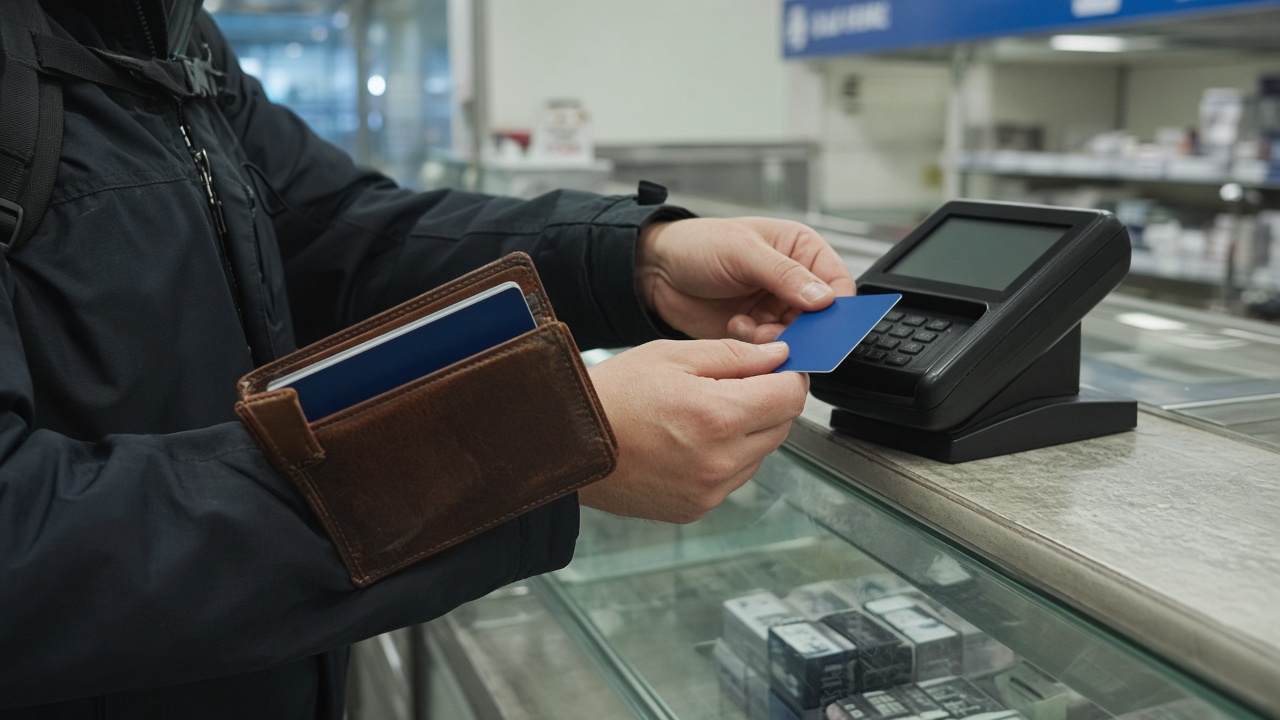
Chase eliminated the Freedom Flex’s 3 percent foreign transaction fee on international swipes starting September 20, 2026, turning a no-annual-fee card that many travelers kept at home into one they can run abroad without an automatic surcharge on every charge.
What changed for cardholders
Before the change, Chase added 3 percent to any purchase processed outside the United States or billed in a foreign currency, including hotel prepayments and transit taps booked through overseas apps. That fee applied even when the cardholder never left the country, because many streaming services and airlines route charges through foreign processors.
Chase confirmed the waiver applies to existing accounts automatically. Cardholders do not need to opt in, request a product change, or reapply. Purchases on or after September 20 should post without the foreign fee line item that previously appeared on statements.
The bank paired the fee drop with a limited-time $250 welcome bonus for new applicants who spend $500 in the first three months, up from the standing $200 offer reported by travel deal trackers. That marketing window does not affect current holders unless they open a separate account, which would trigger a hard credit inquiry.
How this compares with other no-fee cards
Capital One’s Savor Cash Rewards and Discover it Miles already charged zero foreign transaction fees. The Freedom Flex now joins that group while keeping its rotating 5 percent categories and permanent 3 percent cash back on dining and drugstores. Discover pays a flat rate on everything; Savor emphasizes dining and entertainment. The practical difference for many households is that the Flex may already sit in their wallet from domestic 5 percent quarters, so they avoid opening another account just to dodge abroad fees.
One sibling did not move: Chase Freedom Unlimited still carries a foreign transaction fee. Households that split spending between the two cards should keep Unlimited for domestic flat-rate purchases and Flex for abroad or foreign-currency charges until Chase aligns the products.
Benefits that quietly disappeared
Trade publications note Chase removed cell phone protection from the Freedom Flex in the same refresh cycle. Cardholders who relied on that coverage for cracked screens or theft should read the updated guide to benefits before canceling a separate phone insurance policy. Points Boost hotel redemptions through Chase Travel also received promotional boosts, but those offers rotate and require booking through Chase’s portal rather than direct hotel sites.
What to do before your next trip
Download the latest benefit guide in the Chase app and check the quarterly 5 percent activation deadline; missing activation still caps bonus categories at 1 percent. Notify Chase of travel dates if you use fraud alerts that block foreign charges. Compare your total rewards math against a dedicated travel card if you also pay an annual fee elsewhere—waiving 3 percent abroad saves $30 on every $1,000 spent, but airline fee credits or lounge access may still favor a premium product for heavy flyers.
If you carry a balance, remember that cash back does not offset purchase APR. The foreign fee change does not alter interest rates on carried balances, which reset with the prime rate after the Federal Reserve’s September move.
Statement math on a typical vacation
A family that spends $4,000 abroad on hotels, meals, and excursions previously paid $120 in foreign fees on Freedom Flex charges alone. That line item now reads zero, though currency conversion still uses Visa or Mastercard network rates, which can differ slightly from the mid-market rate you see on finance apps. Dynamic currency conversion at checkout—when a merchant offers to bill in dollars—still usually carries a markup; choose local currency and let the card network convert.
Business travelers who expensed foreign fees may need to update corporate card policies if finance teams assumed Flex would never leave the country. Receipts should still show merchant location for audit trails even when the fee disappears.
Issuer economics behind the waiver
Chase earns interchange on spend volume, not on foreign fees alone. Waiving 3 percent can lift transaction counts among existing customers and defend the card against Capital One and Discover offers during a period when travel spending has rebounded from prior-year softness. The bank can also steer hotel redemptions through Chase Travel promotions that generate partner revenue.
None of that changes the purchase APR if you revolve debt. Pay statements in full when using any rewards card; cash back is wiped out quickly when interest accrues at double-digit rates tied to the prime rate.