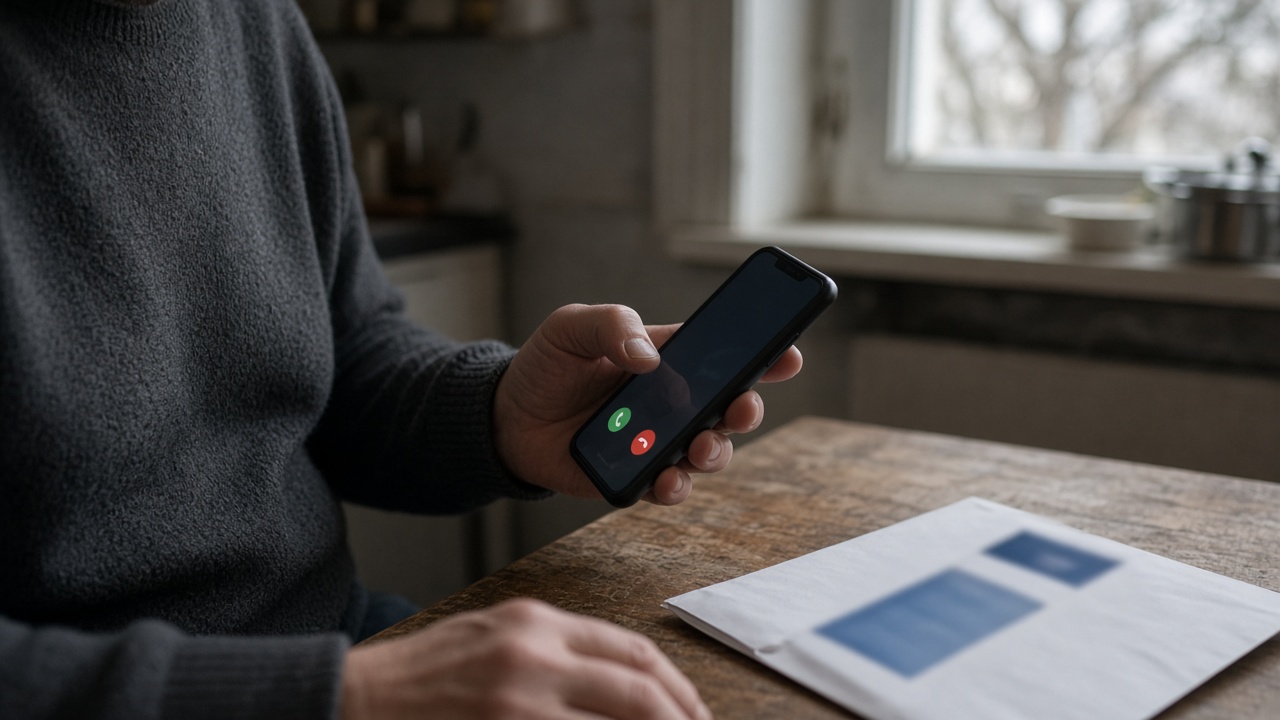
Scammers posing as Medicare, the Internal Revenue Service, and Social Security officials are flooding phones and inboxes again this fall, and federal agencies say the only safe response is to hang up, delete the message, and file a report at ReportFraud.ftc.gov without calling back numbers the caller provided.
What the September SSA alert warns
In a September 25, 2026 blog post, the Social Security Administration described how impersonators open contact: unexpected texts, social media messages, emails, or calls claiming a benefits problem, a suspended Social Security number, or a prize that requires verification. Real agencies do not threaten to cut benefits unless you pay immediately, and they never demand gift cards, wire transfers, or cryptocurrency.
Medicare impersonators ask for your Medicare number to ship a “new” card or to process a durable medical equipment claim you never filed. Medicare sends replacement cards automatically at no charge. The IRS variation insists you owe back taxes and will be arrested unless you pay a “settlement” today. The IRS initiates most contact by mailed letters, not robocalls.
Spoofing tricks that feel legitimate
Caller ID can display “Social Security Administration,” “IRS,” or a local area code even when the call originates overseas. Scammers send photos of fake employee badges and official-looking letters. Search ads sometimes place scam sites above real .gov pages. If you need Medicare help, call 1-800-MEDICARE yourself. For tax questions, use IRS.gov contact tools rather than numbers from voicemail.
Steps if you already shared information
Contact your bank and credit card issuers if you gave account numbers. Place a fraud alert or security freeze with the three major credit bureaus if you disclosed a Social Security number. Medicare beneficiaries should review recent claims at Medicare.gov for equipment or services they did not receive. Document dates, phone numbers, and payment methods for law enforcement reports even though the FTC cannot resolve individual cases.
Why reporting matters now
ReportFraud.ftc.gov feeds Consumer Sentinel, a database shared with state attorneys general and criminal investigators. Reports help pattern detection even when money is gone. The FTC also warns that scammers now impersonate the FTC itself, promising to recover earlier scam losses if you move money to a “protected” account—another red flag.
Protect relatives during open enrollment
Medicare open enrollment brings legitimate plan marketing alongside fraud. Tell family members that licensed agents will not demand Medicare numbers on cold calls. Shred documents with health identifiers, and set phones to send unknown numbers to voicemail during enrollment weeks. A five-minute conversation beats trying to unwind a fraudulent equipment claim months later.
IRS and Medicare seasonal patterns
Impersonators time campaigns to real agency calendars. Tax extension filers still finishing 2025 returns receive bogus “balance due” calls in early fall, while Medicare beneficiaries see spikes before October plan changes. Scammers know those dates and script urgency around them even when your account is fine.
Legitimate IRS notices include a notice number you can verify at IRS.gov. Medicare summary notices arrive by mail after claims process; they never demand instant payment by phone.
Businesses and payroll departments
HR teams should remind employees that Social Security will not call payroll to “verify” direct deposit switches. Payroll fraud starts with a fake employee email; government impersonation is the consumer mirror. Separate training slides for each reduce mistaken wire transfers.
Small medical offices are frequent targets for fake Medicare equipment orders. Billing staff should confirm authorization numbers through official portals rather than callback numbers on faxes.
Local police non-emergency lines can take reports for documentation even when the FTC is the primary federal intake. Keep a call log with timestamps if your carrier offers scam-blocking analytics—you may need those records when disputing unauthorized Zelle transfers your bank initially denies.
Voicemail and text hygiene
Delete robocall voicemail prompts that ask you to press 1 to speak with an agent; returning the call routes you to a live scammer. Forward suspicious Medicare texts to 7726 (SPAM) so carriers can block originating numbers when possible.