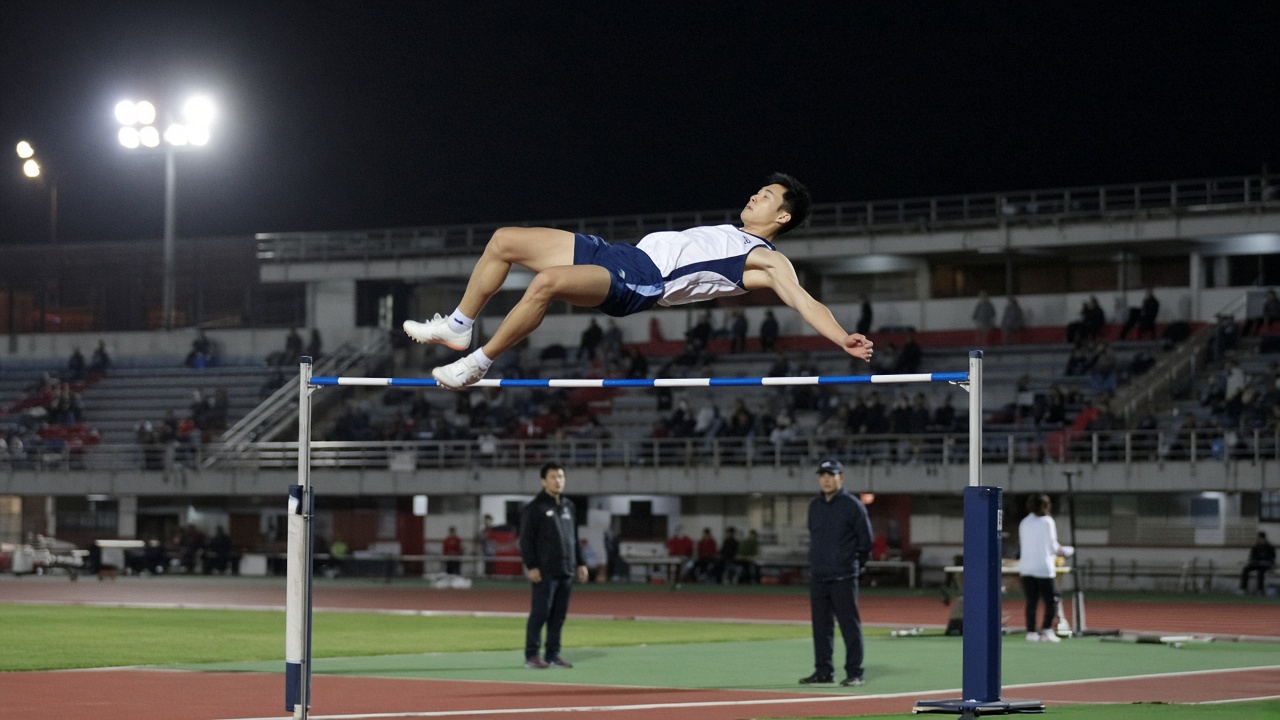
Taiwanese high jumper Fu Chao-hsuan cleared 2.25 metres on Sunday to win gold at the Aichi-Nagoya Asian Games, giving Taiwan its first men's athletics title at the continental meet since Wu Ah-min won the decathlon in 1966. The 23-year-old matched his season best in the final and held off a field that included several jumpers who had posted faster early-season marks on the Diamond League circuit.
Final day at the Nagoya stadium
Fu needed only a handful of attempts to lock up the title once the bar reached winning height. Organizers in Nagoya ran the final under stadium lights with a modest but vocal crowd after a week of baseball and team sports dominating local television schedules. For Fu, the victory caps a year in which he steadily raised his consistency above 2.20 metres in regional meets.
Taiwan's previous men's high jump medal at the Asian Games was a bronze by Liao Hsueh-sung in 1990. Sunday's gold is therefore the best finish by a Taiwanese man in the event in 36 years, and the first gold in any men's athletics discipline at the Games in 60 years.
Team context in Nagoya
Fu's medal lifted Taiwan to three golds at the 2026 Asian Games, joining successes in other disciplines staged across the Aichi region. On the same day, Taiwan's baseball team beat China 5–1 to secure bronze, extending a long run of dominance in Asian Games head-to-head meetings between the two programs.
Badminton and table tennis remain the sports most associated with Taiwan's Asian Games history, but athletics officials have invested in jumps coaching and overseas training camps in recent cycles. Fu's coach told Taiwanese reporters after the medal ceremony that the focus now shifts to qualifying windows for the next world championships, where the bar will likely move above 2.30 metres.
What the result changes at home
Back in Taipei, sports administrators are expected to fast-track Fu's support package under the elite-athlete subsidy scheme, which funds coaching, physiotherapy, and international travel. High jump rarely draws the sponsorship dollars of team sports, yet a continental gold can unlock appearance fees and government bonuses that help athletes stay in the event full time.
For viewers who stayed up to watch the live stream, the image of Fu wearing Taiwan's flag after the final was a rare prime-time athletics moment in a Games dominated by baseball rivalries and geopolitical undertones in the stands. Taiwan's delegation had already dealt with protocol disputes over signage at baseball venues; Fu's medal offered a purely sporting headline on a crowded news day.
Next tests on the calendar
Fu will return to the regional circuit this autumn before coaches decide whether to enter indoor meets in Europe this winter. Jumpers who peak for Asian Games years sometimes shorten their outdoor season to avoid injury before national championship trials in the spring.
For now, the measurement that matters is 2.25 metres — high enough to win in Nagoya and high enough to etch Fu's name beside the handful of Taiwanese men who have stood atop an Asian Games athletics podium.