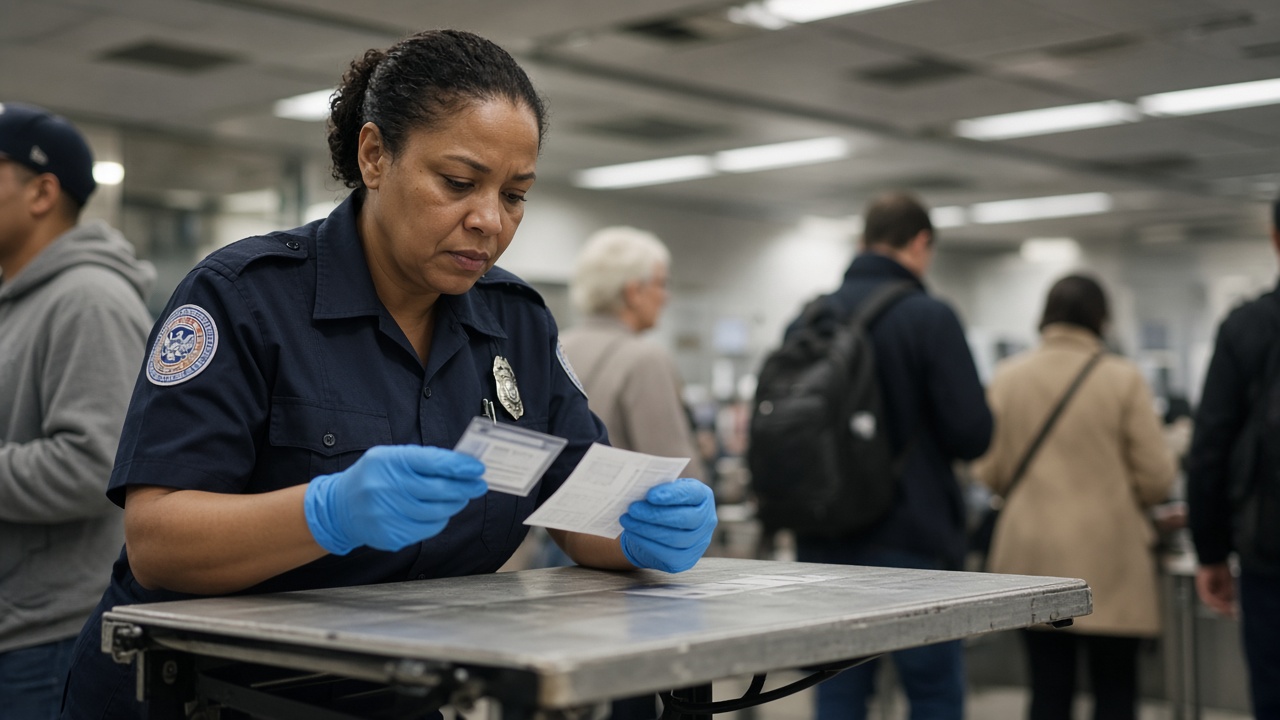
Passengers boarding a United Airlines flight from Las Vegas Harry Reid International Airport to the New York area encountered a secondary document checkpoint at the gate this month, when Transportation Security Administration officers matched government IDs to the flight manifest and searched selected carry-ons before travelers reached the jet bridge.
What travelers described
Posts shared on travel forums and reported by travel media said up to six TSA personnel set up a table at the departure gate, reviewing each boarding pass against photo ID and opening some bags that had already cleared the main checkpoint. Agents characterized the operation as a random security event, while frequent flyers noted they had rarely seen gate-level screening on domestic routes.
Commenters linked the extra layer to diplomatic traffic tied to high-level meetings in the New York region, when federal agencies sometimes add unpredictable checks on flights into busy airports. TSA does not always publish advance notice of gate inspections, so travelers should budget extra time whenever flying into the Northeast during major summit weeks.
How this differs from standard screening
Ordinary TSA checkpoints x-ray bags and screen passengers for prohibited items. Gate checks focus on identity assurance—confirming the person boarding matches the reservation—and can include explosive trace swabs or manual bag searches. Airlines cooperate when law enforcement or TSA selects a flight for additional protocols.
REAL ID-compliant licenses or passports remain required at the initial checkpoint under rules in force since May 2025. Travelers who arrive without acceptable ID may pay a $45 fee for TSA ConfirmID identity verification, a separate program from gate inspections but part of the same tightened document environment.
Practical tips for Monday departures
Arrive at Harry Reid at least two hours before domestic departures when flying to Newark or other New York-area airports during busy weeks. Keep IDs and boarding passes in hand when approaching the gate, and avoid packing gifts that trigger re-search. If officers select your bag, stay with it until cleared rather than boarding and leaving items behind.
United MileagePlus elites should still expect the same checks; status does not exempt passengers from lawful screening. Document delays with customer service if missed connections result from gate holds, but airlines typically treat extra security as outside their control.
Know your rights
Officers may not detain you without cause, but refusing ID matching can deny boarding. Ask for a supervisor if interactions feel inconsistent with published TSA procedures, and file a civil rights complaint through TSA’s website if you experience discrimination. Patience and early arrival remain the cheapest insurance when federal agencies add surprise layers on high-profile routes.
Connections and missed flights
Travelers connecting through Las Vegas on multi-leg itineraries should pad layovers when final destinations are in the Northeast during summit weeks. Gate screening can delay boarding until the manifest is cleared, and carriers sometimes close the door while the last ID check finishes. Travel insurance with “missed connection” coverage may apply if delays exceed policy thresholds—read fine print on security-related waits.
Mobile boarding passes still work, but officers may ask for physical ID; keep wallets accessible rather than stowed in overhead bins during the pre-board scramble.
Other airports that see gate checks
Federal air marshals and TSA Visible Intermodal Prevention and Response teams occasionally deploy gate inspections at Washington Reagan National, Boston Logan, and other hubs when threat levels rise. Las Vegas sees surges during major conventions as well as UN-related traffic bound for the East Coast. Checking TSA social feeds the morning of travel can surface rare advisories, though many gate operations remain unannounced by design.
Global Entry and TSA PreCheck members still pass through gate checks when selected; trusted traveler status speeds the main checkpoint but does not exempt travelers from supplemental screening layers airlines and TSA add on specific flights.
Photograph the contents of carry-ons before gate searches if you travel with fragile camera gear; documentation speeds insurance claims if an item is damaged during inspection. Politeness and preparedness shorten interactions when officers work through a full narrow-body manifest.