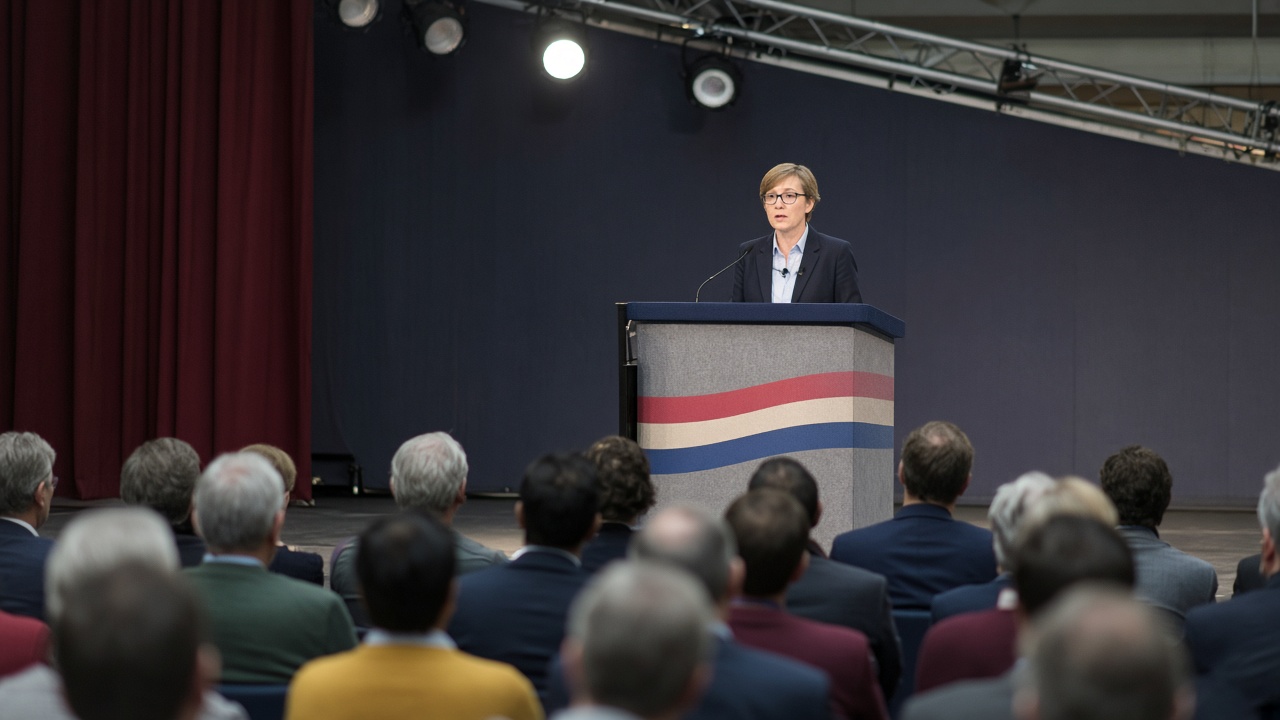
Chancellor John Healey told Labour’s annual conference in Liverpool on Monday that “fiscal discipline” will run through the budget he delivers on 28 October, attempting to reassure gilt markets while pitching an industrial revival to party members. Healey, delivering his first conference speech as chancellor under Prime Minister Andy Burnham, said soaring debt-interest costs were “an affront” to Labour values because money spent servicing borrowing could not reach schools, hospitals, or infrastructure.
What he promised delegates
Healey paired the austerity tone with a slate of headline investments. He confirmed £6 billion in contracts for British shipyards tied to three maritime projects, framed as both national-security and jobs policy. He said Rolls-Royce would invest an additional £300 million across plants in Derby, Bristol, Glasgow, and Rotherham, highlighting nuclear and clean-energy work at the Derby site that once built Spitfire engines. A £100 million fund for metro mayors to expand apprenticeships aimed at young people Healey described as facing “generation jeopardy,” and he announced the “rebirth” of the Union Learning Fund to restore workplace training routes unions ran before the Conservatives scrapped the program.
The speech offered more optimism than arithmetic. Healey repeated that he and Burnham are “in lockstep” on meeting the government’s fiscal rules, including balancing day-to-day spending with revenue by the end of the decade, but he did not specify which taxes or cuts would close the gap. Reuters noted that long-term borrowing costs remain at levels not seen since the 1990s, narrowing the chancellor’s room to maneuver ahead of a budget widely seen as the first test of Burnham’s break from neoliberal orthodoxy.
Markets and the Liverpool context
Healey’s emphasis on discipline lands after months in which gilt yields eroded headroom for spending pledges Burnham made during his July ascent to Downing Street. The Guardian reported that global bond selling and elevated energy prices could push household bills higher in the new year, forcing the Treasury to choose between market reassurance and the prime minister’s reindustrialization rhetoric. Healey cast technology, defence, and clean energy as growth engines, citing the National Wealth Fund’s target of supporting 130,000 jobs by 2030, without detailing how those projects would be sequenced against debt targets.
Conference timing matters. Delegates gathered in Liverpool after Labour’s poll recovery following Burnham’s replacement of Keir Starmer, and Healey’s address was billed as the fiscal curtain-raiser before Burnham’s leader speech on Tuesday. Earlier conference days already featured security and AI debates; Healey’s task was to signal that big-ticket industrial policy would not repeat the market shock of Liz Truss’s 2022 mini-budget.
What happens next
Officials have one month to translate Monday’s themes into budget line items. Treasury watchers will look for Office for Budget Responsibility forecasts, welfare reforms tied to Burnham’s effort to curb a benefits bill that reached £324 billion in real terms last year, and any tax decisions that square shipyard and apprenticeship spending with the chancellor’s discipline message. Healey closed by arguing that only sustained growth could ease living costs, but Monday’s speech made clear that bond investors will hear the word “discipline” first when the red box is opened on 28 October.