Hyundai Motor Co. filed a preliminary registration for a Monterrey-area electric-vehicle parts logistics hub with Mexican economic authorities on Monday, converting one of the 17 memorandums President Lee Jae Myung signed in Mexico City into a concrete land-and-customs plan that procurement teams can budget against. The filing names module handling, inbound battery crate inspection, and phased hiring through 2028 as Seoul pushes a bilateral trade pact that would lock in tariff treatment for Korean suppliers serving U.S. assembly plants south of the border.
What the filing describes
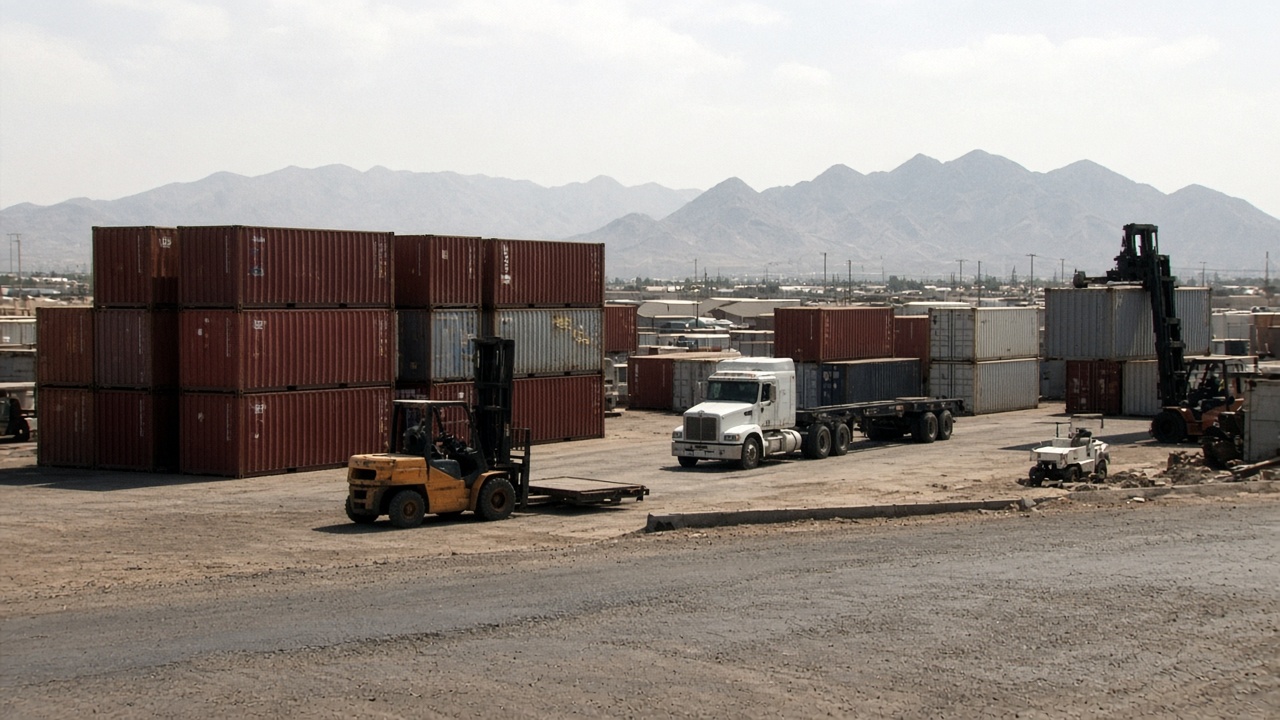
According to a regulatory notice Hyundai posted after markets reopened from Chuseok, the hub would sit on leased industrial land in Nuevo León with bonded-warehouse status so Korean tier-two vendors can stage harnesses, thermal management parts, and pack subassemblies before they cross to Texas and Alabama plants. Hyundai said the site is not a full vehicle assembly line; instead it functions as a consolidation point that cuts repeated customs entries when dozens of small Korean exporters ship to the same OEM schedules.
Trade ministry officials briefing reporters in Seoul said the Monterrey node is the first Mexico-linked project to move from summit communiqué language to a numbered filing since Lee returned from meetings with President Claudia Sheinbaum. That distinction matters for National Assembly oversight hearings scheduled later this week on how quickly summit MOUs become auditable capital commitments.
Why Monterrey fits the U.S. supply chain
Hyundai’s Alabama and Georgia footprints already pull Mexican content under United States–Mexico–Canada Agreement rules, and Korean battery suppliers have been scouting Nuevo León since U.S. electric-vehicle credit rules tightened origin requirements. A Korea Herald industry desk summary noted that staging modules in Monterrey lets Hyundai smooth trucking bottlenecks on the Laredo corridor while giving Korean small and medium enterprises a Spanish-speaking service desk for quality holds and rework.
Competitors including Kia Corp. and tier-one battery houses have announced U.S. investments, but Hyundai’s filing is among the first to tie a Mexico logistics shell directly to post-summit diplomatic paperwork. Analysts at a Seoul brokerage said the hub could support Hyundai’s Ioniq lineup if U.S. tariff negotiations stay volatile, because bonded staging gives planners a buffer when sudden rule changes force origin recalculations.
Employment and local politics
The registration estimates several hundred logistics and quality jobs by 2028, with initial contractor roles focused on customs brokerage and forklift operations rather than high-voltage pack assembly. Nuevo León state officials welcomed the filing in a brief statement carried by Yonhap, framing it as proof that Korea’s nearshoring pitch is more than ceremony. Labor groups in Korea asked whether domestic parts makers might lose volume if more kitting happens abroad; Hyundai responded that Korean exports would rise in value-added modules rather than loose components.
Environmental reviewers in Mexico still must sign off on battery storage fire codes; Hyundai’s notice said it will use outdoor staging lanes and limited indoor charging until local fire marshals certify permanent warehouses. That timeline could slip if hurricane season disrupts Gulf Coast trucking links Hyundai relies on for Alabama-bound loads.
Assembly scrutiny in Seoul
Ruling and opposition lawmakers alike demanded DART disclosures on capital expenditure tied to the hub before the October supplementary budget vote. Hyundai said consolidated spending will appear in quarterly filings once land leases finalize, avoiding a one-day headline number that might mislead retail investors. The trade ministry added that other summit MOUs covering aerospace and digital cooperation remain in feasibility stages and should not be read as imminent filings.
For Korean readers tracking Lee’s Mexico trip, the Monterrey registration is the first proof point that summit paperwork reached a government inbox with checkboxes, not just handshake photos. Whether the hub accelerates U.S. deliveries or simply relocates paperwork will depend on how fast customs brokers staff the lanes—and whether Korean suppliers actually reroute freight through Nuevo León instead of flying everything direct to U.S. airports.
Investor read-through
Hyundai shares traded with the broader Kospi reopening Monday and did not gap on the filing alone, suggesting investors treat logistics shells as long-dated options. Bondholders focused on whether lease commitments affect net cash before U.S. tariff clarity arrives. Hyundai’s treasury team said foreign-exchange hedging for peso rents is already in place through 2027, limiting near-term earnings surprises if the won swings after holiday-thinned liquidity.