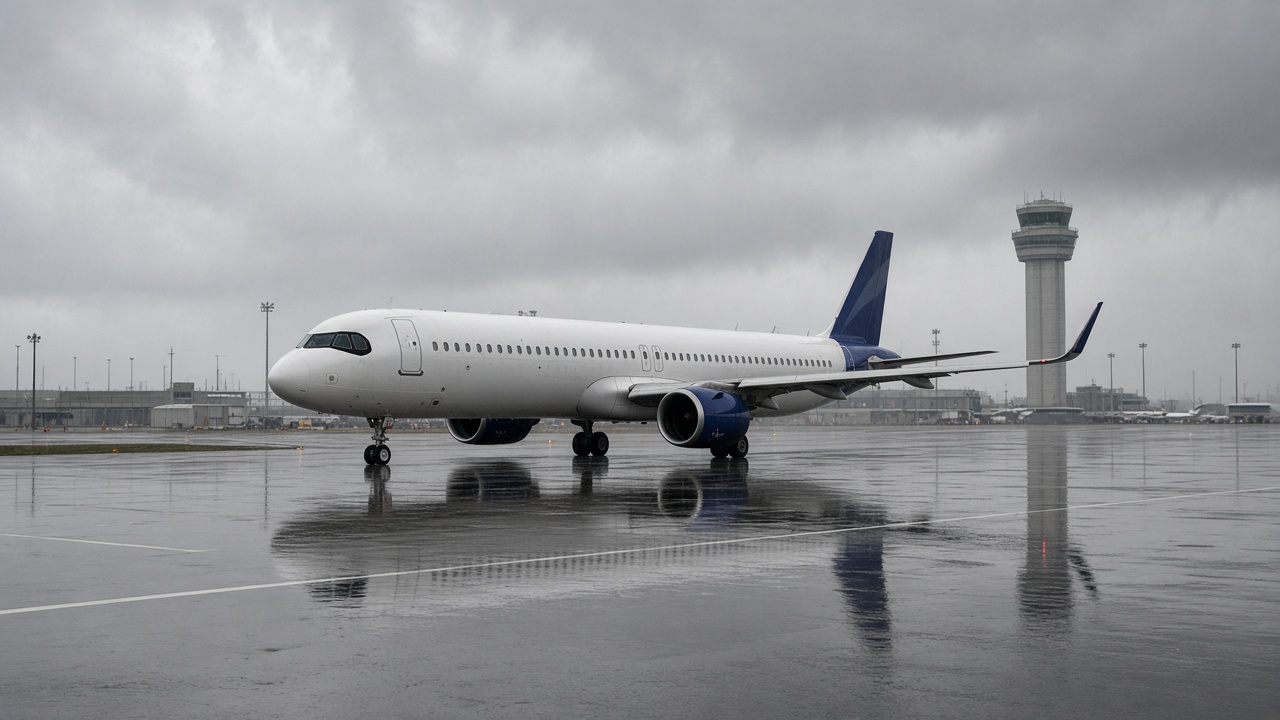
India’s Directorate General of Civil Aviation has opened an investigation after an IndiGo Airbus A321neo suffered a tail strike while landing at Kempegowda International Airport in Bengaluru on Sunday, the airline and regulators confirmed. Flight 6E6542, arriving from Guwahati, made an initial approach in gusty conditions, contacted the runway in what IndiGo described as an “abnormal runway contact,” and then completed a second landing without further incident.
What passengers and crew reported
IndiGo said all passengers and crew disembarked safely after the aircraft came to a stop on the second attempt. The carrier grounded the jet for maintenance inspections and told regulators it would not return to service until engineering sign-off and any required DGCA clearances are in place.
Aviation safety analysts note that tail strikes often occur when pilots flare late or encounter sudden wind shear on short final approach. Bengaluru’s afternoon thunderstorms and crosswind patterns in the monsoon transition season can amplify those risks, especially on longer narrow-body variants such as the A321neo.
Regulatory scrutiny of repeat events
The DGCA inquiry will examine flight-data and cockpit-voice recorders if they are available, along with weather readings at the time of the approach and IndiGo’s crew training materials for gusty-weather landings. The regulator has faced questions from industry groups about a pattern of tail-strike reports involving IndiGo’s A321neo fleet over the past year, though each event still requires a standalone finding on cause and corrective action.
Airline statement and operational impact
In a statement, IndiGo attributed the Bengaluru contact to gusty weather and said it informed “all relevant authorities” under standard operating procedures. The airline did not publish a passenger count for the flight; schedule data show 6E6542 as a routine Guwahati–Bengaluru sector that feeds both business traffic and northeastern connectivity into Karnataka’s tech corridor.
Grounding a single A321neo can ripple through IndiGo’s tight rotation schedule, forcing dispatchers to swap aircraft or delay departures on connecting legs. Investors typically watch such incidents for signs of increased maintenance spending or temporary capacity constraints during peak travel weekends.
What the probe must answer
Investigators will want to know whether the first approach exceeded stabilized-approach criteria, whether autothrottle or flight-director settings played a role, and whether Bengaluru air traffic issued wind shear advisories in the minutes before landing. Airport operator Bangalore International Airport Ltd. may also review runway friction and lighting logs even though tail strikes are primarily an aircraft-handling issue.
For DGCA officials, the case sits at the intersection of monsoon weather, high-cycle low-cost operations, and public concern after several high-profile runway excursions elsewhere in the region. A factual report could recommend additional simulator training, revised gust limits, or engineering checks on tail-skid wear — outcomes that would apply fleet-wide if a systemic issue is identified.