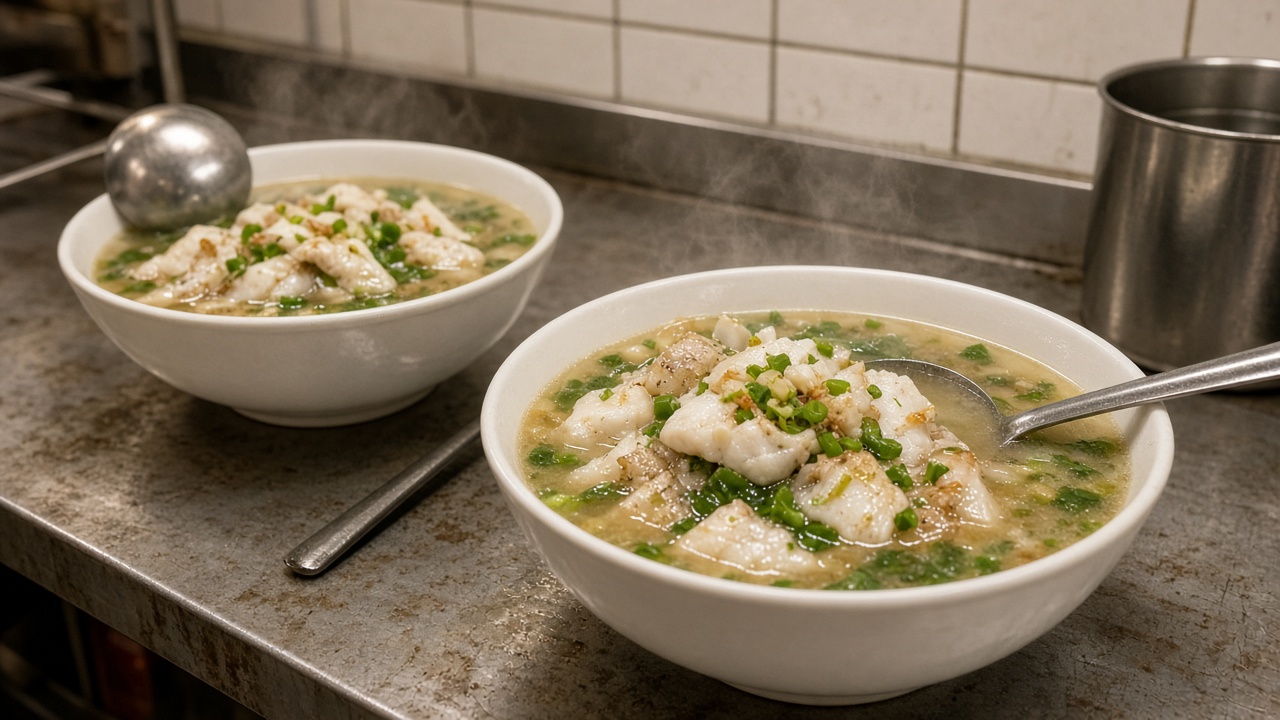
Ka-Soh, the Cantonese fish-soup institution on Greenwood Avenue, will ladling its last bowls on Sunday 28 September after 86 years in business, the owner told CNA Insider. The decision follows a proposed 30 per cent rent increase at lease renewal — a jump the family said it cannot absorb without pushing bowl prices beyond what regulars at the Bukit Timah coffee-shop strip will pay.
A neighbourhood fixture
Ka-Soh’s roots run to pre-war street stalls, and the Greenwood outlet became a pilgrimage site for celebrities and diplomats seeking milky broth and fried fish slices. Unlike mall chains that can spread costs across outlets, the restaurant operated as a single storefront with a menu built around a handful of soups and zi char plates. When rent was manageable, that focus was a strength; when landlords reset leases to post-pandemic benchmarks, it became a single point of failure.
Owner interviews described the closure as forced, not strategic. Tenant groups such as Singapore Tenants United for Fairness have documented renewal increases of 20 to 49 per cent across food and beverage sites, especially in conserved shophouses where investor demand pushed yields upward. Ka-Soh’s case lands the same week MeiGui BBQ in Geylang announced an October shutdown, part of a year in which industry trackers counted more than 2,000 F&B exits.
What regulars face today
Queues formed ahead of the final service, with diners ordering signature fish soup and fried fish slices while staff worked through inventory without a reopening date. Ka-Soh has not announced a relocation; fans hunting the same recipe will need to try other Cantonese outlets or home cooks trading tips in chat groups. For Greenwood Avenue, the loss removes another independent name from a belt that already lost Burp Kitchen & Bar in July.
Hawker centres and coffee shops operate under different lease models, but the rent pressure is similar. NEA’s September cleaning closures kept dozens of centres offline for days, reminding stallholders that even mandatory downtime eats cash flow. Ka-Soh’s sit-down format carried higher staffing costs than a single hawker stall, yet the rent story rhymes with what stallholders say when renewal letters arrive.
Policy context
Tenant advocates want renewal caps tied to inflation or GDP growth so operators who invested in kitchens are not hit with 50 per cent spikes after three good years. Landlords counter that shophouse values reflect global capital flows and that below-market rents distort asset prices. The government has expanded wage and training support for F&B workers, but there is no universal rent control for private commercial leases.
Heritage branding alone does not secure tenure. Ka-Soh’s name recognition could not translate into a rent negotiation when the landlord’s alternative was a higher-paying tenant or residential conversion upstream.
After the last bowl
Closing day is a snapshot of Singapore’s food politics: UNESCO recognition for hawker culture coexisting with strip-outs of the very kitchens that built the reputation. Regulars who show up on 28 September are paying respects, but they are also voting with their wallets for the few independents still standing on fair leases.
If you plan a final visit, go early; the kitchen will not batch soup indefinitely, and parking along Greenwood fills quickly on weekends. What disappears after Sunday is not just a recipe — it is another data point in the rent reset debate playing out block by block.