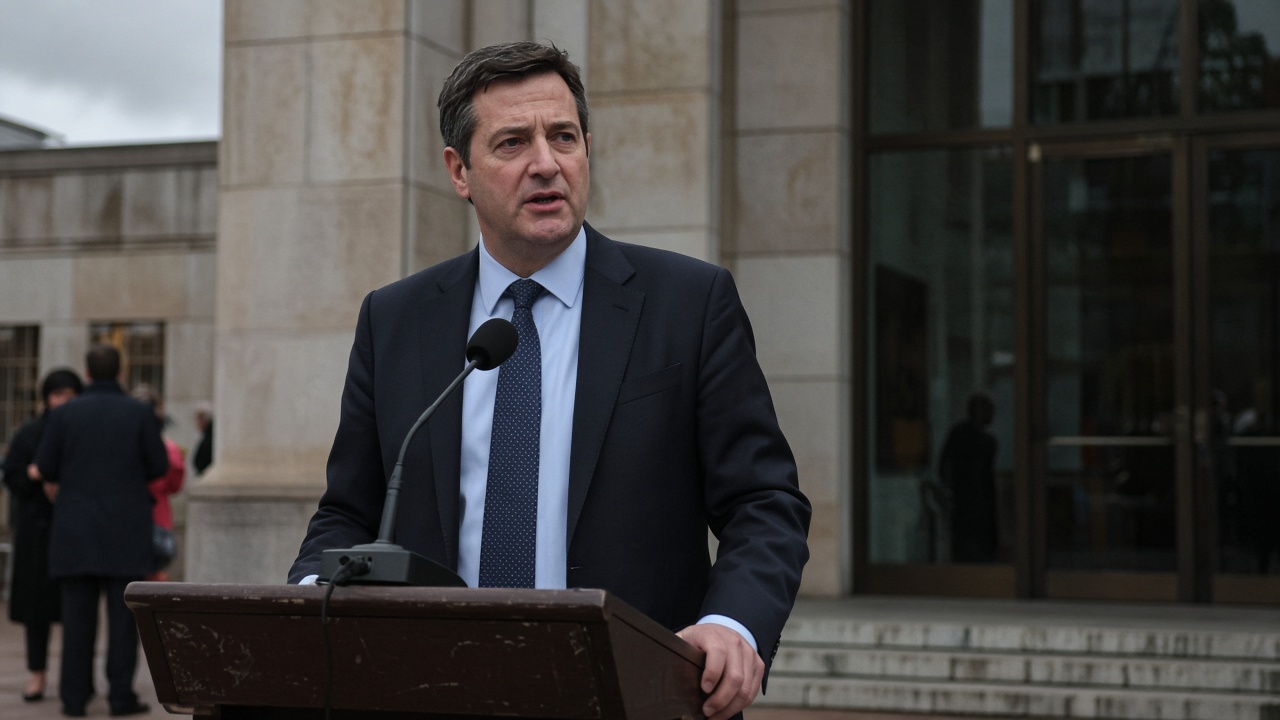
Senator Larissa Waters has resigned as leader of the Australian Greens, telling colleagues that a long-managed kidney disease has worsened and that the party needs a healthy figurehead before the next federal election.
Virtual partyroom decision
Waters notified the Greens in a virtual meeting on Monday evening, the ABC reported. The 49-year-old Queensland senator said she was “really sad” that illness cut her tenure short but that she must slow down to focus on treatment.
“It has been a tremendous honour to be leader of the Greens, fighting for people and the planet,” she said in a statement released through the party. Waters will take medical leave but intends to return to the Senate when doctors clear her.
Short tenure after Bandt loss
Waters became leader in May 2025 after Adam Bandt lost his Melbourne seat at the election, winning a partyroom ballot against deputy Mehreen Faruqi and Senate business manager Sarah Hanson-Young. Faruqi remains deputy; Hanson-Young continues to manage Senate business.
The ABC reported that a leadership meeting will be held in coming days, with a decision expected quickly rather than after the parliamentary break. Waters is the second-longest-serving Greens senator after Hanson-Young, having first entered the chamber in 2010.
Policy fights under her leadership
Waters pointed to November 2025 amendments to national environment laws as a signature win, including tighter land-clearing controls and limits on fast-tracking coal and gas under national-interest exemptions. The Greens also split gun-safety measures from hate-speech legislation after the Bondi Beach attack, helping pass firearms changes in January.
More recently the party used its Senate balance-of-power to delay National Disability Insurance Scheme reform bills and secured an extended inquiry into the government’s sweeping NDIS overhaul. Those fights strained relations with Labor even as the minor party kept climate and social policy on the front page.
What happens next
Acting leadership conventions will govern media appearances until the partyroom vote. Faruqi is widely discussed as a successor, though Hanson-Young and lower-house MPs may also nominate. For Labor, Waters’ exit removes a familiar negotiator at a moment when the government is defending inflation data ahead of a Reserve Bank decision and preparing for Wednesday’s consumer price release.
Waters said the movement “needs a leader in good health to lead us to success at the next election.” Whoever takes the role inherits both the Senate balance-of-power and the expectation that Greens voters will accept another rapid leadership transition after the shock of Bandt’s defeat last year.