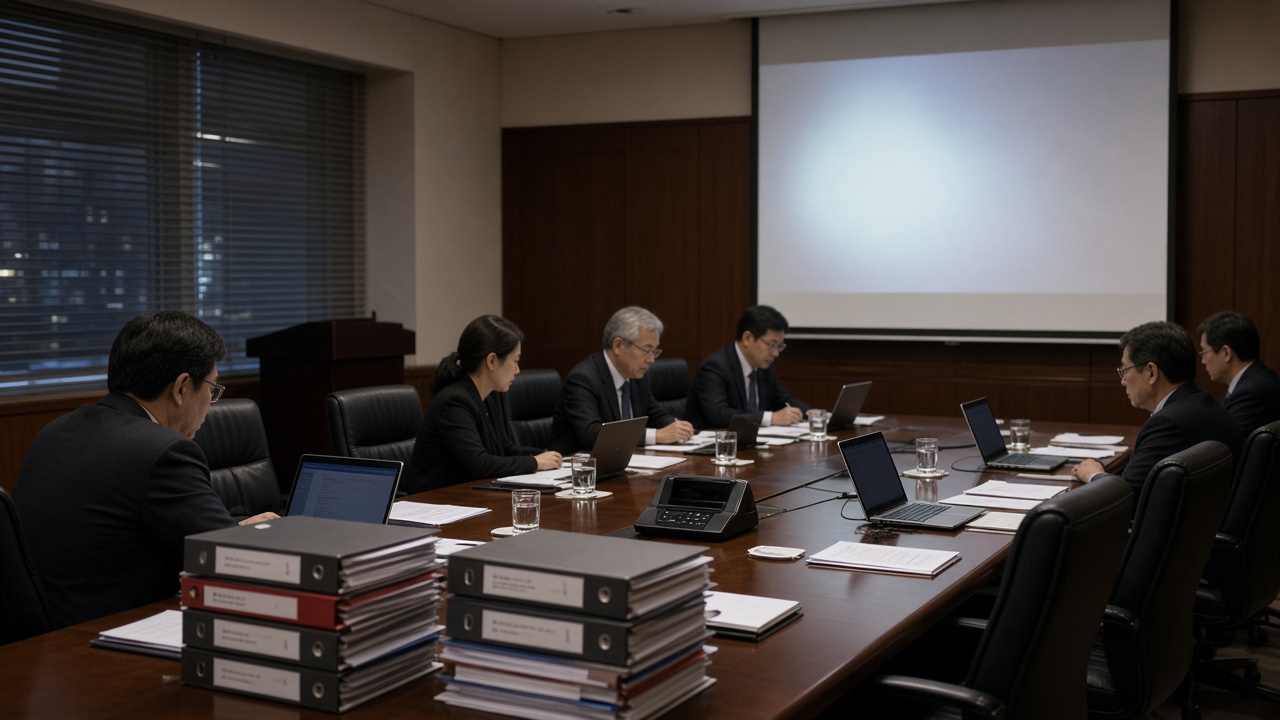
The Ministry of Science and ICT launched a Korea–Mexico AI standards desk on Monday to translate summit digital MOUs into shared testing checklists for public-sector chatbots, biometric gate pilots, and procurement clauses—stopping short of joint model training that would trigger export-control reviews. The desk sits in MSIT’s Gwacheon campus with a mirrored liaison team in Mexico City’s digital ministry, giving regulators a weekly channel as both governments pitch AI cooperation to investors.
Mandate and limits
Officials said the desk will harmonize disclosure labels when agencies deploy large-language-model assistants, align red-team reporting formats, and catalog which datasets may leave national jurisdiction. It will not host shared GPU clusters or citizen PII repositories; those remain forbidden without separate treaties. MSIT framed the work as “trust infrastructure” that lets Korean cloud vendors bid on Mexican municipal projects without reinventing compliance packets each tender.
The launch follows Lee–Sheinbaum MOUs that mentioned AI alongside aerospace and energy. Yonhap noted Mexico’s interest in Korean e-government stacks used during pandemic contact tracing, adapted now for fraud hotlines that field Spanish and Korean queries.
Link to financial regulators
Financial Services Commission observers join monthly calls because payment chatbots and insurance FNOL bots are the highest-risk deployments. Korea’s frontier-AI panel recently ordered emergency payment-gateway inspections after domestic card leaks; MSIT said Mexican peers want similar audit templates before QR transit bots go live in Mexico City’s metro expansions.
Domestic startups hoped the desk would fast-track joint ventures; MSIT cautioned that commercial deals still need corporate registrations and antitrust clearance. The desk’s first deliverable is a bilingual procurement appendix listing prohibited uses—political micro-targeting, covert profiling in welfare queues—rather than revenue guarantees.
Global positioning
OECD AI policy trackers list both countries as middle-power standard setters uncomfortable with U.S.–China bifurcation. Korea pitches Naver and Kakao enterprise clouds; Mexico pitches Spanish-language open data for agricultural advisories. Shared standards could let a Korean vendor pass Mexican conformity tests without duplicate six-month pilots, lowering cost for mid-size cities that cannot afford Silicon Valley integrators.
Civil society groups asked for public comment periods before standards become mandatory; MSIT promised a November webinar series with universities in Seoul and Monterrey. Privacy advocates want clarity on whether Mexican citizen data processed on Korean clouds counts as export; lawyers said the desk will publish non-binding guidance, not statutes.
Industry reaction
Cloud majors welcomed template harmonization but warned that local telecom incumbents may still require in-country keys. A Seoul SaaS CEO said the desk is most useful for explainability dashboards bureaucrats understand, not for cutting-edge model benchmarks. Investors treated the announcement as soft diplomacy with long monetization tails.
For Korean readers, the desk is evidence that AI summit language is acquiring staff emails and meeting minutes—not just photo ops. Whether it speeds contracts depends on procurement officers actually citing the appendices when RFPs drop later this autumn.
Next milestones
MSIT will publish a joint glossary of testing terms by November and run a sandbox exchange where Mexican and Korean agencies pilot fraud-detection bots on synthetic transaction logs. Failure to meet those dates would signal the desk is ceremonial; meeting them would give Korean vendors a reference number to cite in bids.
Vendor and university roles
KAIST and UNAM researchers may co-chair technical working groups on bias testing for Spanish-Korean bilingual bots, though MSIT said grants remain separate to avoid cross-border data transfers. Naver Cloud and KT cloud units submitted white papers on logging architectures that satisfy both countries’ privacy officers; winners get non-exclusive reference status, not sole-source contracts.
Opposition lawmakers asked whether the desk duplicates OECD forums Korea already attends; MSIT answered that bilateral desks move faster on procurement templates OECD members resist binding. Startup founders wanted visa-fast-track promises; officials said immigration policy sits outside the desk’s charter, disappointing some AI trade-show delegations returning from Mexico City.
MSIT staff will host a Thursday webinar for municipal CIOs comparing Korean and Mexican chatbot incident-report forms, the first public deliverable with a calendar date attached. Missing that webinar would signal the desk is still symbolic; hitting it would give procurement officers a slide deck to cite when RFPs drop this autumn.