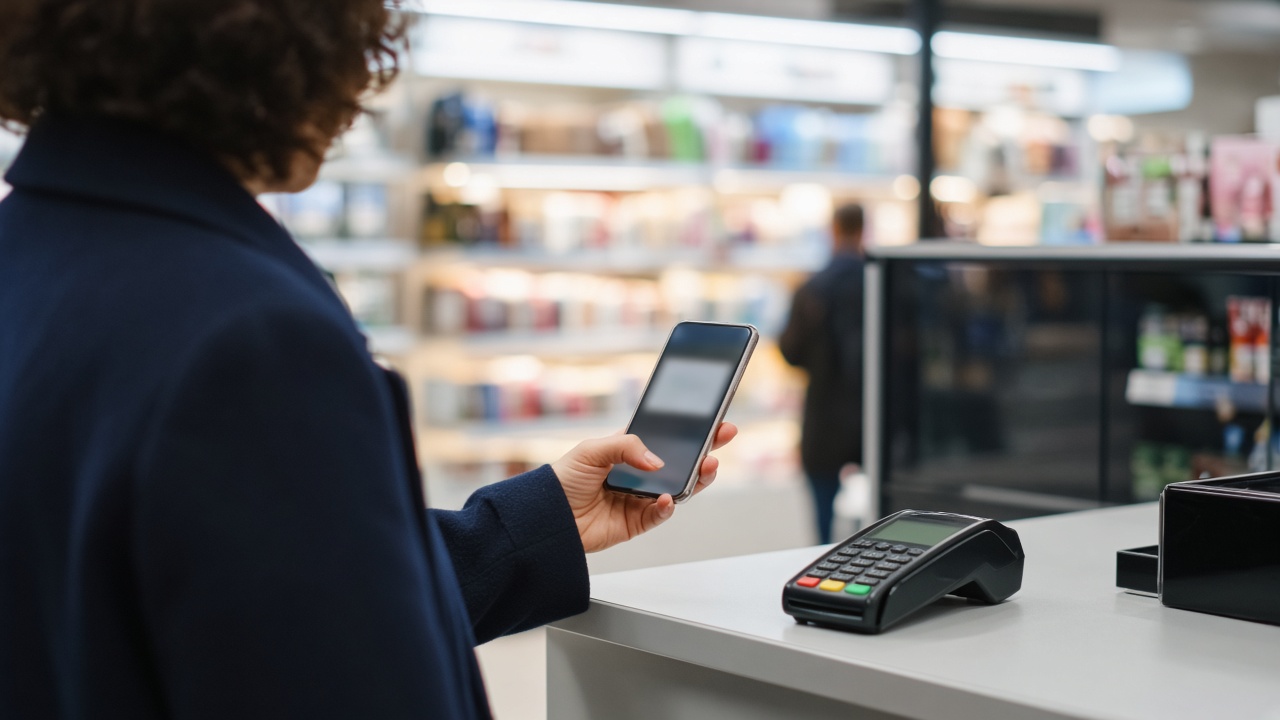
Shinhan Card Co. rolled out stricter push notifications for overseas QR and contactless charges on Monday after regulators said voice-phishing complaints spiked during Chuseok, when families traveling abroad or shopping at airport duty-free lanes are easier prey for fake bank-refund texts. The issuer now pings cardholders when a foreign QR payment exceeds preset thresholds or when a merchant category code shifts from transit to jewelry within minutes—a pattern fraud units said mimics mule laundering.
What changed in the app
Starting before lunch in Seoul, Shinhan’s mobile app began requiring a second tap to confirm any overseas contactless charge above 300,000 won, down from 500,000 won previously, and added English-language fraud tips on the confirmation sheet. Customers can still disable alerts, but Shinhan said default settings will reset to “high sensitivity” for users who reported phishing contacts in the past twelve months.
The Financial Supervisory Service told reporters that reported voice-phishing losses linked to impersonated card security centers rose during the holiday week, although consolidated numbers will not publish until October. Shinhan’s move is issuer-specific, yet other banks are expected to mirror alert tiers ahead of an October refund law that forces faster reversals on certain scam transfers.
Holiday fraud patterns
Fraudsters timed SMS blasts for highway rest-stop hours when drivers briefly check phones, and for duty-free queues where travelers assume payment hiccups are normal. Gyeonggi police said several cases involved QR stickers swapped at pop-up stalls near expressway service areas; Shinhan’s new alerts flag when a QR payment geo-locates far from the cardholder’s last domestic swipe.
Consumer groups welcomed louder alerts but warned that elderly users may approve legitimate family purchases if children travel first. Shinhan said it will offer call-back verification through its official hotline rather than numbers embedded in texts—a recurring scam tell.
Regulatory backdrop
The October voice-phishing refund framework requires banks to freeze suspicious foreign-currency accounts faster; card issuers must align chargeback workflows so merchants are not stuck holding goods when accounts are frozen mid-settlement. Shinhan’s QR rules are a front-end complement, not a substitute for backend freezes FSS inspectors will audit next month.
Korea Financial Telecommunications & Clearings Institute data show overseas QR volume jumped since Japan and Southeast Asia tourism recovered, giving fraud teams larger attack surfaces. Shinhan said it shares hashed merchant identifiers with peer issuers when a QR sticker compromise is confirmed, a practice FSS encouraged after the Toss Payments leak hearings.
What cardholders should do
Travelers returning Monday should scroll notification histories for unfamiliar overseas authorizations before monthly statements close, especially on supplementary family cards used during hometown visits. Shinhan will waive first-dispute fees on confirmed phishing cases filed within forty-eight hours of push alerts, matching a voluntary industry pledge announced last quarter.
For Seoul commuters who never left the country, the lesson is the same: a refund text that cites a card security center is not proof the bank sent it. Shinhan’s louder pings are meant to break autopilot taps, not to replace skepticism when a stranger demands OTP codes over the phone.
Competitive response
KB Kookmin and Hyundai Card told the Korea Herald they are testing similar geo-fencing rules for overseas QR, with rollout targets before the year-end travel peak. Merchants worry that extra confirmation steps will slow duty-free lines; Shinhan said average checkout delay in pilots stayed under four seconds when customers pre-enabled biometric approval.
Settlement and chargeback mechanics
Behind the push alerts sits a reworked chargeback queue that tags overseas QR merchants with higher fraud scores when Shinhan sees mismatched device fingerprints. Dispute analysts said holiday-week cases often involve criminals who clone QR stickers at tourist markets; the bank now auto-blocks repeat scans from the same static QR when the cardholder’s phone remains in Korea. Merchants with legitimate Korean tour groups abroad can whitelist itineraries through corporate travel desks, a workaround large chaebol travel agencies requested after pilot complaints.
FSS examiners will review whether alert fatigue causes users to tap through warnings without reading, a behavior researchers documented in SMS two-factor studies. Shinhan plans A/B tests on copy length and vibration patterns, sharing anonymized results with the clearing institute so smaller issuers do not reinvent the wheel. For now, the bank’s message is blunt: louder pings beat silent fraud losses when billions of won move through QR rails each Chuseok.