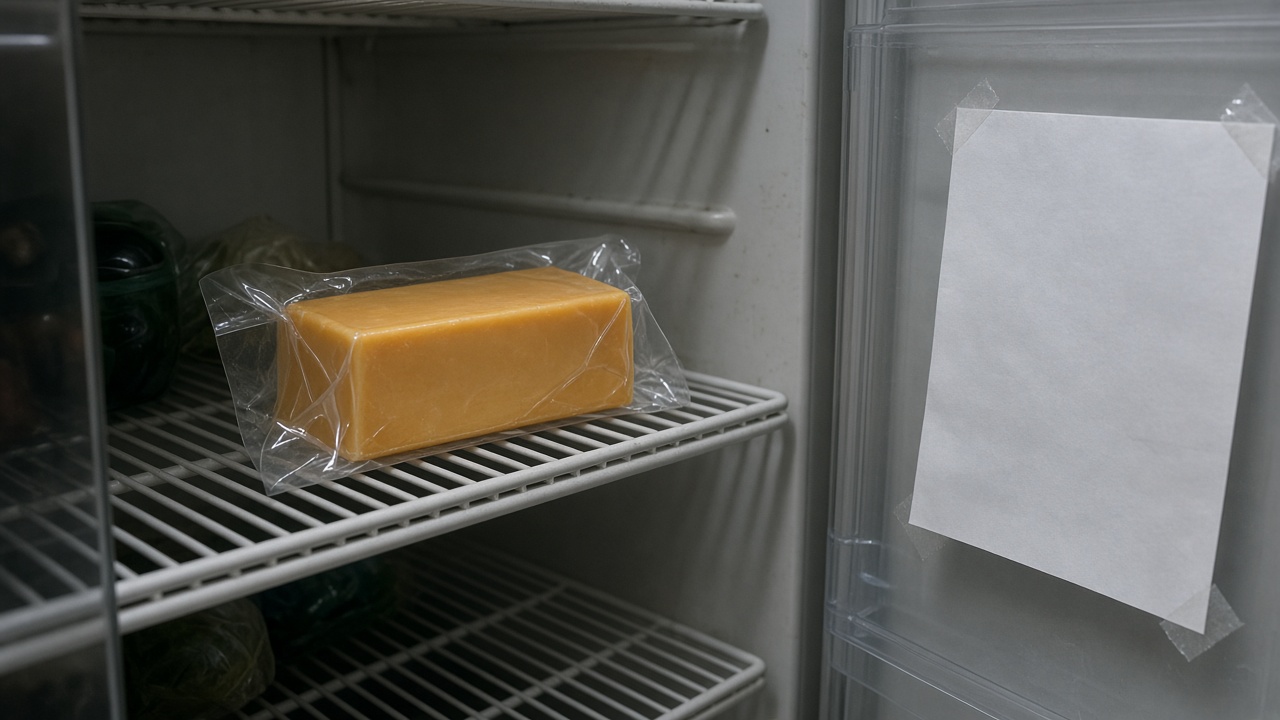
Federal investigators linked Sierra Nevada Graziers grass-fed raw milk cheeses to a multistate E. coli O26:H11 outbreak that sickened 13 people, hospitalized eight, and caused three cases of hemolytic uremic syndrome, prompting a nationwide recall of every lot sold at retail and to food service.
Products to pull from kitchens
The Food and Drug Administration says consumers should not eat, sell, or serve medium cheddar, sharp cheddar, jalapeño jack, or Monterey jack varieties sold under the Graziers line in 8-ounce or 16-ounce retail packages or 5-pound food-service loaves. Sierra Nevada Cheese Company agreed to recall all raw milk cheeses on September 24 after state partners matched patient interviews to the brand.
Cases appeared in California, Colorado, Georgia, Kentucky, Michigan, Nevada, Oregon, Tennessee, and Utah. More than half of victims were children age five or younger, according to outbreak summaries compiled by food safety trackers.
Symptoms and when to call a doctor
E. coli O26 can cause severe stomach cramps, diarrhea, and vomiting. Hemolytic uremic syndrome—a complication that damages kidneys—shows up as decreased urination, extreme fatigue, and pale skin. Seek emergency care if a child stops urinating or if diarrhea turns bloody after eating recalled cheese.
Freezing does not reliably kill the bacteria. Restaurants that received 5-pound loaves should check walk-ins and prep logs even if retail stickers were removed.
Refund and documentation steps
Return recalled product to the store for a refund and keep receipts if you pursue medical expense records. Photograph lot codes if visible before disposal. Health departments may ask for leftover product for testing.
Retailers must pull remaining stock; consumers should not taste “just a little” to see if cheese seems fine. Raw milk cheeses skip the pasteurization step that kills many pathogens, which is why regulators treat recalls as zero-tolerance events.
Broader lesson for shoppers
Outbreak investigations continue to trace whether contamination entered milk sourcing or processing lines. Until the FDA closes the investigation, choose pasteurized cheeses for young children, pregnant people, and immunocompromised household members even if other raw milk products remain on shelves from different brands.
Sign up for FDA recall emails or follow your state health department alerts—speed matters when multiple varieties share the same production line.
Restaurant and deli operators
Chefs who grated Graziers cheddar into salads or mac-and-cheese should discard prepared items and sanitize boards. Health inspectors will ask for supplier invoices tracing back to the recall notice. Food-service distributors should have sent stop-sale alerts; if yours did not, contact the distributor compliance desk and quarantine similar raw milk SKUs until cleared.
Parents packing school lunches should check any pre-wrapped cheese sticks sourced from deli counters that repackage bulk loaves.
How investigators trace outbreaks
State labs upload pathogen genomes to national databases so cases hundreds of miles apart link to one supplier. Patient interviews about brand and purchase location narrow the field before FDA swabs processing equipment. The investigation remains open; additional products could be implicated if tests find matching strains elsewhere.
Pasteurized cheeses from the same company are not covered by this recall, but shoppers who prefer zero raw-milk risk can read labels for the word “pasteurized” in the ingredient line.
Symptom onset can take up to ten days after exposure, so families who ate recalled cheese last week should monitor children closely even after discarding product. Clinicians can order stool tests that differentiate E. coli strains, which helps public health agencies link additional cases to the outbreak cluster.
Food banks that accepted donated specialty cheeses should quarantine Graziers donations received in August and September until state partners confirm safe alternatives. Volunteers handling dry goods nearby should wash hands before sorting other products to avoid cross-contamination from recalled packaging surfaces.
State health departments in affected states publish outbreak maps updated weekly; bookmark your state portal if you purchased artisanal cheese at farmers markets where Graziers was sold under alternate labels. Market managers should confirm vendor sourcing logs to ensure recalled loaves are not still on display tables.