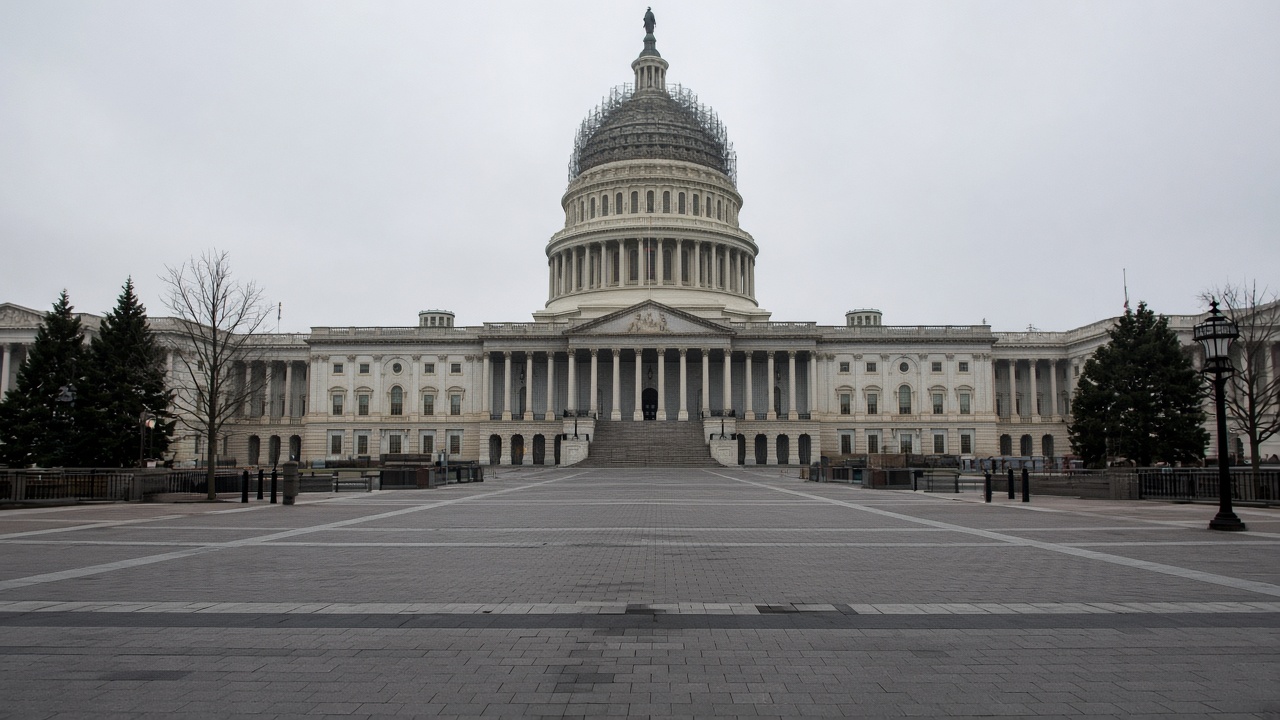
The U.S. House cleared a stopgap spending bill on September 1, 2026, that keeps federal agencies funded through December 11, avoiding a shutdown at the September 30 fiscal year end while punting full-year budgets until after the November midterm elections.
What the continuing resolution does
The Senate passed the measure in August before its recess. The House adopted it under suspension of the rules, a procedure that requires a two-thirds majority and forced bipartisan support in a narrowly divided chamber. Only 19 Republicans and 29 Democrats voted no, according to Reuters and CNBC tallies.
The bill extends current spending levels rather than finishing any of the 12 annual appropriations bills that fund defense, homeland security, housing, and energy programs for fiscal 2027. Agencies continue operating, but new initiatives that need fresh money wait unless agencies can reprogram existing accounts.
Who feels it on payday and in services
Federal employees and contractors avoid the furloughs that hit during earlier partial shutdowns in this Congress. Military pay, Social Security checks, and Medicare claims processing continue on schedule because those programs carry mandatory funding or advance appropriations. National parks stay open, though hiring freezes tied to earlier funding fights can still slow seasonal staffing.
Grant-dependent state programs may see slower reimbursements if agencies pause new obligations while running on autopilot. Small businesses bidding on new federal contracts could wait until December negotiators settle line-item disputes over defense and domestic spending.
Politics driving the timeline
Leadership in both parties wanted to leave Washington for campaign season. Polling heading into the midterms showed Democrats favored to retake the House while Republicans defend a narrow Senate majority. Neither side wanted a shutdown headline weeks before voters cast ballots.
Hard-line Republicans objected that the stopgap lacks policy riders they sought on border and spending cuts, but their numbers were insufficient without Democratic votes under suspension rules.
What happens after December 11
If negotiators fail again, another cliff arrives in mid-December, this time with a lame-duck session and possible leadership changes depending on election results. Federal workers should keep at least two weeks of expenses liquid, and beneficiaries should ignore scam calls claiming benefits will stop because of “shutdown”—official notices arrive by mail from identifiable .gov addresses, not gift-card demands.
Watch Office of Personnel Management guidance for pay tables if December talks stall. The immediate win is continuity through Election Day; the open question is whether a post-election Congress can pass full-year bills or repeats the stopgap cycle.
Programs that keep running versus those that stall
Head Start grants, rural housing loans, and some biomedical research awards often pause new obligational authority under continuing resolutions even when existing projects continue. Universities monitoring federal indirect cost rates should read Office of Management and Budget memos for CR-specific caps. Defense contractors with multiyear shipbuilding contracts generally stay funded, but new start programs listed in unfinalized appropriations bills wait.
Passport and TSA operations funded through fee accounts face fewer disruptions than purely appropriated lines, though hiring timelines can still slip when HR offices expect a full-year budget that never arrives.
State and local budget offices
Governors use quarterly calls with congressional delegations to flag highway formula funds stuck in CR limbo. Infrastructure law dollars with separate authorization continue, but discretionary supplements tied to annual bills may delay bridge inspections. Municipal finance directors should not assume a December deal will retroactively cover October shortfalls without explicit language.
Veterans Affairs medical appointments funded through advance appropriations generally stay on schedule, but new community care authorizations can slow when regional offices wait for full-year policy guidance. Call center hold times often rise when CR confusion spreads on social media—verify information on agency websites before sharing shutdown rumors.
Student aid disbursements tied to mandatory funding continue, but new grant competitions listed in pending appropriations tables may not open until Congress passes full-year numbers. College bursars typically email students if packaging delays appear—watch .edu inboxes rather than third-party rumor accounts.