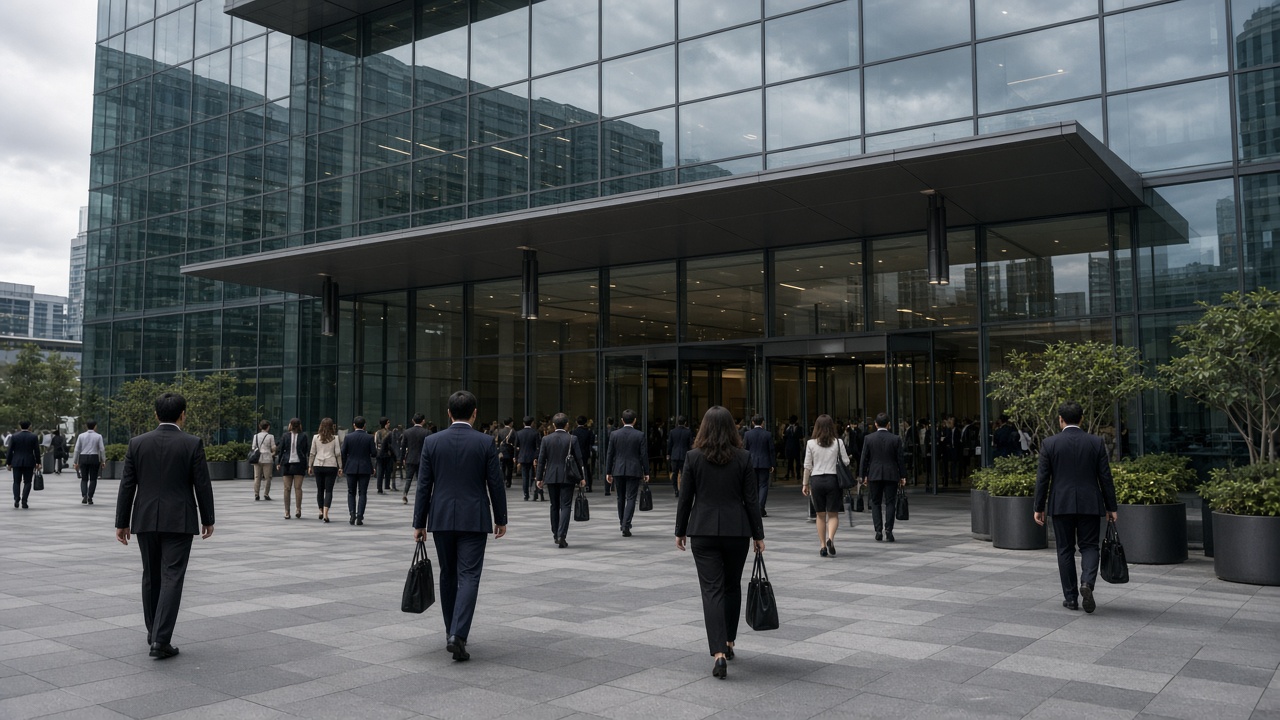
SuperReturn Asia opened on Monday at Marina Bay Sands, kicking off four days of private-markets meetings that organisers say will bring more than 2,500 attendees from over 50 countries to Singapore. The conference is the anchor event in a September cluster that includes FundForum Asia and family-office summits, giving local fund administrators, law firms and the Monetary Authority of Singapore a concentrated window to pitch the city as a deployment hub for capital leaving slower-growth markets.
Who is in the room
Informa Connect markets SuperReturn as the largest private-equity gathering in Asia by meeting volume, with more than 75,000 pre-scheduled one-on-ones on the booking system. Limited partners on the published invite list include sovereign wealth names that already maintain Singapore offices, alongside Middle Eastern and North American pension funds scouting co-investment deals in data centres, healthcare platforms and mid-market buyouts across ASEAN.
General partners are pitching continuation funds and secondary sales as the liquidity release valve for portfolios stuck in a higher-rate world. Several panels on 28 September focus on turning paper marks into cash distributions — a theme Cambridge Associates flagged ahead of the event for both LPs and GPs trying to keep beneficiaries satisfied without fire-selling assets.
Why Singapore wins the calendar slot
Singapore’s appeal is operational as much as financial. Funds already domicile feeder vehicles here to tap the Variable Capital Companies regime, and service providers can stitch together banking, legal and tax opinions within a single time zone. SuperReturn’s layout this year places seven topical summits around a central networking hub so a family-office chief can walk from a private-credit session to a GP fundraising roundtable without leaving the convention level.
MAS used the run-up to the conference season to remind firms that tokenisation and AI governance remain on its agenda, but SuperReturn’s floor talk is overwhelmingly about dollars and exits. Several Temasek-backed managers are hosting side meetings off the main stage, while local banks are staffing suites to discuss subscription lines and FX hedging for funds bidding on Indonesian consumer names or Indian renewables platforms.
Local spillovers
Hotels around Bayfront and the CBD reported near-full occupancy for the week, and ride-hailing surcharges typically appear when delegate badges flood the promenade at lunch. For Singaporean finance professionals, the event is a hiring signal as much as a market signal: recruiters circulate CVs for IR roles that must speak both Mandarin and Bahasa Indonesia, and compliance officers fluent in MAS notice 626 are in short supply.
Not every conversation ends in a deal. LPs are still demanding fee breaks and tighter co-invest rights before re-upping to flagship funds. Yet the city’s ability to host the week without travel restrictions or currency controls is itself a competitive advantage over Hong Kong or Tokyo for funds balancing China exposure with Southeast Asia growth.
What comes after Monday
FundForum Asia and a dedicated family-office day follow later in the week, extending the private-wealth dialogue beyond buyout giants. For retail investors in Singapore, the conference is distant from daily CPF statements, but the themes matter: when GPs finally distribute, some of that cash finds its way into local real estate, venture secondaries and philanthropy vehicles here.
SuperReturn runs through 1 October. By then, delegates will know whether 2026’s liquidity crunch is easing — or whether Singapore’s conference halls are simply where the industry meets to compare notes on a prolonged hold period.