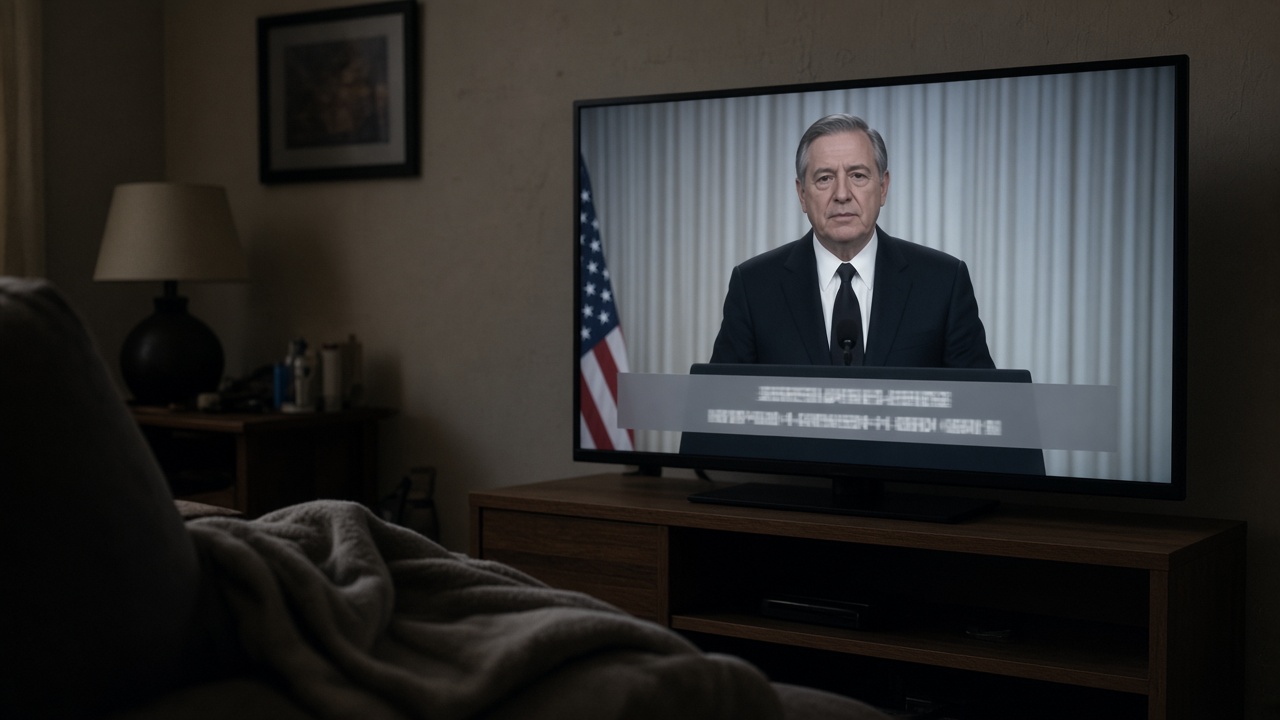
Three taxpayer-funded television advertisements featuring President Donald Trump are drawing bipartisan criticism and renewed legal debate about whether federal agencies may use public money to promote the sitting president just weeks before the November midterm elections.
The spots, which have aired nationally and end with the disclaimer “Paid for by the U.S. Government,” celebrate themes the White House describes as civic messaging, including a “golden age of America” and, in one case, a chorus repeating “love me” over footage of federal programs. Ethics specialists and members of Congress from both parties told reporters the campaign sits uncomfortably close to prohibited political activity at a moment when control of the House and Senate is on the ballot.
What the ads say and who paid
Reuters reported on Sunday that the trio of ads has been broadcast on national television with production and placement costs borne by federal agencies rather than campaign committees. Because the disclaimer attributes payment to the government itself, viewers are not told which department funded a given spot, a detail watchdog groups say obscures accountability.
The White House has defended the advertisements as public-service announcements meant to highlight administration accomplishments and patriotic themes, not to solicit votes. Critics counter that the president’s sustained on-screen presence, the timing five weeks before Election Day, and the celebratory tone mirror the creative choices of partisan media buys.
Hatch Act and appropriations boundaries
Federal employees are generally barred under the Hatch Act from using their official authority to influence elections, and agencies face long-standing restrictions on using appropriated dollars for publicity that could be construed as electoral advocacy. Government-ethics attorneys interviewed by news organizations said the line between informing the public and promoting a candidate is judged partly on content, context, and whether a reasonable viewer would link the message to a campaign.
Republican and Democratic lawmakers have raised parallel concerns: some argue the ads amount to taxpayer-funded image-making for the incumbent, while others have asked inspectors general or committee chairs to document which accounts were charged and whether career officials signed off. No formal enforcement action had been announced as of Sunday evening, but the scrutiny itself could chill similar placements in the closing weeks of the cycle.
Midterm stakes and what comes next
With the House out of session until after the election and spending fights already looming for fiscal 2027, the ad dispute arrives as both parties test messages on inflation, foreign policy, and executive power. Campaign-finance lawyers said complaints could take multiple paths—Hatch Act referrals, appropriations hearings, or civil suits alleging misuse of funds—each with different timelines that may extend beyond November.
For voters, the immediate question is simpler: whether spots that look and sound like political television should carry a government disclaimer in the final month of a national election. Until agencies release a full accounting of costs, airtime contracts, and legal reviews, the answer will remain contested in public even if regulators stay silent.