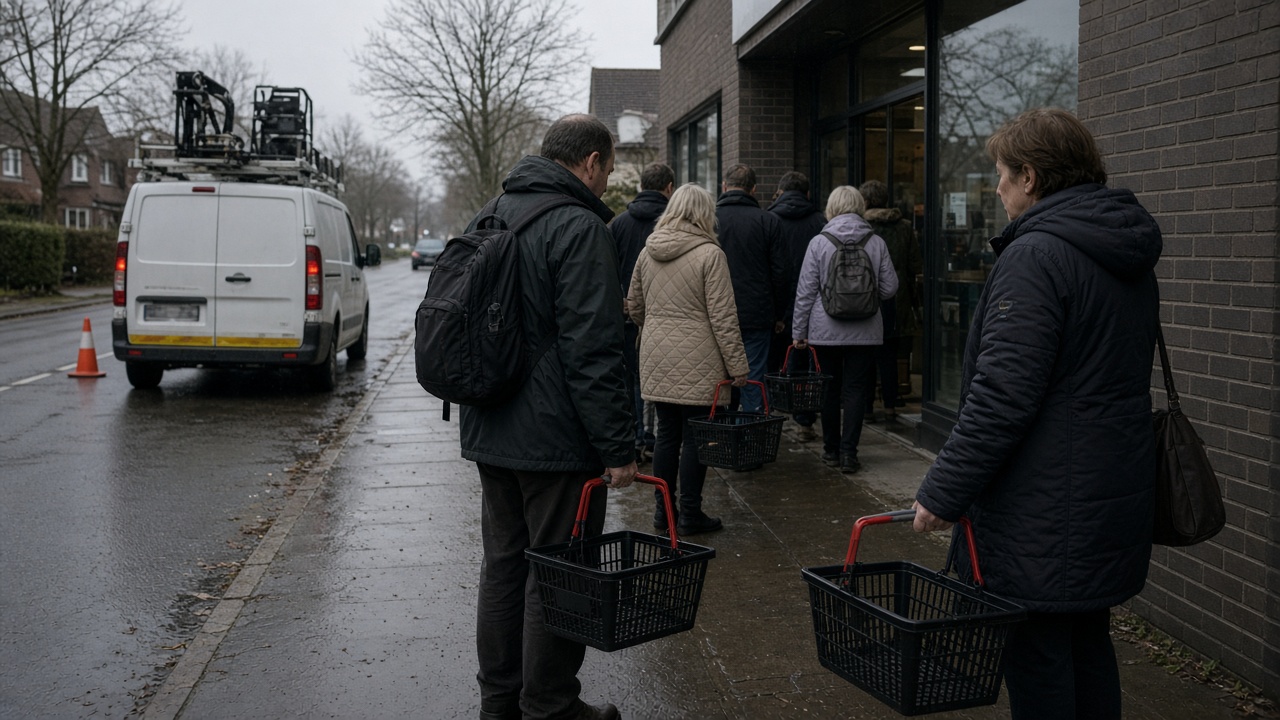
Thousands of households across southwest London and parts of Surrey woke on Monday to dry taps after Thames Water reported a major supply failure. The company first posted an alert at 6:45 a.m. BST, saying customers in Kingston upon Thames, Merton, Richmond upon Thames, Sutton and Wandsworth—and stretches of northern Surrey—could have no water or very low pressure.
By mid-morning engineers said they had located a burst on the network, though they had not yet restored full pressure. A spokesperson apologised and promised updates on the company’s incident page, with the next scheduled bulletin set for 9:45 a.m.
Postcodes caught in the outage map
Thames Water listed 18 postcode districts that might be affected, spanning CR4, the KT series from Kingston through Thames Ditton, SM4, SW16 through SW20, and TW10 and TW16. The footprint covers commuter towns such as Surbiton and Esher as well as dense SW postcodes around Wimbledon and Tooting.
Surrey County Councillor Steve Bax said on social media that Molesey, Walton and Thames Ditton were among the hardest-hit areas, with residents queuing at supermarkets for bottled water. He said he had alerted county officials and would post repair timelines as engineers shared them.
Schools shut as parents scramble for supplies
The BBC reported that Long Ditton Infant and Nursery School and Thames Ditton Infant School closed their doors because of the outage, which was first reported to some residents around 5:15 a.m. Parents in group chats shared photos of empty shelves at local Tesco stores where staff rationed bottled water.
Thames Water’s own guidance says it aims to restore supply within 12 hours for many bursts but warns that “major incidents” in busy streets can take longer when crews must dig around other utilities. The company has been under special measures since Ofwat’s turnaround period began, meaning every unplanned outage draws scrutiny from regulators as well as customers.
What residents should expect next
Until pressure returns, households should avoid running boilers or electric showers that depend on mains flow, and schools will need confirmation that toilets and kitchens are usable before reopening. Councils in Kingston and Elmbridge typically coordinate with Thames Water to deliver bottled water to vulnerable residents if an outage exceeds 12 hours, though no bulk distribution had been announced by late morning.
Engineers on site must repair the main, flush the network and test chlorine levels before lifting the advisory. Residents who see discoloured water after supply returns are advised to run taps until the flow clears.
For now the story is local but disruptive: a Monday-morning commute colliding with empty kettles, closed primary schools and another reputational hit for a utility already negotiating fines over sewage spills. The measure of success will be simple—whether taps run reliably again before the evening rush.