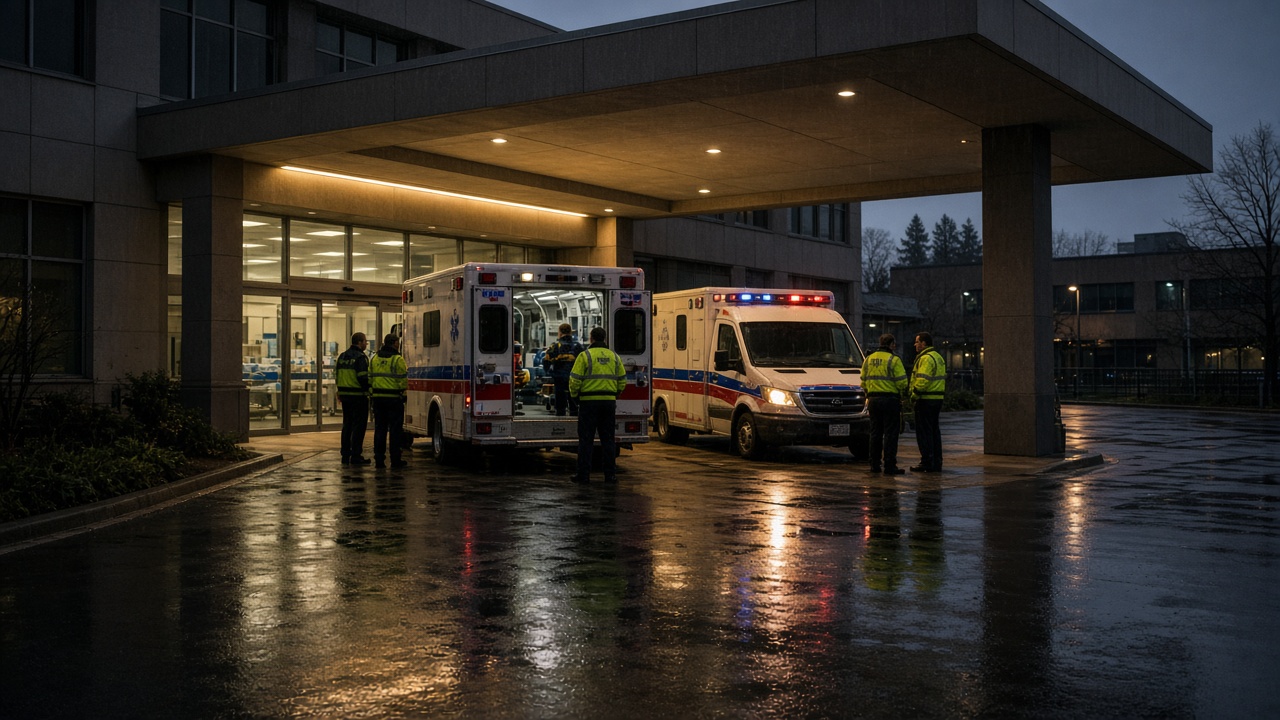
UK Health Security Agency officials issued a regional cold weather alert for parts of northern England and Scotland as NHS trusts rehearsed winter escalation protocols that coordinate ambulance handovers, discharge lounges, and flu vaccination throughput before overnight temperatures dip below freezing.
Why alerts arrive in September
UKHSA triggers alerts when Met Office forecasts predict health risks for vulnerable over-65s and people with chronic lung disease. Early alerts give councils time to activate severe weather shelters and check on social-care packages. Hospitals use the same signal to staff extra bed managers on nights when respiratory admissions historically spike.
A&E pressure points
Trusts in Greater Manchester and the North East told regional teams they will open same-day emergency care centres adjacent to major emergency departments to filter minor injuries. Ambulance crews face fines under NHS England targets if handovers exceed 30 minutes; cold snaps increase fall-related 999 calls. Mental health liaison teams are rostered heavier because shorter daylight correlates with crisis presentations.
Flu overlap
Childhood flu sprays continue in schools while the over-65 pharmacy cohort opens 1 October. Emergency planners worry synchronized peaks when cold air meets influenza B circulation. Trust pharmacists stock oseltamivir caches in line with UKHSA antiviral directives for care homes.
Social care discharge
Community health teams must clear delayed discharges before Christmas; cold weather makes home visits harder when boilers fail. Integrated care boards reactivated grant pools for temporary heating repairs so patients are not kept in hospital solely for inadequate housing heat.
Public advice
UKHSA repeats layered clothing guidance and room heating to 18°C for over-65s. 111 online triage should be first port for non-emergency winter illness; 999 remains for chest pain and stroke symptoms. Vaccination appointments through the NHS App reduce unnecessary A&E visits for mild fever after jabs.
Local authority coordination
Councils in Lancashire and Cumbria activated severe weather emergency protocols that add hostel beds when forecasts show three consecutive nights below zero. UKHSA shares alert levels with NHS 111 call centres so scripts mention hypothermia risks when callers describe inadequate heating. Fire services distribute carbon monoxide leaflets where residents use portable heaters after boiler breakdowns.
Data dashboards
NHS England's urgent emergency care daily sitrep will publish cold-related admission counts from November; September drills ensure IT links work before spikes arrive. Trusts that missed winter targets last year face follow-up visits from regional directors who will check whether escalation plans moved from PDF binders to rota software.
Care home liaison
UKHSA reminded care home managers to pre-book GP visits for flu and COVID boosters before visiting bans return during outbreaks. Ambulance crews prioritise care-home residents when alerts hit level three, so homes must keep resuscitation policies and ceiling lift checks current to avoid transfer delays once patients arrive at hospital doors.