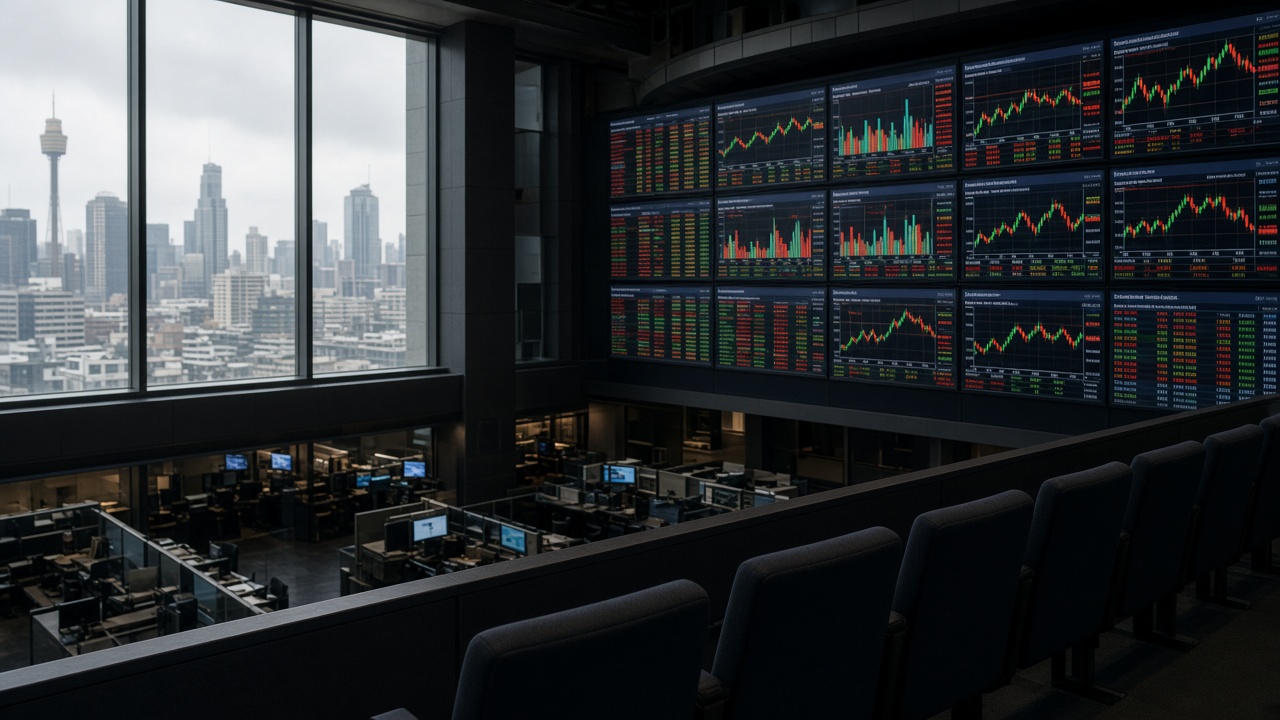
Zip Co led a rebound in ASX technology names on Monday as the S&P/ASX 200 opened higher, with investors rotating toward rate-sensitive growth stocks even as iron ore producers dragged the broader materials subindex lower.
The benchmark index added modest ground in early Sydney trade, supported by CBA and Westpac shares that have already priced much of this week’s expected Reserve Bank move. Beneath the headline number, sector dispersion was the story: BHP and Rio Tinto slipped as Dalian iron ore contracts softened, while Zip, Xero and NEXTDC posted outsized gains as traders bet that a well-telegraphed hike would remove uncertainty rather than shock valuations.
Why Zip moved
Zip’s shares rose more than 4 per cent after the lender reiterated that its Australian receivables book is skewed toward shorter-duration balances that reprice quickly when funding costs rise. Analysts at Macquarie said the stock had been oversold during September’s tech rout, when the ASX 200 technology index fell in tandem with Nasdaq weakness tied to US AI valuations.
Platform wealth managers including Netwealth and Hub24 were mixed, reflecting debate over whether a fourth 2026 rate increase will accelerate flows into cash products or trigger adviser-led de-risking. Tess Harlow’s desk watched ANZ’s economist note from Friday, which maintained a call for a 25-basis-point hike followed by a pause, a path equity strategists said would be “equity-friendly relative to a hawkish surprise.”
Materials split
IGO and Mineral Resources held firmer than the iron ore giants, with traders citing lithium contract rumours out of China that could support Pilbara chemical exporters if confirmed. Gold names were steady as the Australian dollar hovered near recent lows, a combination that flatters locally listed producers’ US-dollar revenues.
Energy stocks tracked Brent crude near recent highs linked to Middle East shipping stress, keeping Woodside and Santos on investors’ watchlists even as utilities lagged. The ASX 200 futures curve implied only a shallow pullback from intraday highs, suggesting positioning rather than a fundamental reassessment of earnings.
Session context
Monday’s trade unfolded hours before the RBA board’s two-day meeting formally began, with staff briefings expected in Martin Place while Chalmers released the final budget outcome in Canberra. Traders said the cross-asset message was consistent: Australian risk assets can absorb a 4.60 per cent cash rate if growth data continue to cool without a sharp rise in unemployment.
By the lunch break, volumes were in line with a typical post-grand-final Monday, with AFL-related consumer names quiet after Brisbane’s Sunday night premiership. For the rest of the session, desks flagged US PCE inflation data later in the week and local August retail trade as the next domestic catalysts once the RBA statement lands on Tuesday afternoon.