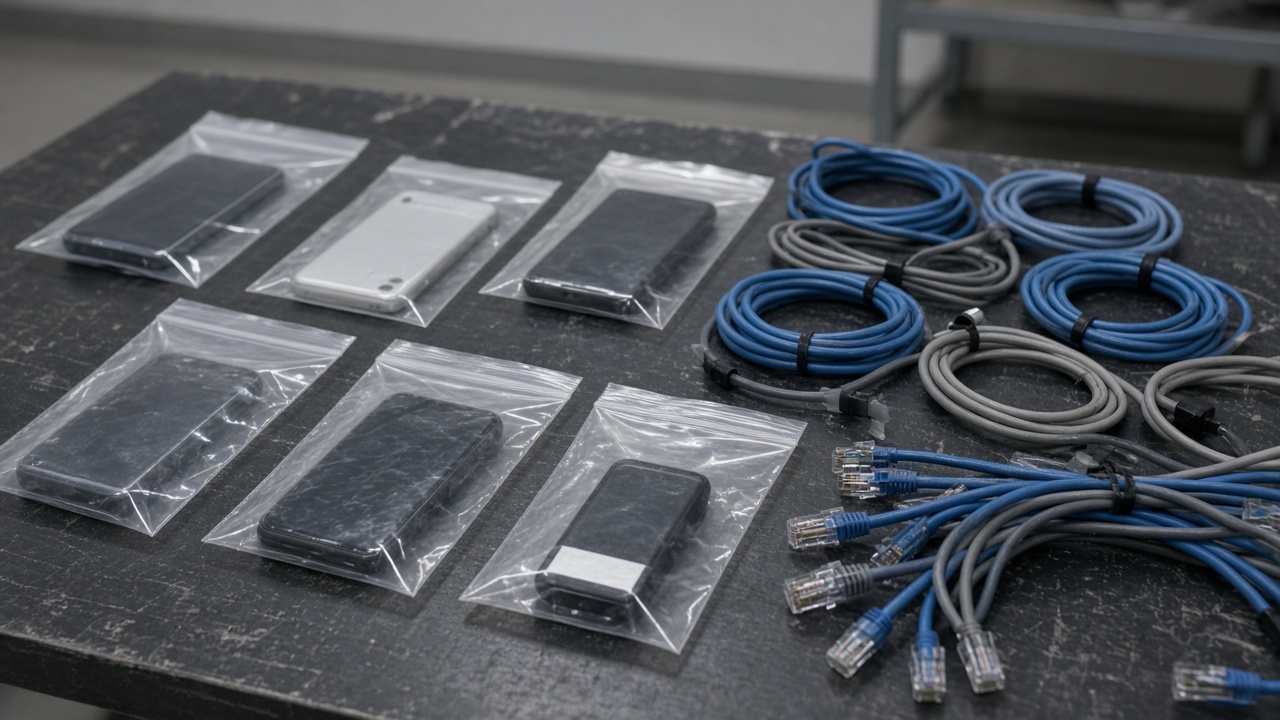
The Australian Federal Police said Tuesday it dismantled a premium-SMS billing ring that pushed A$4.99 weekly charges onto more than 14,000 mobiles by hijacking aggregator APIs used by legitimate marketing firms, according to search warrants executed in Melbourne and Gold Coast suburbs.
Mechanism of the fraud
Investigators allege offenders obtained reseller credentials for a bulk messaging gateway, then scripted subscription prompts that never displayed clear opt-in pages. Charges appeared on carrier bills as innocuous “content service” lines, often below the threshold consumers bother disputing.
When telcos tightened SMS sender ID rules this year, the group pivoted to API-driven billing through smaller MVNO partners, the AFP said. Forensic accountants traced cash-outs through cryptocurrency exchanges after funds passed through shell merchants registered in Southeast Asia.
Industry response
The Australian Communications and Media Authority welcomed the arrests and reiterated upcoming rules requiring double opt-in for commercial SMS billing. Telco lobby group Communications Alliance said carriers would refund identified victims and audit aggregator onboarding processes.
Charges and next steps
Four people face fraud and money-laundering charges, with hearings scheduled in Victorian and Queensland magistrates courts. Police seized laptops, SIM banks and ledgers showing daily sign-up targets for call-centre workers paid per activated subscription.
The case lands as banks and regulators jointly promote the National Anti-Scam Centre’s reporting tools. While most public attention focuses on voice phishing, law enforcement officials said billing-aggregator abuse remains a quiet drain on household budgets and a reputational risk for carriers that pass through third-party charges.
Victim impact and refunds
Telecommunications ombudsman data show billing-related complaints rose last year even as voice-scam reports dominated headlines. The AFP said average victim loss in this ring was modest individually but summed to more than A$2.8 million over eighteen months because charges auto-renewed until users noticed.
Major carriers pledged proactive SMS alerts when new third-party billing relationships attach to accounts. Consumer Action Law Centre welcomed the enforcement action but said regulators should require carriers to block premium billing entirely unless customers opt in through authenticated apps.
Technical indicators
Investigators highlighted reused API keys across multiple reseller accounts as a red flag that aggregators should have caught earlier. The AFP recommended telcos rotate partner credentials quarterly and monitor for sudden spikes in micro-billing activations from single IP ranges.