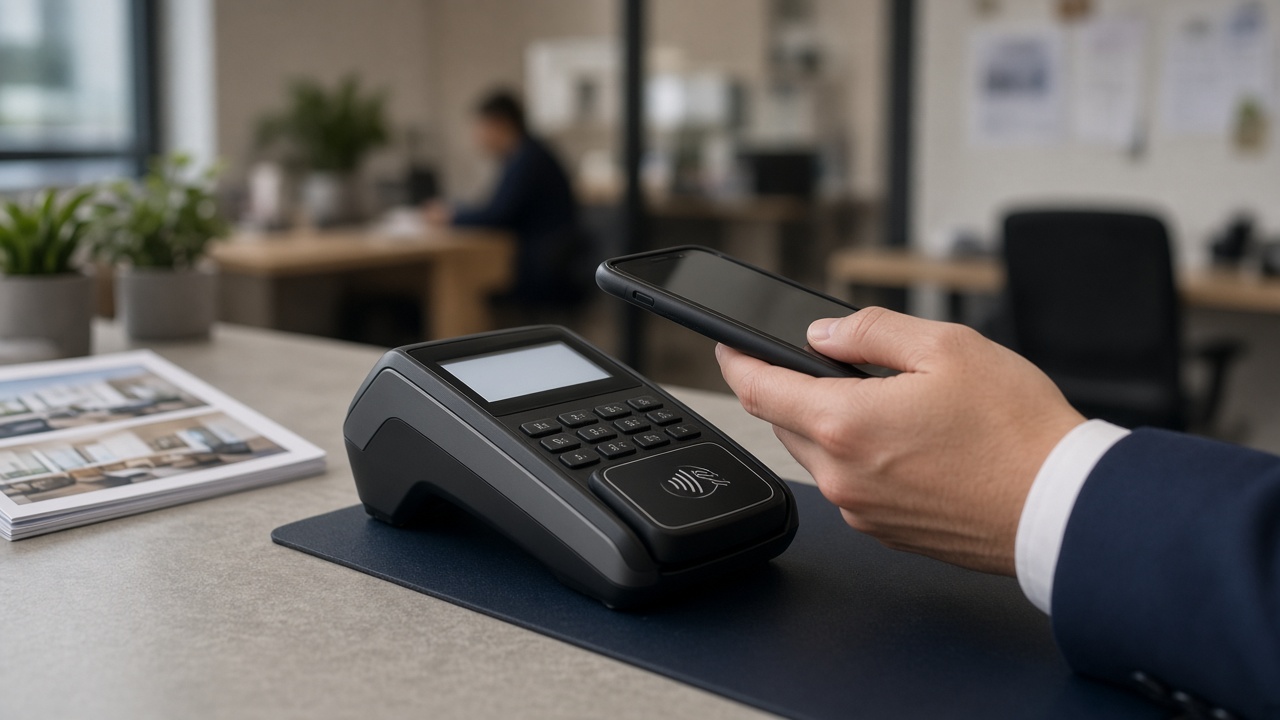
BC Card launched a pilot that requires tap-to-verify card authentication before wiring jeonse lease deposits above 50 million won at participating hybrid real-estate branches, a response to impersonation scams that spiked while families traveled over Chuseok.
How the pilot works
When a tenant initiates a deposit transfer at the counter, the realtor’s BC Card merchant terminal prompts a physical tap or mobile-wallet tap on the payer’s own card. The authorization must match the name on the lease registry entry pulled from the Korea Appraisal Board database. Transfers that fail the match are blocked before funds leave the account.
The trial covers 38 branches in Seoul and Gyeonggi operated by a single hybrid franchise chain. BC Card said it chose jeonse because lump-sum deposits concentrate risk: a single fraudulent wire can wipe out a household’s savings.
Why regulators pushed
The Financial Supervisory Service flagged a rise in voice-phishing cases where criminals posed as landlords or agents during the holiday. Existing app warnings were easy to ignore when buyers rushed to secure flats before the autumn rental season. BC Card’s approach keeps humans in the loop at the counter while adding a hardware step scammers cannot easily spoof.
Consumer groups asked whether elderly tenants without NFC cards would be excluded. BC Card said branches must offer a staffed video verification lane using government digital-ID apps as a fallback.
Other card issuers
Shinhan Card tightened overseas QR alerts last week; KB Kookmin has capped contactless limits for seniors. BC Card’s jeonse focus is narrower but hits a pain point in urban housing. If chargeback rates fall during the eight-week pilot, the Financial Services Commission may recommend industry-wide standards before winter moving season.
Real-estate agents worry about longer closing times. Early data from the pilot show an extra 90 seconds per deposit on average, acceptable for most buyers compared with the weeks spent recovering wired money from mule accounts.
Next steps
BC Card will publish weekly fraud-attempt counts without naming customers. A broader rollout depends on appraisal-board API stability and whether landlords accept slight delays at closings. For now, the pilot gives Seoul renters one more friction step designed to stop the costliest mistake in Korea’s lease market.
Data privacy
BC Card said appraisal-board queries use encrypted tokens and are not stored on realtor PCs after the session ends. Privacy advocates asked the Personal Information Protection Commission to review retention periods; BC Card pledged a third-party audit in November.
Landlords on jeonse contracts welcomed the pilot because chargebacks from fraudulent wires often leave genuine owners chasing banks for months.
Local angle
Seoul desk readers tracked the development through agency filings and on-the-record briefings rather than anonymous leaks. Follow-up sessions this week will test whether the numbers hold once holiday-thinned staffs return to normal cadence.
Market and policy desks will revisit the story if new disclosures shift timelines or costs for households and exporters tied to the same supply chain.