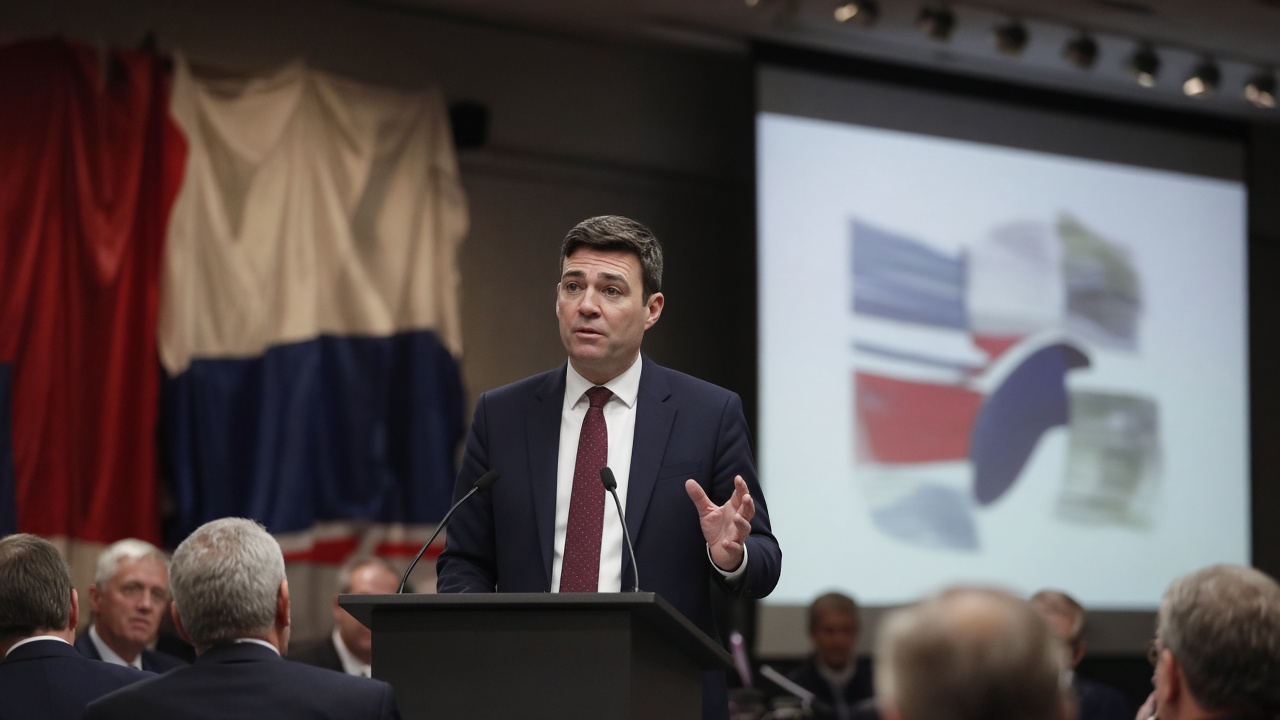
Prime Minister Andy Burnham said Tuesday that the state pension triple lock will end in 2030, replacing the earnings-linked guarantee with a formula that still raises pensions each year by inflation or 2.5 percent, whichever is higher, but no longer tracks wage growth.
Speaking live on the BBC from the Labour Party conference in Liverpool, Burnham framed the change as the price of launching a national care service that would pool funding for social care across England and end what he called the postcode lottery facing families with disabled and elderly relatives. The announcement landed hours after he used his keynote speech to promise a “new age of industrialisation” tied to defence spending in Scotland and northern shipyards.
How the triple lock would change
Under the triple lock introduced after the 2010 election, the basic state pension rises by the highest of average earnings growth, Consumer Prices Index inflation or 2.5 percent. Burnham said maintaining the earnings link after 2030 is unaffordable if the government is to honour commitments to cap borrowing while expanding care provision.
Treasury officials briefing journalists in Liverpool said the earnings component alone has added billions to pension costs in years when pay growth outpaced inflation, including during the post-pandemic recovery. Keeping inflation plus the 2.5 percent floor, they argued, still protects pensioners from real-terms cuts while freeing roughly £6 billion a year by the middle of the next decade for care budgets, subject to parliamentary approval.
Conference politics
Labour delegates gave Burnham a standing ovation after he linked the care service to his own family experience supporting relatives, but trade union leaders warned that any perceived breach of pension promises could alienate older voters in marginal seats. The Conservatives, speaking from the conference fringe, said Burnham was reneging on a manifesto commitment and pledged to force a Commons vote on the 2030 timetable.
Chancellor Rachel Reeves did not repeat the triple-lock pledge in her own Liverpool appearances, focusing instead on defence procurement and green industry subsidies. BBC political editor Faisal Islam said the move is “significant” because it signals Burnham is willing to spend political capital on long-term fiscal reform rather than waiting until after the next election.
Care service blueprint
Burnham’s national care service plan would merge elements of NHS continuing healthcare with local authority social care budgets, creating a single assessment process and portable entitlements for people moving between councils. Pilot schemes in Greater Manchester during his mayoralty are cited inside Downing Street as evidence the model can reduce hospital delayed discharges, though independent analysts say upfront costs remain high.
Charities including Age UK welcomed talk of ending catastrophic care bills but demanded detail on eligibility and whether home care workers would see higher wages. The Institute for Fiscal Studies said any savings from the triple-lock change depend on wage growth staying above inflation after 2030; if earnings stagnate, the fiscal gain shrinks.
What happens next
The government is expected to publish a white paper this autumn setting out the 2030 switch and care-service legislation for the next Queen’s Speech. Pensioner groups said they would lobby MPs to retain the earnings link, while Burnham insisted the state pension will still rise every year and that the alternative is leaving families to sell homes to fund care.
With the conference closing Wednesday, Burnham travels to COBRA on security matters before returning to Westminster, where the triple-lock decision is likely to dominate Treasury questions. For Labour, the bet is that voters will accept slower pension increases if they believe a national care service is finally within reach.