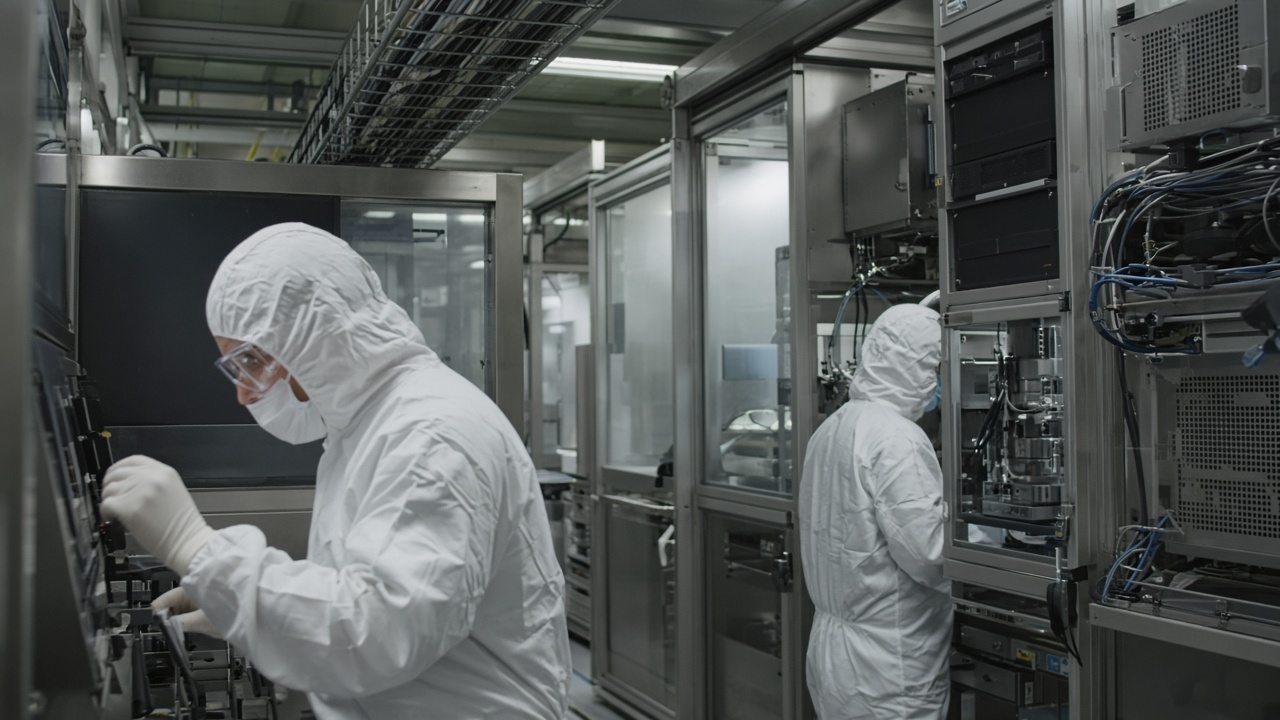
Singapore’s manufacturing output rose 15.4% year on year in August, the Economic Development Board said on 28 September, as electronics and precision engineering factories fed AI-related demand while chemicals production slid again.
The headline acceleration from July’s revised 6.9% growth looks strong, but traders had priced an even hotter number. Excluding biomedical manufacturing, output climbed 17% year on year, extending July’s 8.2% gain.
Where the growth landed
Electronics output rose 28.5% year on year, helped by servers, semiconductors and storage products tied to data-centre and AI infrastructure orders. Precision engineering jumped 33.9%, led by semiconductor equipment in the machinery and systems segment — the cluster with the largest August increase.
Transport engineering grew 9.5% on stronger aircraft parts production and maintenance work. General manufacturing edged up 1.5%, supported by beverages, commercial printing and metal doors and windows.
Chemicals drag and monthly dip
The chemicals cluster fell 12.7%, extending July’s 10.5% decline. EDB cited plant maintenance in petroleum and softer petrochemical demand; specialties such as industrial gases and food additives posted gains but could not offset the heavier segments.
On a seasonally adjusted month-on-month basis, total manufacturing output slipped 0.5% in August after rising 2.3% in July. Excluding biomedical, output still grew 5.8% month on month, suggesting underlying momentum even with the headline wobble.
Listed names and the STI
Contract manufacturers and equipment suppliers with Singapore listings tend to move on these prints before the broad index does. Monday’s STI gain was led by banks reacting to global rate expectations, but electronics-heavy industrials give investors a local read on whether AI capex is still landing in fabs and test houses here.
Analysts quoted in local business papers expect uneven cluster performance to continue: strong server and tool demand, fragile petrochemicals. The next catalyst is whether September export orders confirm the August production spike or show customers drawing down inventory.
For households, the print is indirect — jobs and dividends rather than shelf prices. For policymakers, it is evidence that the manufacturing slice of Singapore’s economy is riding the AI hardware cycle, with chemicals still a offsetting weight on the total.
Biomedical and re-exports
Biomedical manufacturing can swing month to month on pharmaceutical batch timing, which is why EDB publishes both headline and ex-biomedical series. August’s ex-biomedical 17% rise suggests the AI hardware story is broader than vaccine fill-finish lines.
Singapore’s role as a re-export hub also means some output ships to regional assembly plants; the IP print does not by itself prove domestic value-added, but it does show fabs and tool makers are running hot.
Small and medium enterprises feeding the clusters — logistics firms, testing houses, packaging suppliers — see orders before the listed giants report earnings. Business parks in the east and west have cited tighter truck slots on month-end when electronics shipments spike.
Policy backdrop
Trade agencies continue to court advanced manufacturing investments with tax incentives and land in Jurong and Tuas. August’s numbers give MAS and MTI talking points when they brief on external demand, even as chemicals weakness reminds ministers that not every segment rides the same cycle.