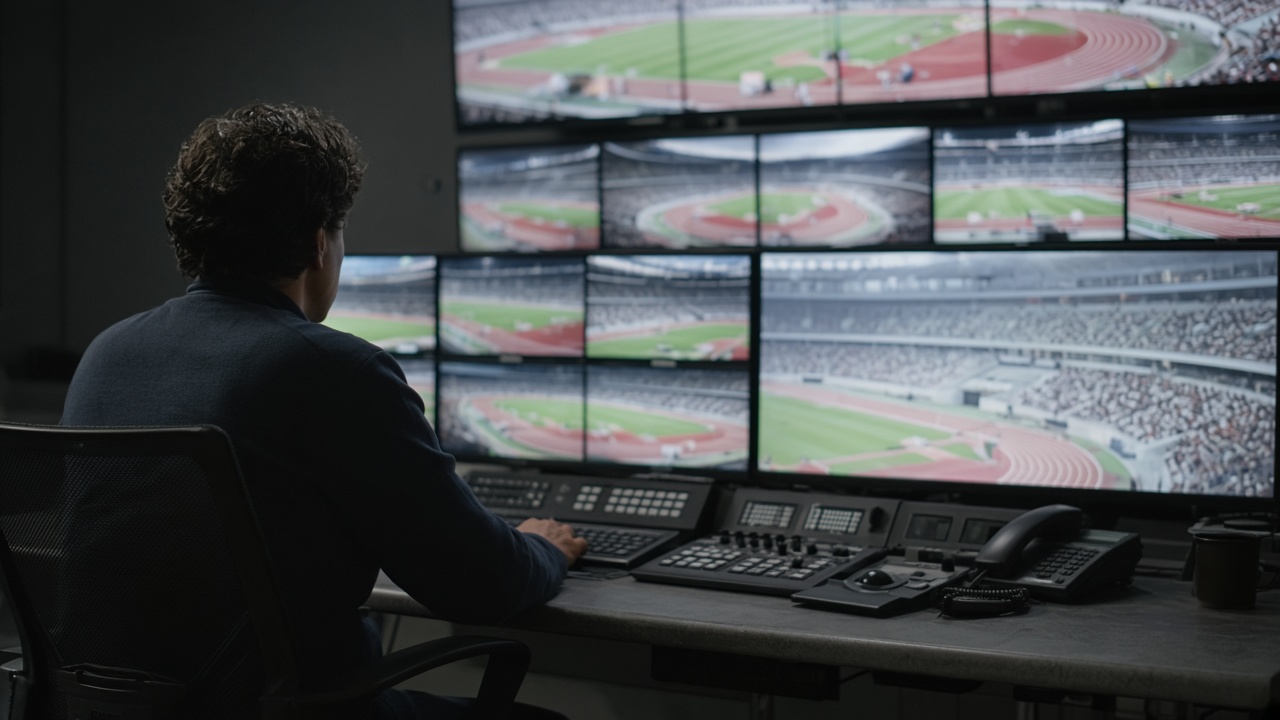
Fuji TV scheduled a ninety-minute Asian Games track and field finals package airing at 12:20 a.m. Wednesday Kanto time, targeting factory and logistics workers who miss live Nagoya feeds during evening shifts. The special licenses sprint and relay highlights from the host broadcaster pool with Japanese commentary recorded after the live window closes.
Programming choices
Producers prioritized men’s and women’s 100-meter finals, the 4x100-meter relays, and the women’s 400-meter hurdles where Japan entered medal contenders. Longer field events and morning heat replays stay on streaming apps requiring login credentials tied to Fuji’s digital platform. The linear broadcast includes closed captions and audio description tracks mandated for major sporting events under MIC accessibility guidance.
Why a late slot
Ratings research inside Fuji showed a spike at midnight among viewers aged twenty-five to forty-four in Saitama and Kanagawa industrial belts. Live rights for primetime were locked to the host consortium; Fuji bought delay rights cheaper and paired them with workplace safety sponsors already buying ads on overnight slots.
Production logistics
Commentary teams record in Minato after feeds arrive on fiber from Nagoya International Stadium. Lawyers cleared athlete likeness releases through Japan Olympic Committee protocols. If thunderstorms delay track events—as typhoon season did earlier in the meet—Fuji will substitute recorded interviews with relay coaches rather than air empty tracks.
Viewer impact
Night-shift workers without reliable streaming at warehouses get a DVR-friendly block before Thursday commutes. Bars in Yokohama near port gates asked Fuji for HDMI clean feeds; the network declined, citing exclusivity with a beer sponsor supplying decoders to select locations.
Broader media context
Asian Games coverage fragmented across streaming and regional stations. Fuji’s bet is that curated delay beats pirated clips on social video apps that lack athlete context. If overnight ratings beat last year’s Olympic rerun specials, expect similar packages for swimming before the closing ceremony broadcast Wednesday evening.
Sponsor integration
Workplace safety sponsors bought split-screen billboards reminding viewers about stretch breaks on factory lines—a nod to the audience rather than generic car ads. Ad standards reviewers cleared the messaging because it avoided medical claims.
Streaming overlap
Fuji’s streaming app will host extended interviews unavailable on linear TV, hoping to convert night-shift viewers into subscribers without cannibalizing sponsor commitments on the broadcast cut-down.
Ratings expectations
Fuji internal targets set overnight shares modestly above recent Olympic rerun specials; advertisers accepted lower CPMs in exchange for engaged industrial-belt demographics. If ratings beat targets, the network will pitch a similar package for marathon highlights before the closing ceremony.
Archive rights
Fuji negotiated seven-day catch-up viewing for the special, after which clips revert to host pool restrictions that limit social media reposts.
Union crews negotiated overtime pay for midnight control-room staff, setting precedent for future delayed sports packages during international events hosted domestically.