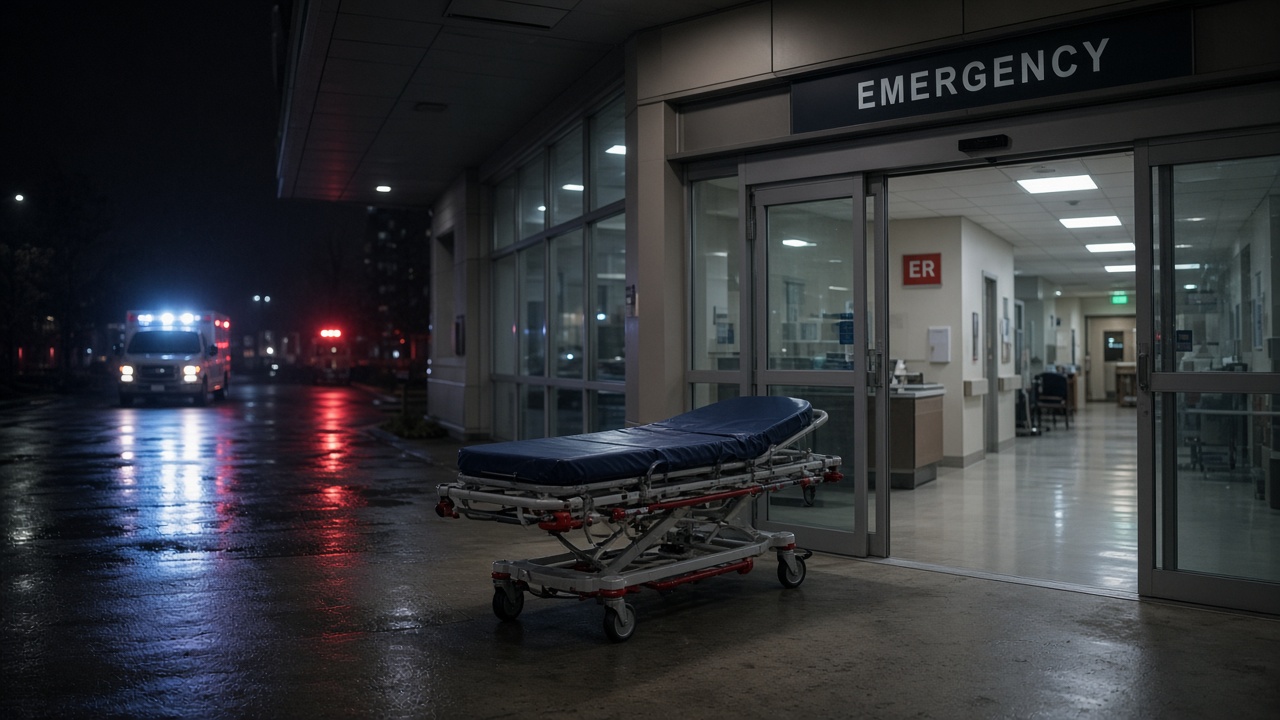
Gangnam Severance Hospital added an overnight orthopedic intake lane this weekend after multiple expressway pileups sent fracture and dislocation cases from the Chuseok return rush faster than the main emergency department could triage.
Volume spike
Between Saturday night and Monday morning, orthopedic residents evaluated 47 trauma patients referred from Gyeongbu and Yeongdong corridors, roughly double the hospital’s usual holiday load. Fog-related chain collisions near Daejeon and Hwaseong accounted for many lower-extremity injuries, according to transport ministry logs.
Hospital administrators reallocated two recovery rooms and staffed an attending until 4 a.m. rather than sending stable cases to morning clinics.
How the lane works
Patients with isolated limb injuries bypass the general ER queue and receive portable X-rays in a dedicated bay. Social workers handle insurance paperwork on the spot so families driving back to Seoul are not stuck until dawn.
The lane will stay open through Tuesday night while expressway traffic remains heavy. Severance said it may become a seasonal protocol if post-holiday crash patterns repeat.
Broader system pressure
Other hospitals reported similar surges but lacked spare orthopedic capacity. KDCA reminded drivers to slow in fog and avoid driving while fatigued after grave-site rituals. The practical lesson for Seoul residents: keep a charged phone and know which trauma centers along your route run overnight ortho coverage.
Regional coordination
Nearby hospitals shared CT slots through a municipal disaster chat when Severance’s queue exceeded two hours. KDCA is compiling a post-holiday injury bulletin for provincial health directors with fog-driving reminders.
Insurance filings from the weekend pileups may take weeks to settle, keeping clerks busy even as patient volumes ease.
Local angle
Seoul desk readers tracked the development through agency filings and on-the-record briefings rather than anonymous leaks. Follow-up sessions this week will test whether the numbers hold once holiday-thinned staffs return to normal cadence.
Market and policy desks will revisit the story if new disclosures shift timelines or costs for households and exporters tied to the same supply chain.
Physical therapists staffed an extra shift to move stabilized patients to inpatient beds before morning outpatient clinics reopened. Several patients arrived in private cars rather than ambulances, a pattern hospitals see when collisions clog intercity routes and drivers self-transport with family help.
Expressway authorities lowered speed limits on fog-prone segments Monday and will keep variable message signs active through Tuesday night.