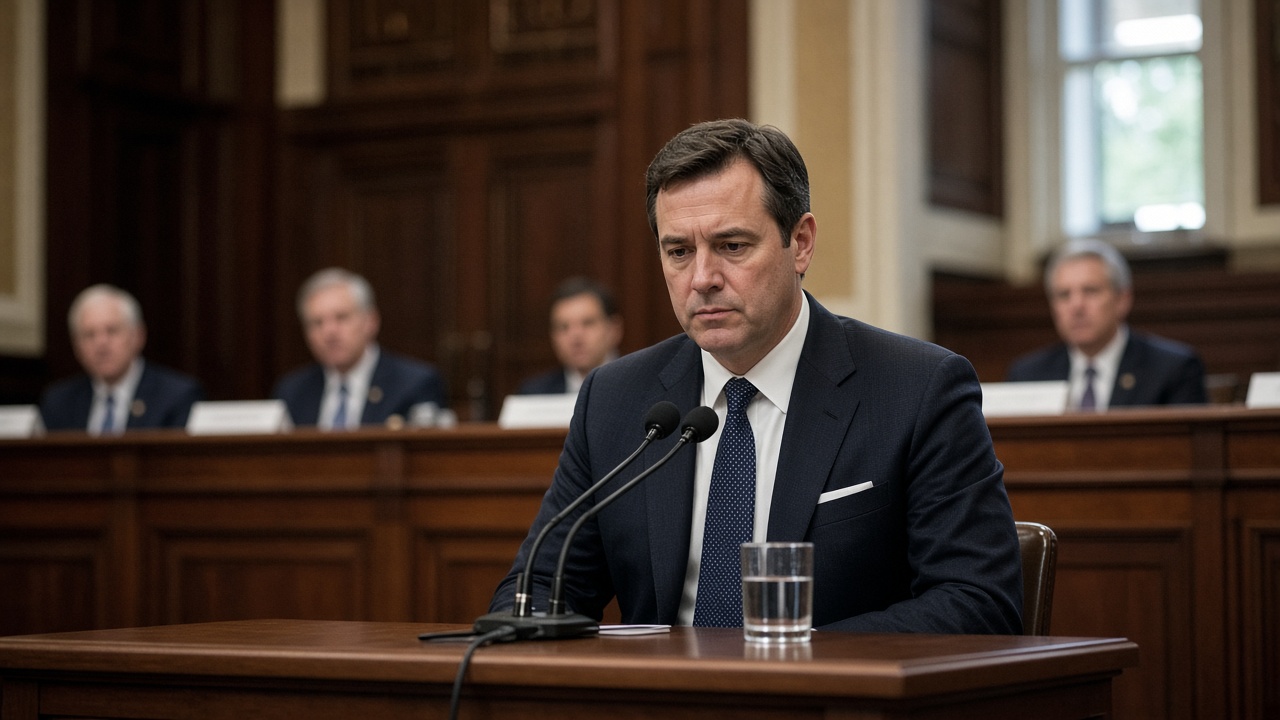
Former special counsel Jack Smith told the Senate Judiciary Committee on Tuesday that he stands by his decision to charge President Donald Trump, pushing back against Republican accusations that the Justice Department weaponized criminal law against a political rival.
Smith’s opening message
In his prepared remarks, Smith said he made charging decisions “without regard to President Trump’s political association, activities, beliefs, or candidacy in the 2024 presidential election,” ABC News reported. He added that he believed he could prove Trump’s guilt beyond a reasonable doubt in the cases he brought before courts ended the prosecutions.
The hearing gave Smith his highest-profile forum since leaving the special counsel role. Trump, who defeated the cases on procedural and immunity grounds after winning the 2024 election, has continued to attack Smith personally while congressional allies explore whether the former prosecutor should face investigations of his own.
Two investigations, one witness
Smith secured indictments over Trump’s efforts to overturn the 2020 election loss and over alleged unlawful retention of classified documents at Mar-a-Lago. Federal judges halted or narrowed both prosecutions as immunity and appointment questions worked through appeals.
Smith’s testimony Tuesday focused on defending the investigative record rather than re-litigating every filing. He emphasized that career prosecutors staffed the cases and that charging judgments followed evidence, a framing designed to counter narratives that the probes were timed to influence the election cycle.
Republican pushback
GOP senators used the hearing to press Smith on discovery decisions, media leaks and interactions with the Biden-era Justice Department leadership. Several echoed Trump’s claim that the special counsel’s office became a political instrument, a charge Smith rejected as inconsistent with the case files.
Democrats largely defended Smith as a by-the-book prosecutor caught between a former president’s legal challenges and a judiciary still defining the outer bounds of executive immunity. The partisan split guarantees the hearing will feed campaign ads even if it produces no new criminal referrals this week.
Limits on what Smith could say
ABC News noted that a standing order in the classified-documents case still restricts some government officials from discussing material that could surface at trial. That gag complicates any effort by Smith to walk senators through the most sensitive evidence in open session.
Appeals courts are separately weighing whether Smith’s final report should be released in full. Republicans want the document public; Trump’s lawyers argue disclosure would prejudice future proceedings even if the criminal cases remain frozen.
Timing with the Trump administration
The hearing landed on a busy news day at the White House, where Trump met AI executives hours after signing an executive order on a federal services portal. Smith’s appearance served as a counterprogramming reminder that accountability debates from Trump’s first term are not closed simply because the docket stalled.
Justice Department leaders under Trump have signaled they will review whether Smith or his team committed misconduct. Smith’s defiant tone Tuesday suggested he is prepared for that scrutiny and will argue any referral would itself be retaliatory.
What changes for voters
No indictment will be refiled while Trump holds the presidency under current immunity rulings. The hearing’s practical effect is political: it gives each party a televised record ahead of the midterm cycle.
For prosecutors watching from U.S. attorney’s offices, Smith’s performance is a case study in how special counsels must defend their work after courts—not juries—decide whether trials can proceed. For Trump, the session is another chance to portray himself as a target, even as he governs from the Oval Office.
The committee did not announce follow-up subpoenas Tuesday, but staffers on both sides said they would continue document requests. Smith left the witness table with his core claim intact: he would bring the same charges again if the law allowed it.