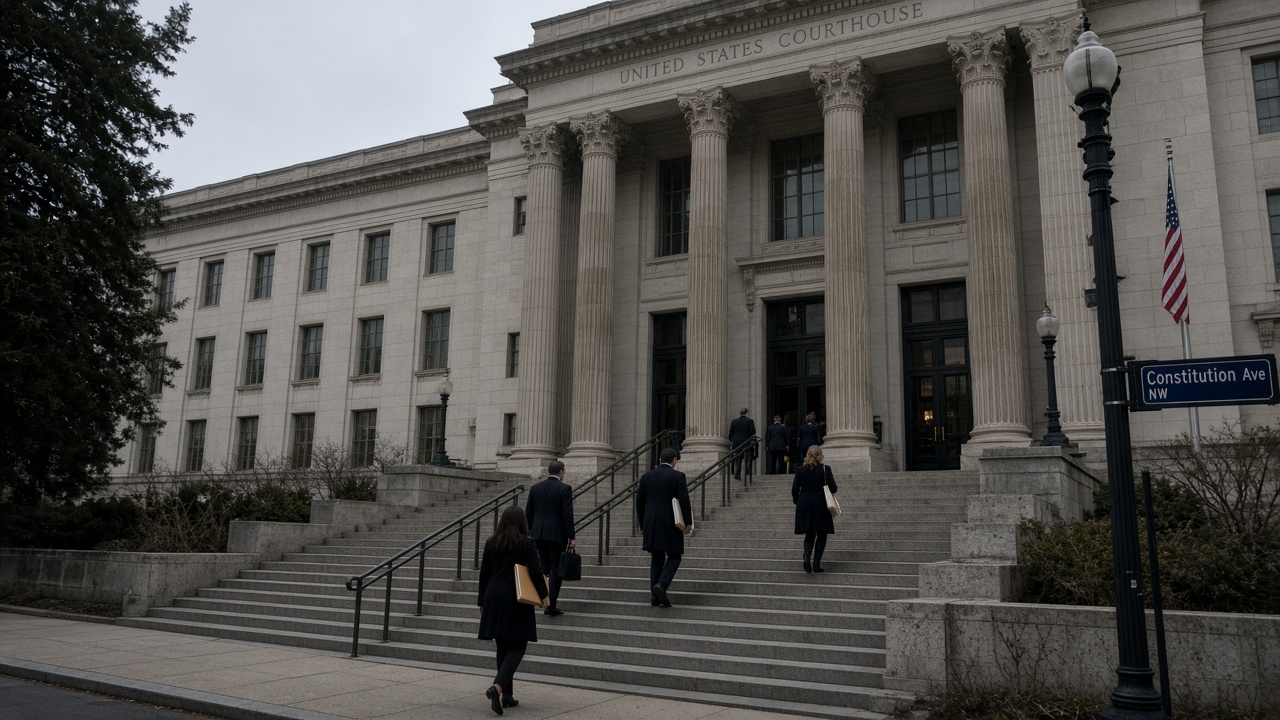
A federal judge in Washington blocked the Trump administration on Monday from using counterterrorism grants to pressure states into changing election rules, handing voting-rights groups a procedural win weeks before November’s midterm elections.
What the court blocked
U.S. District Judge Amir Ali said the Department of Homeland Security and the Federal Emergency Management Agency lacked authority from Congress to attach election-related strings to the Homeland Security Grant Program. In a 24-page opinion, he barred agencies from enforcing conditions that would have withheld 20 percent of certain state and urban-area awards until jurisdictions complied with a federal checklist on voter rolls, mail ballots and related practices.
The program, which Congress funds at more than $1 billion for state, local and tribal governments, is meant to harden crowded venues, online systems and border infrastructure against terrorism—not to set election law, Ali wrote. He found the new conditions failed the legal test that grant requirements must relate to the underlying purpose of the money.
How the policy reached the states
FEMA’s summer notice to applicants added the election compliance language as part of a broader push by President Donald Trump’s administration to reshape voting procedures based on claims of widespread fraud that courts have repeatedly rejected. States that depend on the grants for fusion centers, port security and similar projects faced a choice between accepting the terms or risking a slice of anticipated funding as campaigns accelerate.
Plaintiffs including state officials and civil-rights organizations argued the conditions were an end run around Congress and would chill lawful election administration. The administration countered that tying security money to election integrity fell within executive discretion over grantmaking.
What happens next
Neither DHS nor FEMA responded immediately to requests for comment on the ruling. The decision can be appealed, and the administration has pursued similar election policies through other agencies, so Monday’s order may narrow only one lever rather than end the dispute.
For now, states awaiting FY2026 grant decisions can proceed without the contested withholding provision. Voting groups said the timing matters because local officials are finalizing poll-worker plans and ballot logistics while litigation over other federal election directives continues in separate courts.
Ali’s order does not resolve underlying fights over voter identification, mail-ballot rules or federal oversight of state databases. It only prevents this particular counterterrorism pool from being conditioned on those fights—leaving both sides to argue the merits again in the next grant cycle or the next statute.