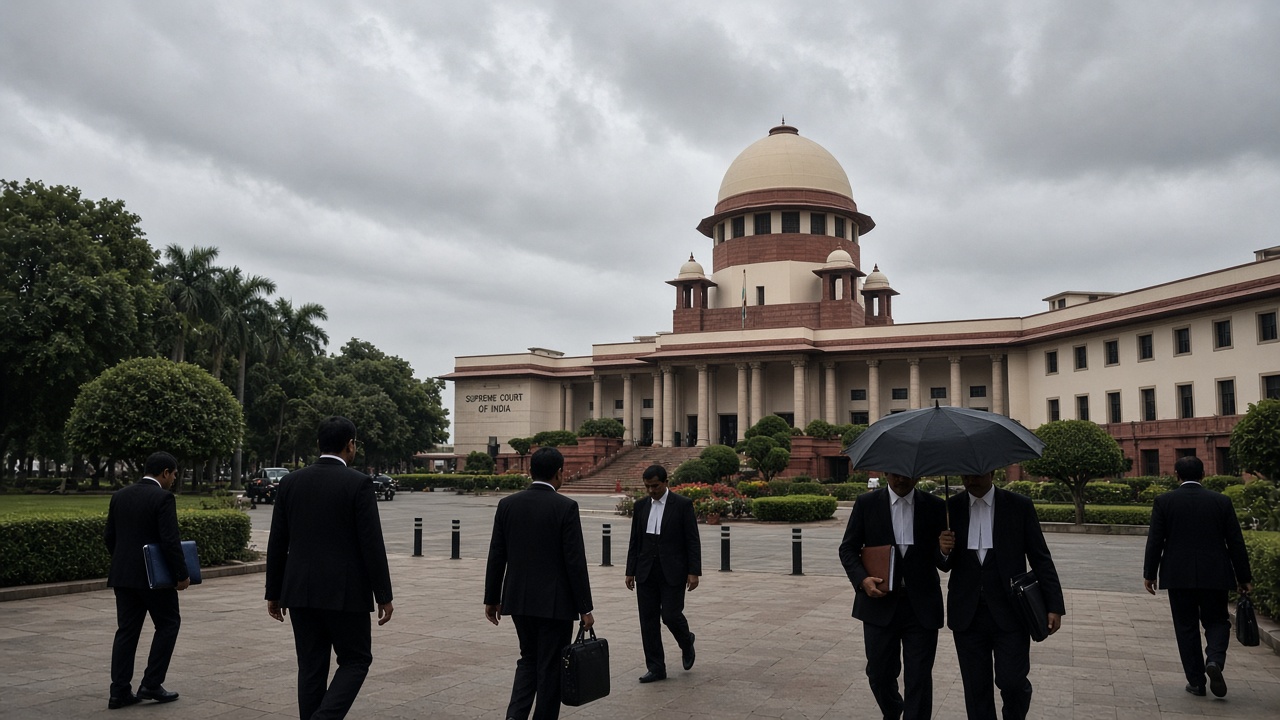
Chief Justice Surya Kant agreed on Tuesday to hear next week a constitutional petition challenging whether India’s Chief Election Commissioner has been exercising powers that belong to the full Election Commission, setting up a early test of how the three-member body must act under the 2023 reform law.
What the petition seeks
Patna resident Rakesh Kumar Singh filed the Article 32 plea after oral mentioning by senior advocate Vikas Singh. It asks the Supreme Court to declare that decisions under Article 324 must be taken by the Commission collectively—not by its chairman alone—and seeks a writ of quo warranto requiring Gyanesh Kumar to show authority for steps taken in the Commission’s name.
Interim relief would bar Kumar from functioning as chief commissioner until the case is decided and require business to proceed only through unanimous or majority votes of Election Commissioners Sukhbir Singh Sandhu and Vivek Joshi, according to filings described in court coverage.
Allegations on record
The petition cites at least 14 objections Sandhu and Joshi logged between October 2025 and August 2026 over communications, agenda papers, changes to statutory Form 6, access to ERONet and ECINet electoral databases, IT work allocations and appeals filed before West Bengal appellate tribunals. Singh argues those objections show orders issued as if the Commission had approved them when it had not.
Counsel contended that Section 18 of the Chief Election Commissioner and Other Election Commissioners Act, 2023, makes the chairman a first among equals rather than a solo decision-maker. The plea also challenges the Special Intensive Revision of voter rolls and asks the court to preserve physical and electronic records tied to the revision while litigation proceeds.
Court’s next steps
Kant did not pass interim orders from the bench during mentioning but committed to list the matter early next week. The case arrives alongside a separate petition seeking criminal scrutiny of roll-deletion figures during the revision, underscoring how judicial scrutiny of the Commission has intensified ahead of state election cycles.
Why it matters politically
Opposition parties have accused the Commission of centralising authority since the 2023 law reshaped appointments. The government has defended the revision as a cleanup of duplicate entries. A Supreme Court ruling on who may speak for the Commission could affect pending roll challenges, tribunal appeals and the paperwork voters must file to stay enrolled.
For now, the dispute turns on procedure: whether minutes, majorities and shared control of electoral software are constitutional requirements—or whether the chairman can bind the institution while colleagues dissent. Next week’s listing will show how quickly the court wants answers.