Komeito executives pressed Liberal Democratic Party tax planners Monday to publish funding sources and start dates for a proposed consumption-tax offset on groceries before the extraordinary Diet session convenes October 5, saying vague rebate talk will not stabilize household budgets after September’s Bank of Japan rate increase. The meeting at the LDP headquarters did not produce a signed agreement, but both sides confirmed grocery items would dominate the first week of coalition negotiations.
What Komeito wants spelled out
Komeito has long championed reduced tax burdens on food, arguing regressive consumption taxes hit pensioners hardest. Party officials asked for a line-item table showing which products qualify—fresh produce versus prepared meals—and whether offsets appear at checkout or as annual refunds. They also demanded a Ministry of Finance score showing how much revenue would be replaced if the national consumption tax rate stays at ten percent on non-food items.
LDP tax committee members countered that permanent cuts need permanent offsets, floating discussions about dividend taxation and medical copayment reforms without endorsing them publicly. Komeito leaders said they will not sign a session agenda until grocery offsets have a dated implementation path, not just a press release headline.
Timing and Diet math
The October 5 extraordinary session is scheduled to run sixty-nine days, overlapping with local election preparations in several prefectures. Coalition whips want food tax votes early to free calendar space for defense supplementaries and lower-house seat reform bills filed by opposition parties. Budget bureau officials warn that mid-year tax tweaks complicate municipal allocation formulas that schools and nursing homes rely on from April.
Household context
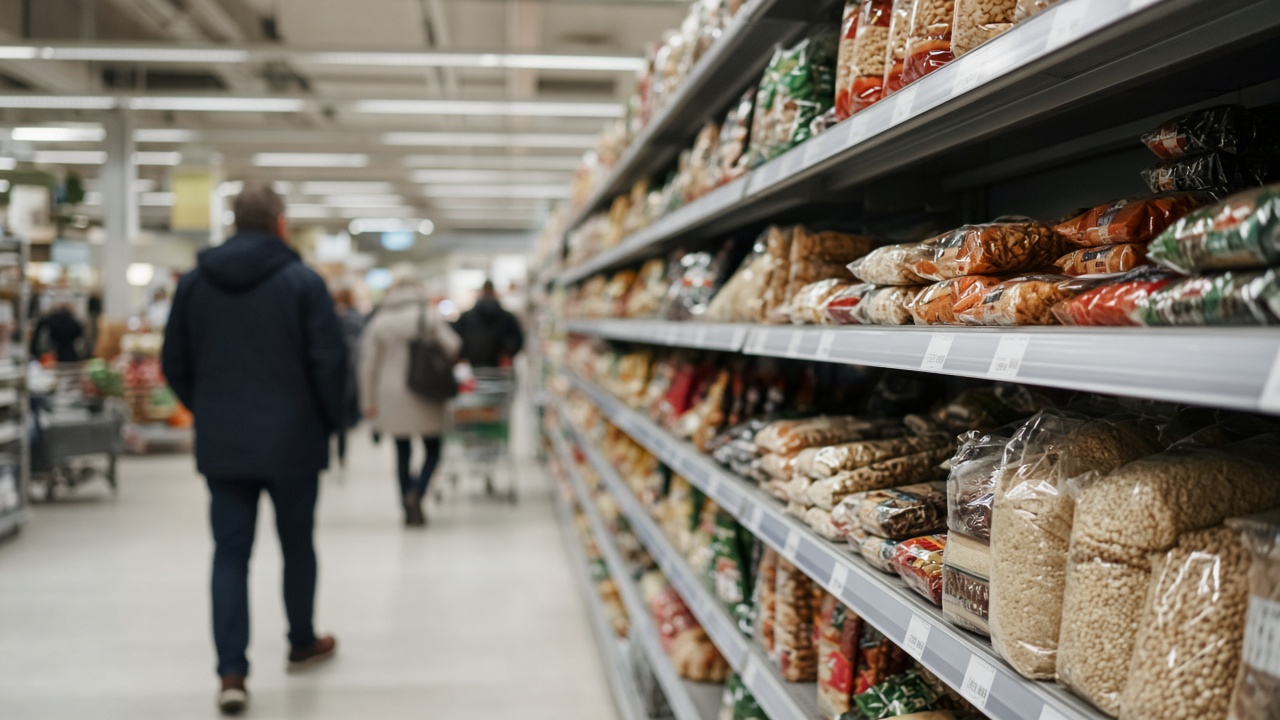
Supermarket chains reported mixed Silver Week sales: tourism regions did well, bedroom communities saw cautious basket sizes as yen weakness raised import costs on cooking oil and coffee. Consumer confidence surveys due Friday will show whether September’s BOJ hike changed spending plans. Komeito’s pitch is that visible grocery relief builds trust faster than abstract growth metrics.
What happens next
LDP Secretary-General offices scheduled follow-up talks Tuesday night. If no deal emerges, Komeito may slow committee assignments—a rare lever in coalition politics. For shoppers, prices will not change until legislation passes both Diet chambers and cabinet orders specify register software updates, a process retailers say needs at least six weeks lead time. The political fight this week is whether coalition partners agree on a calendar before asking the public to believe relief is imminent.
Retail systems
Supermarket IT vendors told coalition staff that register software needs SKUs tagged for reduced tax lanes, a database project that cannot flip overnight. Komeito negotiators asked for a pilot in prefectures with unified POS vendors before national rollout.
Opposition positioning
Constitutional Democratic Party lawmakers said any grocery offset should be paired with published revenue replacements, mirroring Komeito’s demand but adding income-tax progressivity. Japan Innovation Party members prefer voucher experiments in Osaka rather than nationwide register changes.
Macro backdrop
BOJ officials privately reminded politicians that fiscal offsets interact with monetary tightening; Komeito leaders said grocery relief is still warranted if funded honestly. Ministry of Finance staff floated sunset clauses tied to inflation prints to keep deficits bounded.
Household surveys
Cabinet Office consumer confidence data due Friday will test whether grocery anxiety outweighs wage hike optimism. Coalition negotiators plan to read those prints before finalizing offset start dates.
Convenience store chains asked for lead time to relabel shelf tags if reduced rates apply only to fresh food, a category boundary still under negotiation in coalition drafts.
Media schedule
Party leaders may hold a joint press conference if agreement lands before the session opening gavel; otherwise expect dueling briefings that could unsettle bond markets already sensitive to fiscal slippage.
Rural LDP chapters want fuel tax rebates included in the same package, complicating coalition math further.
Wholesale market associations submitted comments urging uniform tax treatment for restaurant supply purchases, another boundary item on coalition spreadsheets.
Economists at think tanks aligned with both parties will publish rival scorecards once draft bills circulate, giving voters numbers beyond campaign slogans.