National Development Minister Chee Hong Tat told the annual HDB Awards dinner on 25 September that the board will make a standardised precast catalogue available to builders from 28 September and require it in projects tendered from December 2026, part of a push to cut on-site manhours while BTO demand stays high.
The Enhanced Precast Components Catalogue (EPCC) bundles commonly used wall, bathroom and stair modules so contractors do not redesign the same pieces for every site. HDB said the catalogue should reduce duplicated engineering work and let crews install repeatable segments faster once they reach the block.
Robots and hoists on more sites
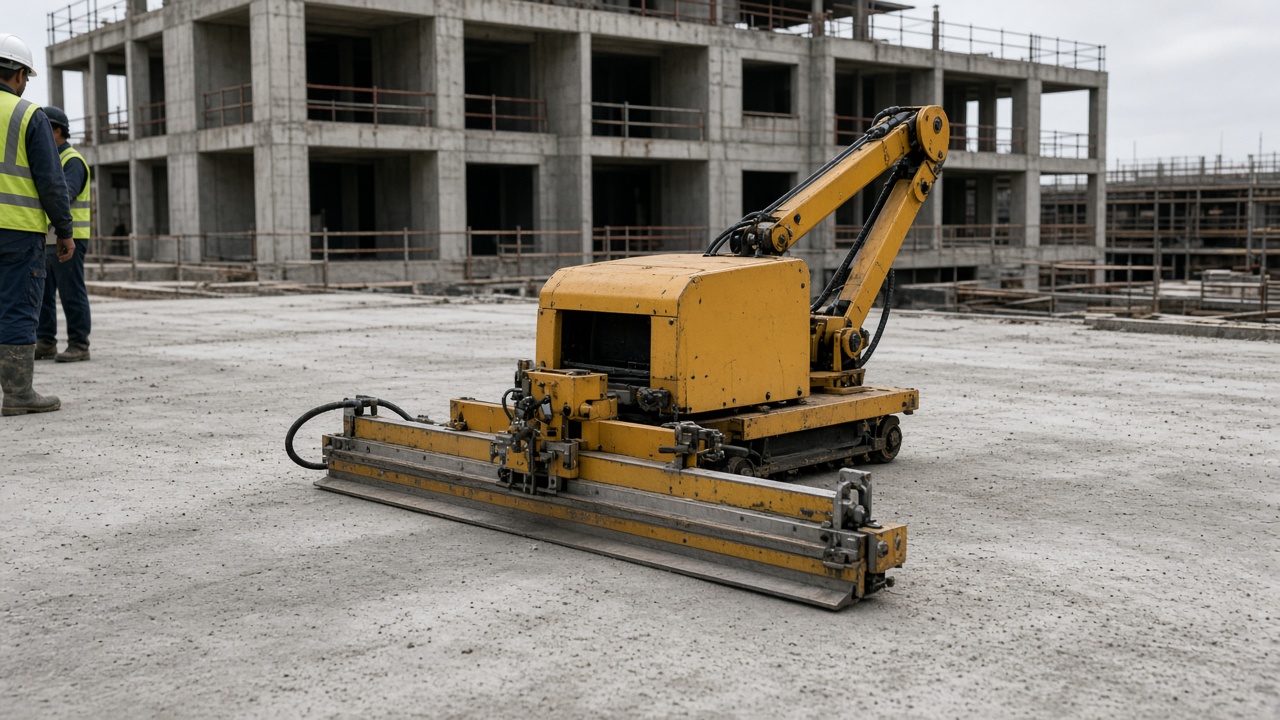
Chee also said HDB has trialled screeding robots at Bukit Merah and Ghim Moh, with at least four more BTO projects slated for 2027 trials. A robot photographed at the Woodgrove Edge site on 21 September levelled a fresh cement floor with a laser guide while workers stayed at the perimeter.
Separately, automated temporary lifts — smart hoists — will be deployed at about half of all new BTO sites tendered from 2027. Chee said he has asked HDB to work toward using both technologies at every new site, though he did not attach a deadline to full coverage.
What changes for buyers
None of this alters ballot odds or price ladders directly. The policy bet is that faster, more mechanised builds can shorten waiting times and reduce reliance on scarce wet-trade labour, which has been a bottleneck when launch volumes rise.
Industry partners will access the EPCC from 28 September; mandatory use begins with December 2026 tenders. HDB said early estimates point to meaningful manhour savings once teams are trained on the catalogue layouts, but it has not published a single nationwide week-count target.
Parliament and town councils
The announcement landed outside a sitting week, but it feeds the same housing productivity debate MPs have pressed in written questions: whether Singapore can scale BTO supply without repeating the long construction delays seen in earlier cycles.
Town councils and residents still care about construction noise and haul routes while robots and hoists roll out. HDB’s trials will have to show the equipment works on tight urban sites — not just greenfield plots — before Chee’s “all sites” ambition is credible.
For now, the measurable commitment is the December 2026 tender rule on precast standardisation and the 50% smart-hoist share from 2027. Everything beyond that remains a direction, not a gazetted requirement.
Contractor training and safety
Builders that win December tenders will need time to align shop drawings with the EPCC modules. HDB’s message to the industry at the awards dinner was that productivity tools only work when site supervisors enforce the same sequencing every floor, not when crews revert to bespoke pours on level 12 because the catalogue beam did not fit a column grid.
Workers’ Party MPs have previously asked how robotics affects wet-trade employment; Chee’s answer has been that higher throughput protects jobs in supervision, logistics and maintenance even if headcount per block falls. Unions will watch whether training vouchers follow the hardware rollout.
Residents living beside active BTO sites should expect a transition period: robots still need human spotters, and smart hoists require new exclusion zones. Noise rules from NEA still cap hours; the equipment changes how sound carries, not whether drills can run past 10pm.