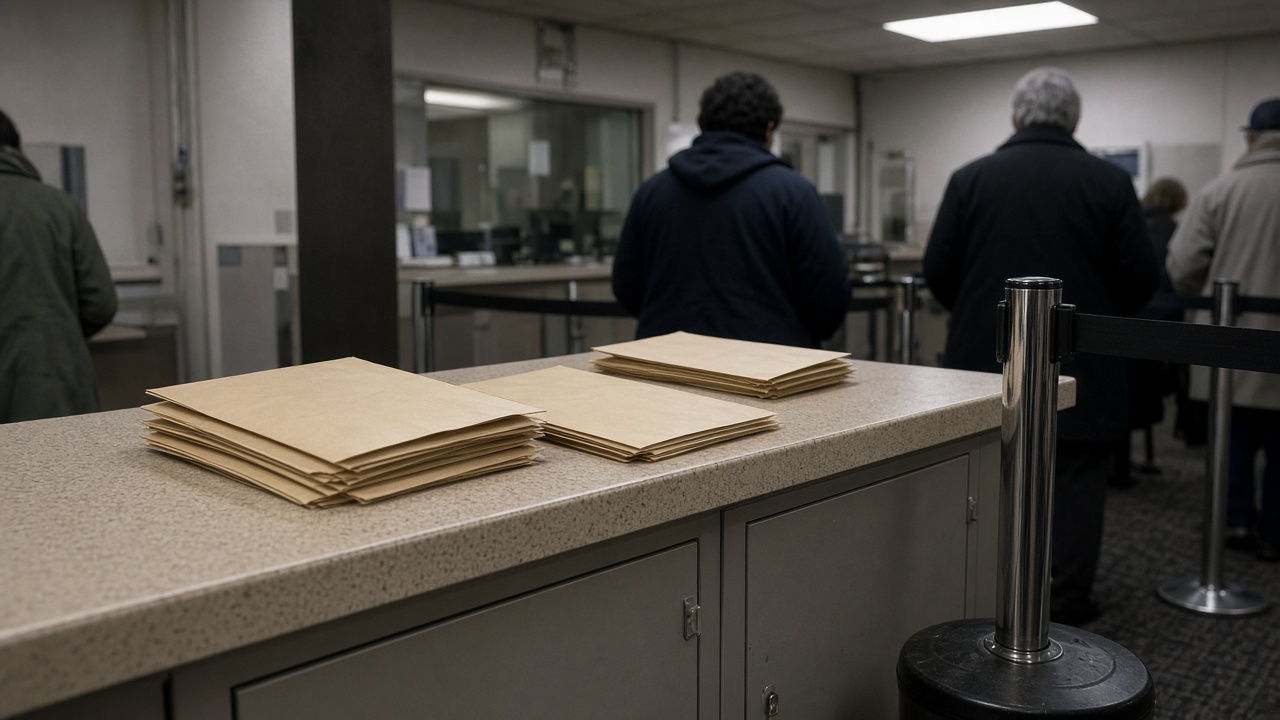
Travelers booking fall international trips face a familiar bottleneck: the State Department still lists four-to-six weeks for routine passport processing, plus mailing time that is not counted in that window.
The agency’s processing-time page, updated in April 2026, repeats that routine service takes four to six weeks once an application reaches a passport agency or center, with up to two weeks each way for mail. Expedited service costs an additional $60 and targets two-to-three-week processing, still excluding shipping. For trips within 14 days—or visa appointments within 28 days—travelers must seek an in-person passport agency appointment and bring proof of imminent travel.
Why fall bookings collide with paperwork
Airlines and tour operators push shoulder-season sales in late September, but a passport applied for today on routine service may not return before Thanksgiving unless processing runs at the faster end of the range. The State Department notes that demand peaks from late winter through summer, suggesting October applications may fare better than spring rushes—yet the published window remains unchanged.
The National Passport Information Center schedules agency appointments by phone at 877-487-2778 and online for qualifying urgent cases. The department warns it cannot guarantee appointment availability, a constraint that matters when fare sales have nonrefundable international segments attached.
Paths depending on your timeline
If departure is more than eight weeks out, routine mail or online renewal is usually the cheapest path when passport books are eligible for renewal-by-mail. Between six and eight weeks, compare the $60 expedite fee against the cost of changing tickets if a passport arrives late.
Within 14 days of travel, gather itineraries, proof of payment, citizenship evidence, and identity documents before calling NPIC. Third-party appointment services that charge for slots are not affiliated with the government; the State Department treats paid booking sites as potentially fraudulent.
REAL ID is separate from passports
Domestic flights require REAL ID-compliant licenses or alternatives such as passports, but international itineraries need a valid passport book with adequate blank pages and, for many destinations, visa lead times that exceed passport printing alone. Build a checklist: passport validity, visa rules, and TSA identification requirements operate on different clocks.
Applying in October aligns with the department’s own advice to avoid the late-winter surge. Waiting until a fare deal appears without checking processing times remains the most common way to turn a bargain flight into an expensive lesson in expedite fees—or a missed trip.
Children and family travel
Children under 18 flying domestically without ID follow TSA rules separate from passport timing, but international family trips need passports for every traveler, including infants. Parental consent forms and evidence of relationship add processing steps that the four-to-six-week window must absorb.
If one parent applies in person with a co-parent unavailable, check State Department consent requirements before assuming routine mail service will suffice.
Renewal versus first-time applicants
Adult renewals by mail skip acceptance-facility visits when eligible, but photo rejections still delay mail pipelines. Use the department’s photo tool online before mailing to avoid doubling the wait.
First-time applicants and minors still need in-person acceptance visits, which adds appointment hunting at post offices and clerks’ offices on top of agency processing. Build that front-end time into any fare sale countdown.
Global Entry and other trusted-traveler programs do not replace passport books for international flights; they only speed re-entry screening once you already hold valid travel documents.