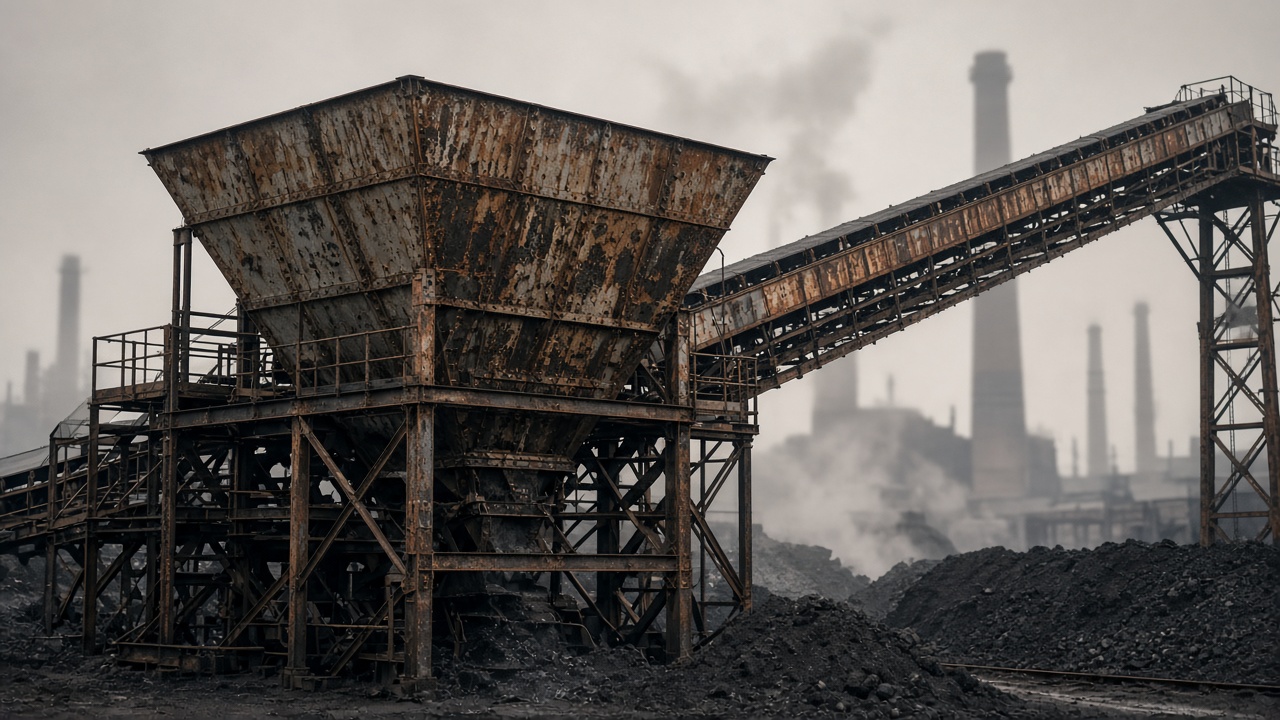
The Union power ministry cleared eight additional coal rakes daily for Konkan-coast thermal generators supplying Mumbai and Pune, citing Navratri week load forecasts that show a 6% evening peak increase from decorative lighting and late-hour cooling.
Coal India Ltd. will prioritize dispatches to Ratnagiri and Palghar-linked plants that feed Maharashtra State Electricity Distribution Co. Ltd.’s urban circles. Officials said stockpiles at those sites had slipped below the 12-day norm after a late-September maintenance outage at a washery slowed deliveries.
Why Navratri matters for the grid
Navratri pandals and extended retail hours shift demand later into the night than typical September patterns. Discom planners told InfoHandle they model a double bump: air-conditioning run-times stay elevated while festival lighting adds three to four gigawatts nationally at peak, concentrated in western states.
Gas-fired peakers in Mumbai can cover some surge, but fuel costs push discoms toward coal base load when rakes are available. The ministry’s order effectively preempts a repeat of 2024 complaints from Thane industrial estates about voltage sags during garba nights.
Renewables and balancing
Solar output fades exactly when festival lighting kicks in, so coordinators are scheduling pumped-storage units in the Western Ghats to ramp earlier. Wind availability along the Konkan coast is forecast moderate, not enough to offset coal dependence this week.
Maharashtra’s energy department said consumer-facing outages are unlikely if rakes arrive on schedule, but it warned standalone housing societies to maintain diesel genset fuel after two localized cable faults last weekend in Pune.
Political context
State polls loom in several Konkan districts, making visible load shedding politically toxic. Sana Qureshi’s desk notes that the rake clearance arrived the same day opposition legislators questioned coal inventory transparency in the monsoon session.
The ministry said it will publish daily dispatch dashboards through October 5, a modest transparency win if data stays current. For households, the practical takeaway is to expect stable supply barring local cable faults, not national coal shortages.
Industrial consumers
Thane and Navi Mumbai industrial associations asked discoms for hourly load-shed schedules if rakes slip, preferring planned cuts to surprise trips that damage furnace equipment. The ministry’s dashboard promise will be tested against those expectations.
Renewable purchase obligations for discoms remain unchanged, so solar developers said they still expect offtake payments even as coal rakes take priority on rail paths—a tension that shows up every festival season.
Western Railway confirmed priority paths for coal rakes on the Konkan route overnight, delaying two passenger services by under an hour—a trade-off local MPs said they would accept if industrial feeders stay stable through garba nights.