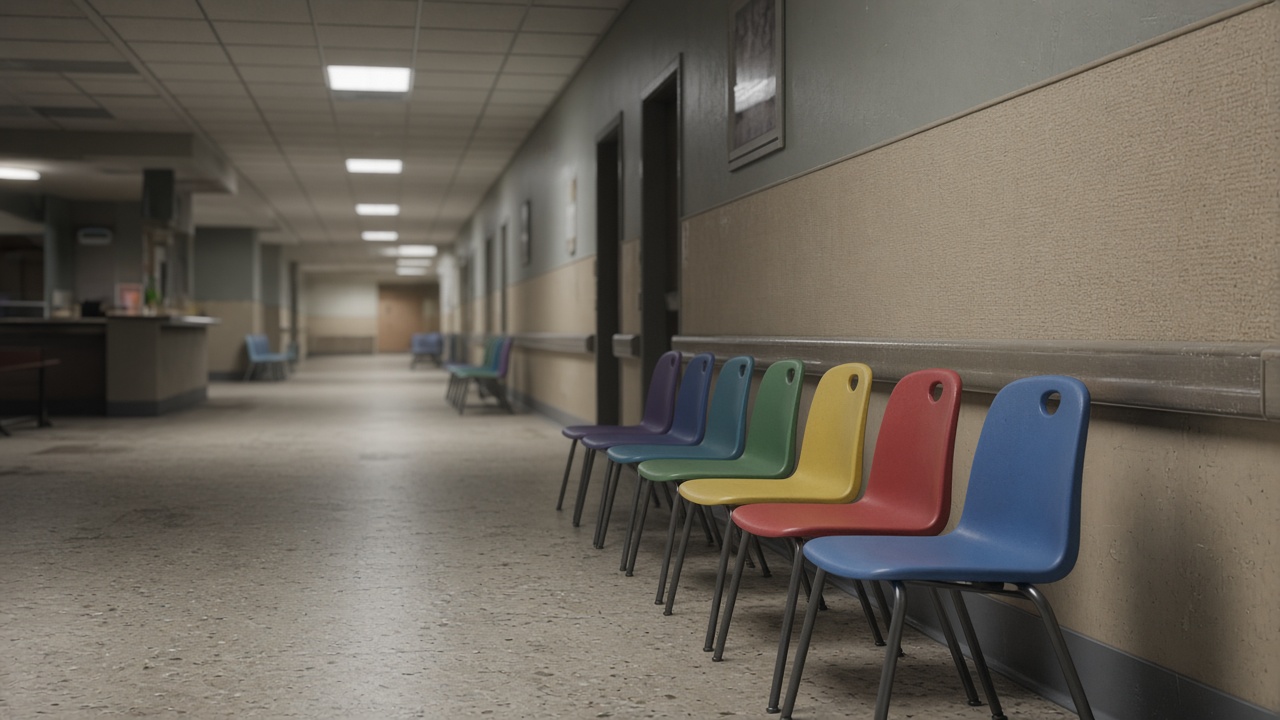
Saitama Red Cross Hospital added a nighttime intake lane for children with respiratory syncytial virus symptoms after Silver Week travel pushed RSV-positive swabs above last autumn’s baseline in northern Greater Tokyo, according to prefecture surveillance released Monday. The lane operates from 8 p.m. to midnight through October 15, staffed by pediatric nurses and a rotating hospitalist.
Why nights matter
Primary care clinics close at 6 p.m.; parents of wheezing toddlers often default to emergency rooms that lack pediatric subspecialists overnight. Saitama’s lane triages low-risk cases to dedicated observation bays with humidified oxygen, reserving full ER resuscitation bays for infants under three months or children with dehydration. Hospital officials said Monday’s first shift handled eleven walk-ins, seven discharged before 1 a.m.
Epidemiology
NIID’s infectious disease weekly report showed RSV detections rising in Saitama, Gunma, and Ibaraki prefectures after holiday gatherings. The virus spreads through droplets; masks are optional in most schools but absenteeism notices climbed last week. Vaccines for older adults exist; pediatric prevention still relies on hygiene and keeping sick siblings home—easier said than done for dual-income households returning to work Tuesday.
Capacity planning
The hospital redeployed nurses from elective surgery prep areas rather than hiring agency staff, citing budget caps before fiscal year-end. If volumes exceed twenty nightly visits, administrators will open a second wing previously used for COVID isolation. Prefecture public health offices list alternate clinics on a bilingual website updated hourly.
Parent guidance
Officials ask families to call the lane hotline before driving when children can drink fluids and speak in full sentences—criteria that keep cars out of crowded lots. High-risk infants should still use ambulances. The lane does not stock palivizumab prophylaxis; neonatologists handle that by appointment.
Outlook
RSV season typically peaks by December. Saitama’s experiment may become a template for Chiba and Tokyo wards if NIID declares a regional alert. For tonight’s shift workers picking up kids from grandparents after Silver Week, the practical news is a shorter wait in a room painted for children rather than a general ER television tuned to midnight news.
Coordination with clinics
Nearby pediatric practices agreed to accept morning follow-ups for children stabilized overnight, reducing duplicate swabs. The hospital faxed algorithm cards to clinics listing when to refer back to the lane versus standard ER.
Staff wellbeing
Nurse managers scheduled four-hour blocks with mandatory breaks because overnight pediatric surges historically drive attrition. Union representatives signed off on temporary shift premiums funded from contingency reserves.
Supply chain
Pharmacy cooperatives staged albuterol nebulizer solution near the hospital after wholesalers reported tight inventories in northern Kanto. Prefecture officials asked families not to hoard inhalers after social posts claimed shortages.
Transport access
Hospital shuttles from Omiya Station run later during the lane pilot so parents without cars can reach intake windows without taxi surcharges.