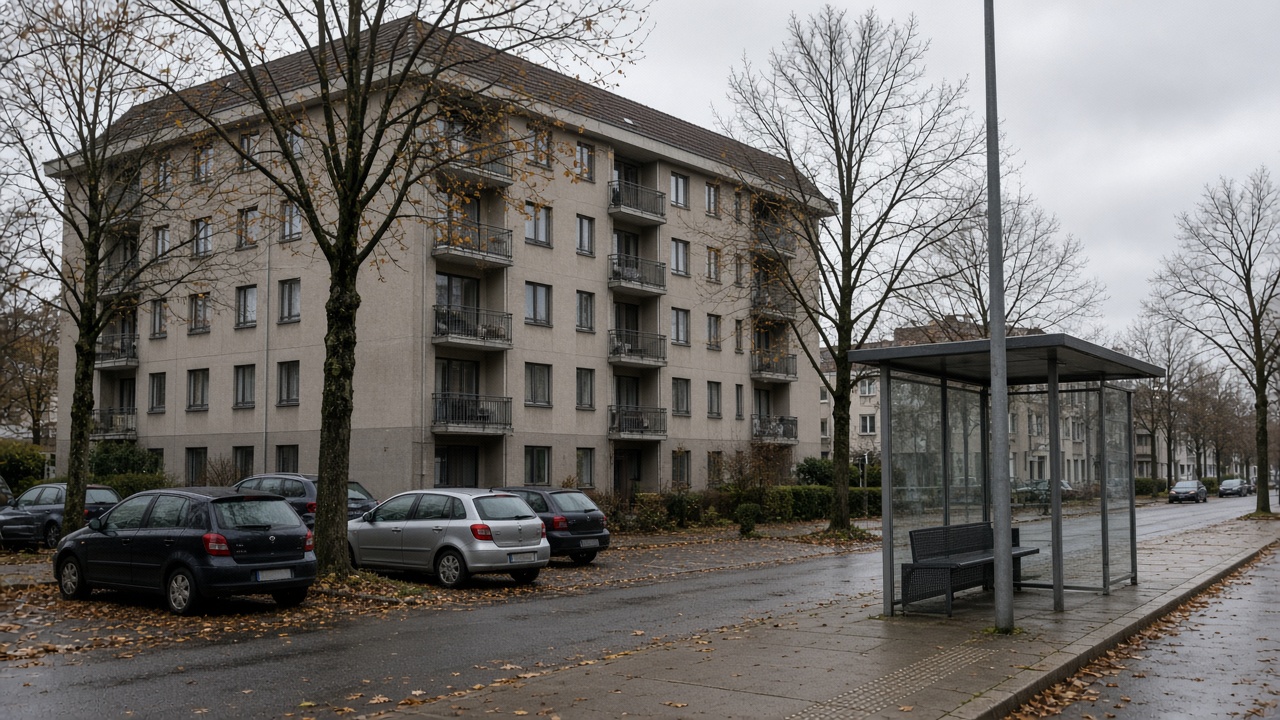
A bloc of teal-aligned lower-house members circulated a draft middle-suburb density code on Tuesday that would let councils approve six-storey apartment mixes within 800 metres of tram or train stops meeting minimum headways, according to a policy brief shared with crossbench senators.
Core provisions
The draft ties height limits to published service intervals rather than vague “activity centre” labels. Developers could build mixed-income projects without separate state planning appeals if they meet design standards on setbacks, shadowing and tree canopy replacement. Affordable units would count double toward council housing targets under the federal incentive package now before the Senate.
Supporters said the code gives middle-ring suburbs a predictable path to add dwellings without repeating the tower battles that polarise inner cities. Critics in some councils argue six storeys still overwhelm heritage streetscapes unless basement parking rules change.
Parliamentary strategy
The teals are negotiating with the Greens and independents on amendments to the government’s housing accelerator bill. Their pitch: accept federal funding for social housing in exchange for binding model codes states can adopt voluntarily but with grant top-ups.
State reactions
New South Wales planning officials said existing transport-oriented development policies already cover parts of the proposal, while Queensland ministers warned against Canberra dictating local character rules. Victorian Labor MPs welcomed headway-based triggers, noting Melbourne’s renewed level-crossing removals create new frequent corridors.
Whether the code survives committee stage depends on whether the government accepts enforceable metrics or insists on aspirational “best endeavour” clauses. For renters in middle suburbs, the difference is whether planning certainty arrives this term or after another round of advisory panels.
Design standards detail
The draft code specifies minimum balcony depths, communal laundry ratios, and acoustic ratings for apartments facing arterial roads. Architects said the standards borrow from Victorian mid-rise guidelines but add explicit tree-replacement formulas when mature street trees are removed.
Community housing providers welcomed affordable-unit multipliers, arguing they could stack federal grants with state land releases if councils adopt the model code quickly. Private developers said headway triggers reduce litigation compared with subjective character assessments.
Risks and trade-offs
Opponents in low-density electorates may campaign against six-storey envelopes even with transit tests. Teal MPs counter that inaction preserves sprawl that locks in car dependence and higher municipal infrastructure bills for ratepayers.