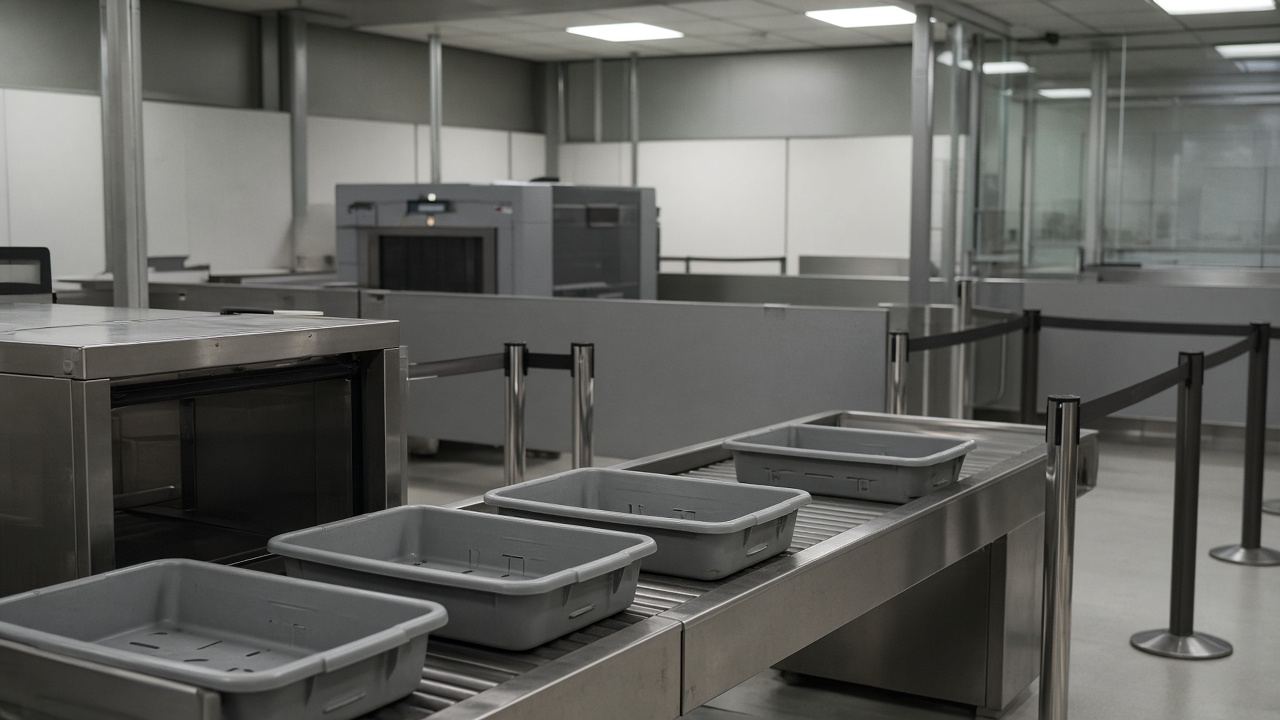
Thanksgiving flyers booked before Congress passed a September continuing resolution still face a second funding cliff on Dec. 11, when the stopgap that kept TSA and FAA operations funded expires unless lawmakers enact full-year appropriations or another extension. Industry groups warn that repeating unpaid-work rules for security screeners and air traffic controllers during peak holiday travel could reproduce hour-long checkpoint delays and FAA-mandated flight reductions seen during the record 43-day shutdown last fall.
Why December matters more than October
President Trump signed a continuing resolution Sept. 2 that funded the government through Dec. 11, averting an Oct. 1 lapse that dominated headlines in mid-September. Travel analysts note the fix is temporal: appropriations committees have not finished fiscal 2027 bills, and aviation-specific pay guarantees remain in legislative limbo. The U.S. Travel Association and Airlines for America said the CR merely postpones the structural problem—essential aviation workers can still be required to work without paychecks if funding stops.
During the 2025 shutdown, TSA unscheduled absences more than tripled at some airports, PreCheck lanes closed intermittently, and the FAA ordered airlines to cut schedules up to 10% at 40 hubs as controller staffing thinned. A February 2026 Homeland Security-only lapse added Global Entry suspensions and renewed fears that PreCheck could be sidelined.
Planning moves for November trips
Travelers with Thanksgiving departures should build buffer time now rather than react to congressional votes the week of the holiday. Airlines for America recommends monitoring airline apps for waiver policies, though carriers are not obligated to rebook free of charge for government staffing shortages unless they publish flexible-change rules.
Enrollment in TSA PreCheck or CLEAR remains worthwhile because dedicated lanes historically stayed open longer than general queues during past lapses, though February’s fight showed even PreCheck is not guaranteed. International travelers should separate Global Entry interviews from tight domestic connections; Customs and Border Protection funding tracks different appropriations lines that can split from TSA during partial shutdowns.
Regional exposure
Hubs that suffered the worst call-out spikes—Houston Hobby, Newark, and New York JFK during weather stress—remain sensitive because local living costs make unpaid work especially painful for screeners earning entry-level federal wages. Regional carriers operating FAA Essential Air Service routes may see disproportionate cuts if the agency again orders percentage reductions.
Congress could pass another CR in December, fund agencies for the full year, or stumble into a lapse. Travelers cannot control that vote, but they can control itineraries: avoid last-flight-of-the-night connections through congested hubs the week after Dec. 11, download boarding passes before leaving for the airport, and budget an extra 60–90 minutes for security if budget news turns negative mid-November.