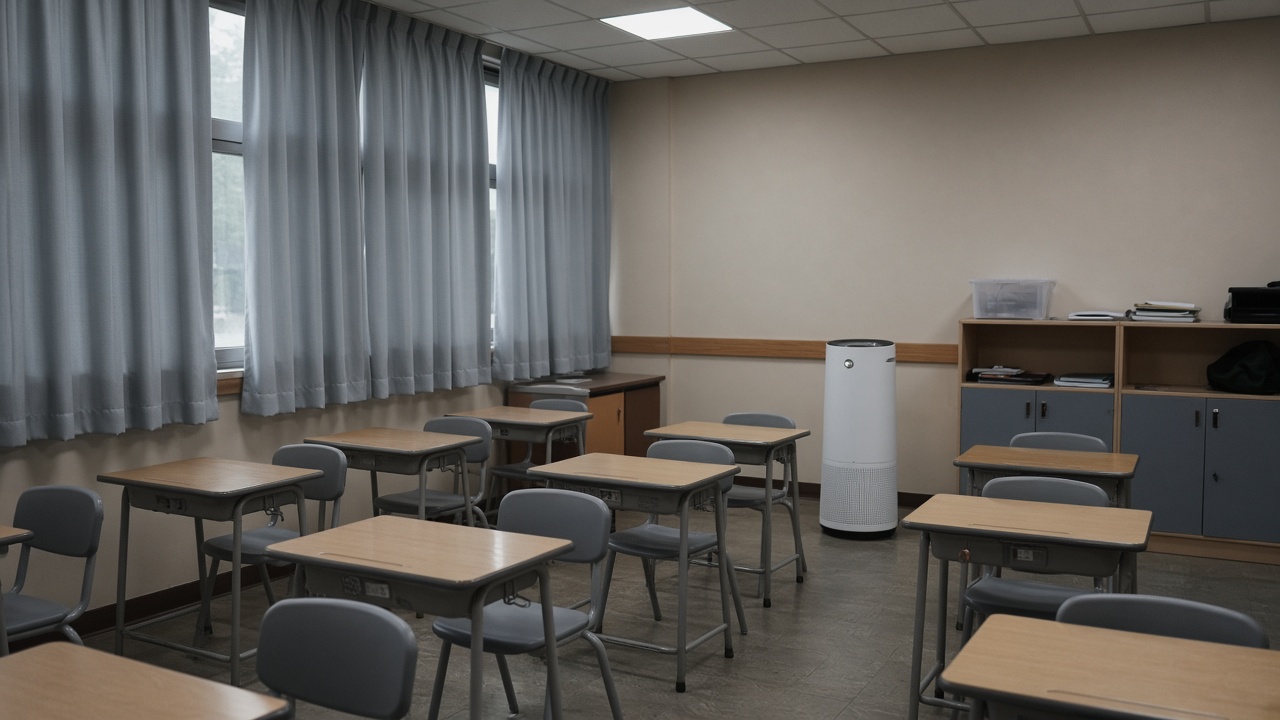
Singapore's 24-hour Pollutant Standards Index entered the unhealthy band in all five regions on 29 September, and the Ministry of Education told schools to keep campuses open while scaling back outdoor physical education and hosting national exam candidates in air-conditioned rooms with purifiers when required.
The National Environment Agency forecast high-moderate to mid-unhealthy readings to persist as smoke from fires in southern Sumatra and Kalimantan rode easterly winds toward the island. Central region PSI touched 158 at 7 a.m. Tuesday before other sectors crossed the 100 threshold through the morning.
What the Haze Task Force activated
Agencies under the 28-member task force reissued advisories used since the first unhealthy reading in early September. Community centres prepared air-conditioned rooms if PSI exceeds 200, the very unhealthy band, while schools followed Ministry of Education protocols for recess and physical education. Outdoor national service training units received Mindef guidance to reduce strenuous drills when hourly PM2.5 bands rise.
Every primary, secondary, junior college and special education classroom already has purifiers installed after prior haze seasons. Early childhood centres under the Early Childhood Development Agency use the same thresholds. Parents Gateway messages from schools such as Raffles Girls' Primary on 15 September show the pattern: more indoor breaks, medication reminders for asthmatic students and teacher escorts for pupils who feel unwell.
Exams and clinics
Task force statements say national examinations proceed on schedule with candidates seated in enclosed, purified rooms when air quality is unhealthy. Rescheduling happens only if a school closes outright, a step reserved for hazardous readings or localised incidents. Ministry of Health clinics asked residents with heart or lung conditions to reduce outdoor exertion and seek care if they develop persistent cough or chest tightness.
Polyclinics reported higher visit rates during prior September haze days; pharmacists remind patients to carry rescue inhalers even for short walks between MRT stations and offices. N95 masks are not required for brief commutes, NEA said, but hours-long outdoor work should trigger masks when PSI climbs toward the very unhealthy range.
Forecast for the rest of the week
NEA noted scattered showers on 30 September would not fully wash out haze because fire-prone areas in Indonesia remained dry. Commuters should check one-hour PM2.5 bands before lunch runs and use 24-hour PSI forecasts when planning weekend outdoor events. Employers with warehouse or port staff should rotate outdoor shifts when hourly readings spike even if the daily average looks moderate.
Air quality improvements depend on fire suppression south of the equator, not just local rain. Until NEA lifts the advisory band, schools will keep purifiers on high and sports co-curricular activities on indoor timetables.