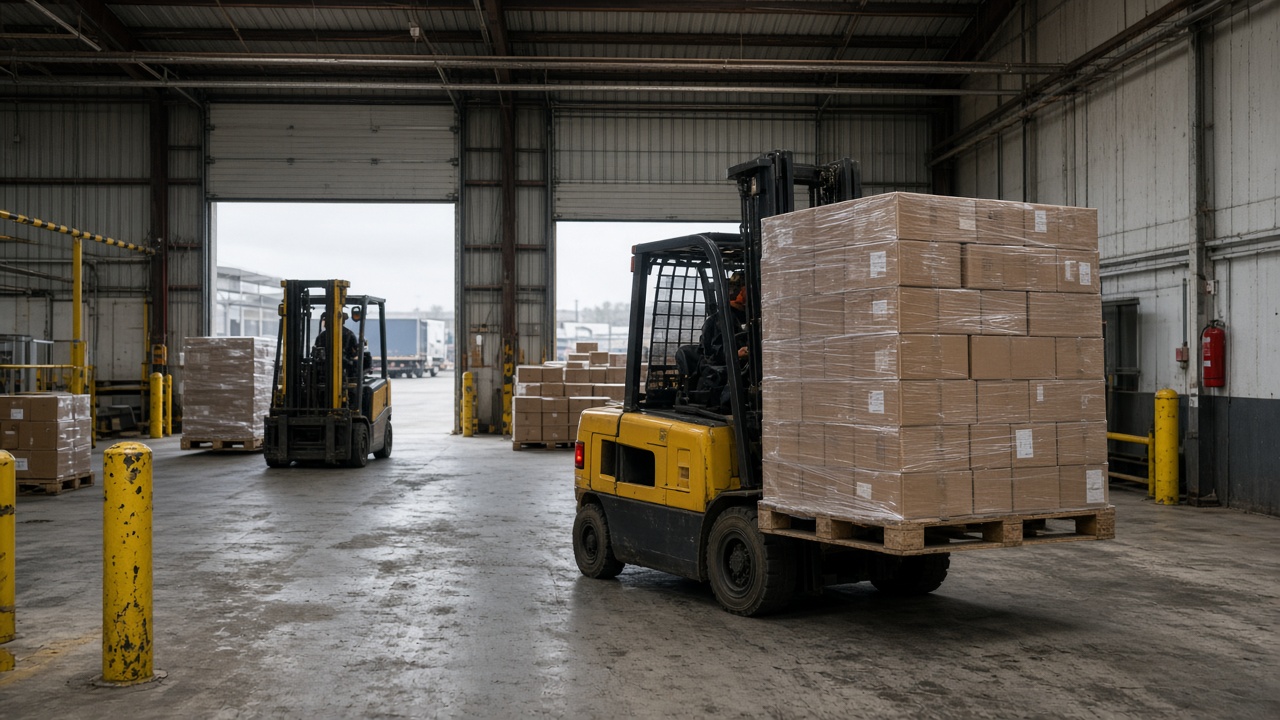
Metcash kept group wholesale margins flat in the September trading update while lifting fuel-linked distribution surcharges on independent supermarkets, pushing higher transport costs toward IGA shopkeepers who set their own shelf prices.
The ASX-listed distributor said Tuesday that its Campbells & Convenience and food wholesale networks absorbed Middle East-linked diesel increases through a transparent cents-per-carton levy rather than widening internal margin targets. Chief executive Doug Jones told the AGM briefing that independents accepted the pass-through because Metcash published the surcharge tables alongside lane-by-lane freight benchmarks, avoiding the opaque freight resets that triggered a supplier dispute in Western Australia two years ago.
What changed on invoices
From 15 September, Metcash applied a two-tier fuel adjustment on ambient grocery pallets leaving its NSW and Queensland distribution centres. Stores within 150 kilometres of a DC saw a 42-cent per carton add-on; longer-haul IGA operators in regional NSW and far-north Queensland faced a 78-cent charge tied to Ampol wholesale diesel quotes. The levy sits outside negotiated wholesale margin percentages, which Metcash said remained within the 2.1 to 2.3 per cent band it guided at the April year-end.
Multiple Store Owners including Drakes and Ritchies confirmed they would itemise the surcharge on weekly statements so franchisees could trace costs to individual delivery runs. A Brisbane-based IGA operator with three stores said she raised shelf prices on long-life milk, tinned tomatoes and laundry powder by between 10 and 25 cents last week, matching the invoice lines rather than running a blanket mark-up.
Why margins look steady
Metcash’s food pillar still benefits from the Superior Foods integration and the Ampol Foodary supply contract, which spreads fixed warehouse costs across petrol-convenience volumes. Jones said tobacco foot-traffic declines continued after the July plain-packaging transition, but fresh-category participation in the DSA renewal program offset part of the lost basket size. Hardware and liquor wholesale units reported low-single-digit growth, letting the group keep EBIT guidance unchanged despite the fuel shock.
Analysts at Jarden noted that Metcash historically recovers fuel spikes within two quarters because independents lack alternative national wholesalers at comparable SKU depth. They warned, however, that another RBA rate increase would squeeze working capital for smaller operators who finance inventory through trade creditors and card terminals.
Consumer impact
Shopper research firm NielsenIQ reported that promotional depth at large-chain supermarkets widened in the fortnight after the Reserve Bank’s September rate rise, while IGA networks leaned on targeted catalogue drops. Metcash said more than 400 large-format IGAs added extra promotional SKUs in September to defend against Woolworths and Coles end-of-financial-year campaigns.
For households, the practical effect is staggered: metro stores with shorter freight legs see smaller weekly grocery drift, while remote communities already paying premium freight on chilled goods face compounding pressure. Metcash executives said they would review the surcharge schedule monthly and remove it if national diesel averages fall 8 per cent below the September baseline for six consecutive weeks.