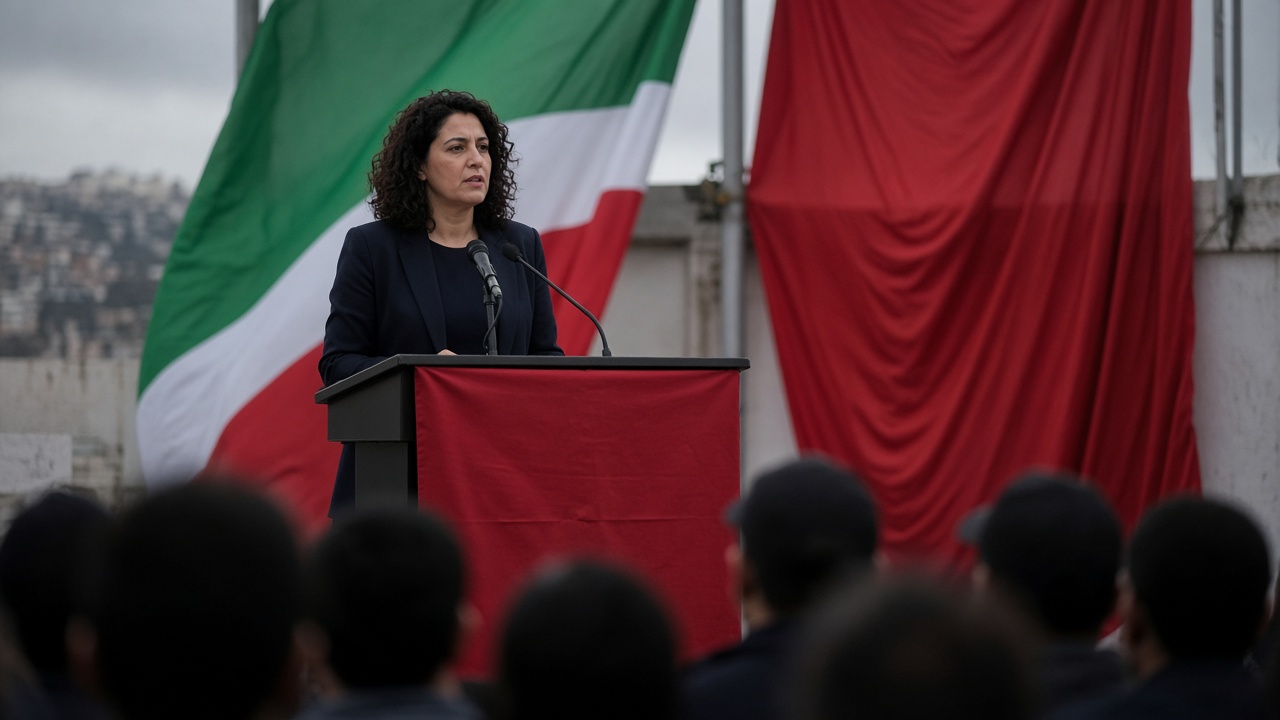
King Mohammed VI appointed Urban Planning Minister Fatima Zahra Mansouri as Morocco's prime minister on Tuesday, making the 50-year-old lawyer and former Marrakech mayor the first woman to lead the kingdom's government.
What the palace announced
The Royal Palace said Mansouri was tasked with forming a new cabinet four days after parliamentary results showed her Authenticity and Modernity Party, or PAM, finishing first among competing lists. Mansouri had retained the urban planning portfolio while serving as mayor of Marrakech until the nomination.
PAM's victory was narrow in a fragmented field: about one million of 15.8 million registered voters backed the party, according to figures cited by international media after the count. Morocco's electoral rules make single-party majorities rare, so the next government will almost certainly rest on coalition talks rather than a standalone PAM mandate.
Historic first, familiar constraints
Mansouri becomes only the second woman to serve as prime minister in the Arab world, after Tunisia's Najla Bouden. In Morocco, executive power still flows from the monarchy; the prime minister negotiates day-to-day policy within a political system where the king remains the ultimate arbiter on major decisions.
That structure did not change with Tuesday's appointment. What did change is the face of the office at a sensitive moment: the election was the first since deadly youth-led protests last year and tensions around migration through Ceuta last July, issues that featured in campaign debates about jobs, public services, and trust in institutions.
Coalition math comes next
PAM leaders have said they are willing to work with other parties, but several rivals have already ruled out joining a PAM-led cabinet. The moderate Islamist Justice and Development Party and the left-wing Federation of the Democratic Left have signaled they intend to stay in opposition, which narrows Mansouri's path to a stable majority in the House of Representatives.
Analysts in Rabat expect weeks of bargaining over portfolios, especially economic ministries that touch foreign investment, tourism, and agricultural exports. Mansouri's background in municipal government and urban planning may help on infrastructure and housing pledges, but she will need partners to pass a budget and staff security agencies that answer both to parliament and the palace.
What outsiders are watching
European capitals that rely on Morocco as a migration and border-security partner will track whether the new government accelerates economic reforms tied to EU trade talks. Domestically, activists who organized last year's protests are likely to measure Mansouri against promises on youth unemployment and police accountability, even as they acknowledge the symbolic weight of a woman holding the premiership for the first time.
The king's choice ends the immediate uncertainty over who would receive the nomination after the vote. It opens a second, messier phase: translating an electoral plurality into a working government before the new chamber turns to fiscal and social legislation in earnest.