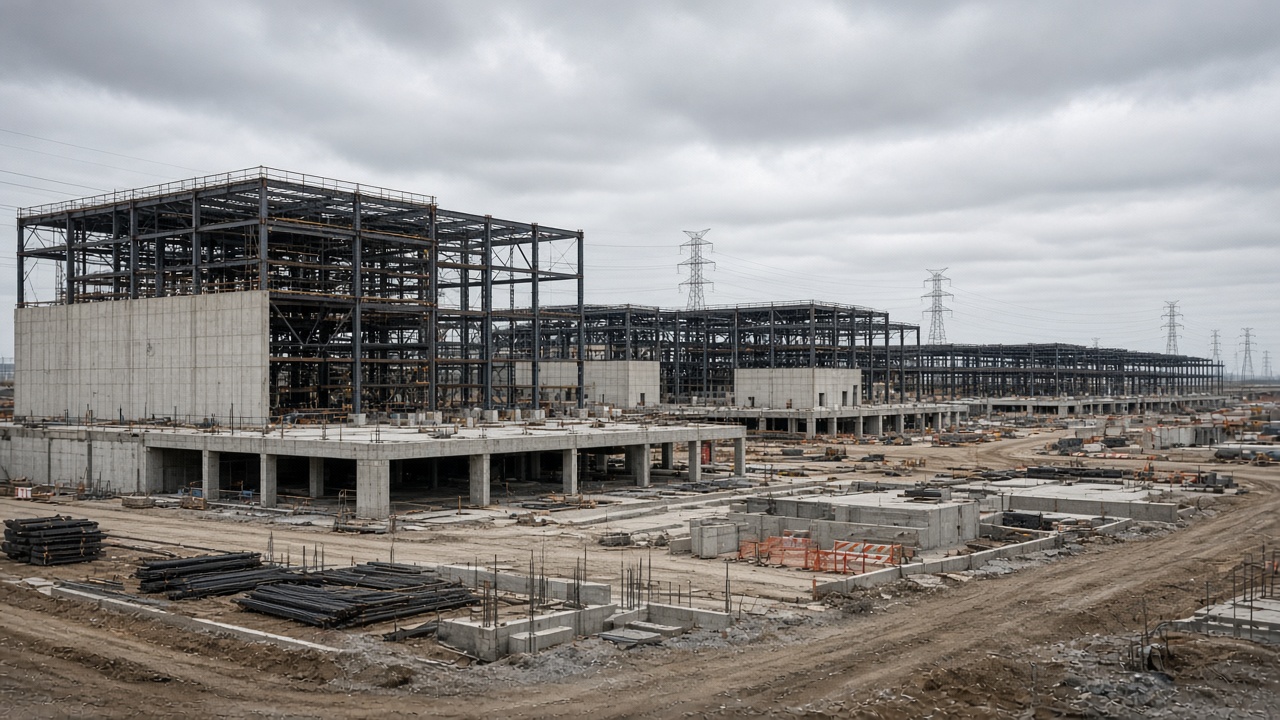
Samsung Electronics and five other Samsung affiliates committed a combined $1 billion on Sept. 29 to Helix Digital Infrastructure, the KKR-launched company that bundles hyperscale data centers, power generation, and fiber networks for AI tenants. Samsung Electronics will put in $500 million; Samsung C&T, Samsung SDS, Samsung SDI, Samsung Life Insurance, and Samsung Fire & Marine Insurance will fund the rest.
Helix opened in June 2026 with anchor backing from KKR, the Kuwait Investment Authority, Nvidia, and U.S. power producer Vistra. The firm pitches itself as a single coordinator for hyperscalers that need data-center capacity, baseload and flexible power, and long-haul connectivity at the same time. Former Amazon Web Services chief Adam Selipsky leads the company, which has said its strategy already carries more than $10 billion in long-duration capital commitments.
Why Samsung spread the check across six names
For Samsung Group, the check is as much about internal wiring as it is about equity upside. Samsung Electronics supplies accelerators, memory, and cooling know-how; Samsung C&T brings construction and project delivery; Samsung SDS runs data-center design and operations and has pushed into GPU-as-a-service; Samsung SDI contributes energy-storage hardware that can sit beside generation assets Helix wants to pair with campuses. The two insurers add balance-sheet depth in a business that will live on 15- and 20-year contracts.
Samsung’s newsroom framed the deal as a step beyond selling components into co-developing AI infrastructure. That language matches what hyperscalers have been asking for: vendors that can answer questions about rack density, liquid cooling, on-site power, and grid interconnection in one conversation rather than five.
What Helix is building
Helix’s public materials describe an integrated stack—hyperscale shells, generation and transmission, and fiber—aimed at cutting the calendar time between land acquisition and “first token” on new AI factories. Nvidia’s role includes aligning deployments with DSX AI factory designs so wattage turns into usable throughput. Vistra is positioned as preferred power provider across its U.S. fleet. KKR supplies the infrastructure investing platform that has backed CyrusOne, MetroNet, and other digital assets.
The Samsung commitment does not, by itself, name a site or megawatt count. It does signal that a Korean industrial conglomerate is willing to co-invest alongside financial sponsors and a chip supplier that is also a strategic partner to many of the same cloud buyers Helix courts.
Competition and timing
AI infrastructure fundraising has crowded since 2024, but power and permitting bottlenecks have made integrated developers more attractive than bare land plays. Helix enters a field where utilities, states, and hyperscalers negotiate simultaneously on interconnection queues, water use, and labor. Samsung’s participation may help Helix pitch Asian manufacturing discipline and component supply chains when bidding outside the United States as well.
Investors will watch whether the Samsung money is drawn quickly into specific campuses or sits as flexible co-investment capacity. They will also watch how openly Helix shares return hurdles with public-market investors in KKR, Nvidia, and Vistra, each of which already discloses AI-related capex trends.
What changes for Korea
At home, Samsung SDS has marketed low power-usage effectiveness at facilities including the Korea AI Computing Center. Tying those operating lessons to a global developer could give Korean enterprises a reference architecture if Helix ever partners on domestic capacity, though Tuesday’s release emphasized global rollout rather than a named Korean site.
For Seoul policymakers tracking export controls and overseas chip investments, the Helix stake is another line item in Samsung’s AI balance sheet alongside memory capex and foundry spending. The bet is that owning a slice of the dirt, wire, and turbines—not just the silicon inside the hall—will matter when the next wave of model training clusters is priced.
Financing and governance questions
Because Helix is privately held, Samsung will not file the same quarterly disclosure it provides for listed subsidiaries. Investors in Samsung Electronics will infer returns from capital calls, impairment lines, and any future announcements of operational milestones such as grid interconnection agreements. KKR’s infrastructure funds typically recycle capital after stabilizing assets, so the Samsung check may function partly as co-investment alongside limited partners rather than as permanent strategic equity.
Nvidia’s dual role—as Helix investor and equipment vendor—also invites scrutiny from customers worried about bundled deals. Samsung’s memory division sells HBM and DRAM into the same hyperscalers Helix courts, which means Chinese wall procedures inside the group will matter if procurement teams negotiate both chips and real estate in one conversation.