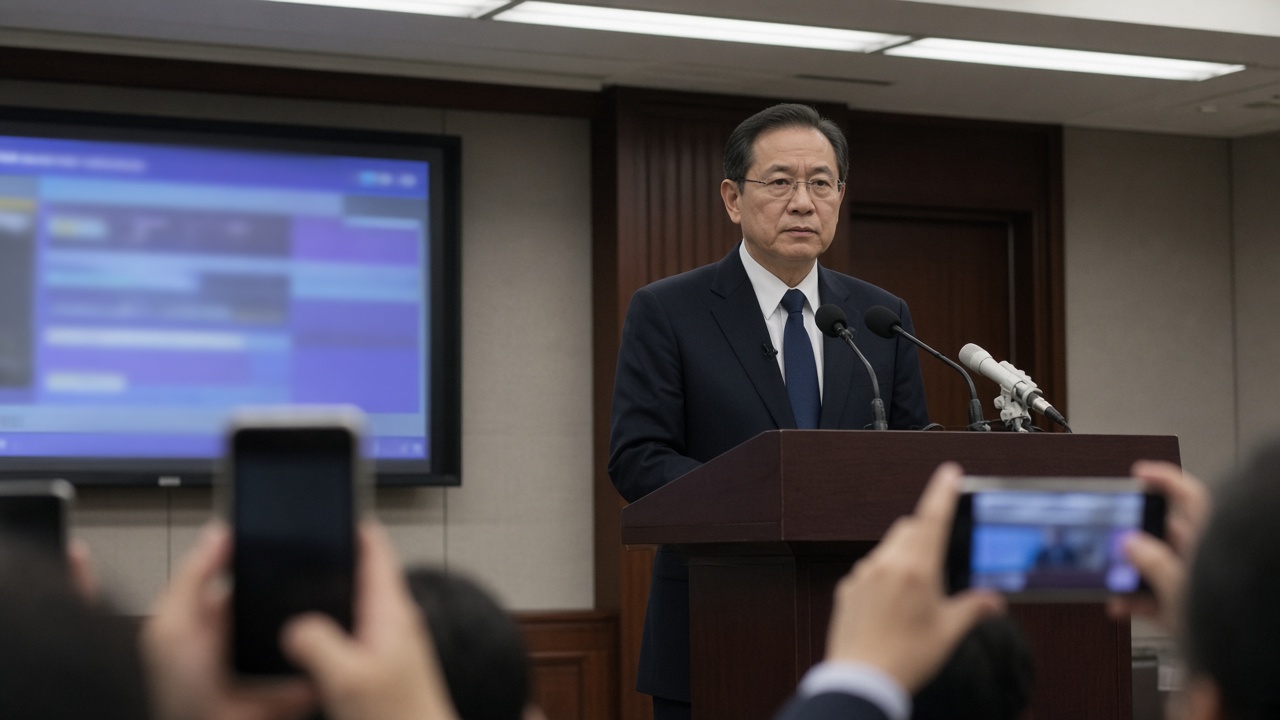
Singapore's competition watchdog took enforcement action Wednesday against a digital marketing firm that sold fabricated online reviews and against 45 businesses that bought them, in what the agency called its largest fake-review investigation to date.
Who CCS named
The Competition and Consumer Commission of Singapore said Julian Tung Yan Kai, director of Reputifly, admitted to aiding unfair trade practices by generating review text, recruiting posters, and paying people to publish ratings that looked organic. Websites operating as BuyReviewSG and GetReviewSG were part of the operation, according to the commission.
Roughly 100 businesses were caught up in the probe. In the first phase covering 47 companies, 45 admitted purchasing fake reviews from Reputifly. The remaining two declined to offer formal undertakings to CCS. A second phase will examine the rest of the customer list and any additional providers.
What buyers must do now
Businesses that admitted wrongdoing committed to stop buying fake reviews, identify and remove fraudulent posts on platforms such as Google and Facebook, strengthen internal compliance, and report progress to CCS. They must also publish a prominent public apology for six months on their websites, social media accounts, and physical premises.
Reputifly itself must stop offering fake-review services, post its own six-month apology on its site, and donate proceeds from the service to a registered charity, the commission said. CCS did not release a dollar figure for those proceeds on Wednesday.
How the scheme worked
According to CCS and local media accounts of the investigation, the provider used artificial intelligence tools to draft plausible review language, then recruited individuals through Telegram channels to post the comments. The goal was to inflate star ratings for restaurants, hair salons, and other consumer-facing firms that compete heavily on mobile search results in Singapore.
Fake reviews distort price and quality signals for households deciding where to eat or which clinic to book. CCS framed the crackdown as consumer-protection work, not merely a technical terms-of-service dispute with platforms.
Why regulators say it matters
Online ratings function as a public ledger of service quality in a city where word-of-mouth still spreads through WhatsApp groups and neighborhood forums. When stars are purchased, small honest operators can lose visibility to competitors that never earned the feedback.
CCS warned that additional businesses may face action as phase two proceeds. Platform operators were not parties to Wednesday's undertakings, but the commission's release noted that removed reviews must be documented so investigators can verify compliance during the six-month apology window.
What consumers should watch for
Until removals are complete, shoppers may still see legacy fake posts on older listings. CCS asked the public to continue reporting suspicious review patterns through its consumer portal. For the 45 businesses now under undertakings, failure to scrub posts or maintain apologies could trigger further penalties beyond the voluntary commitments announced this week.