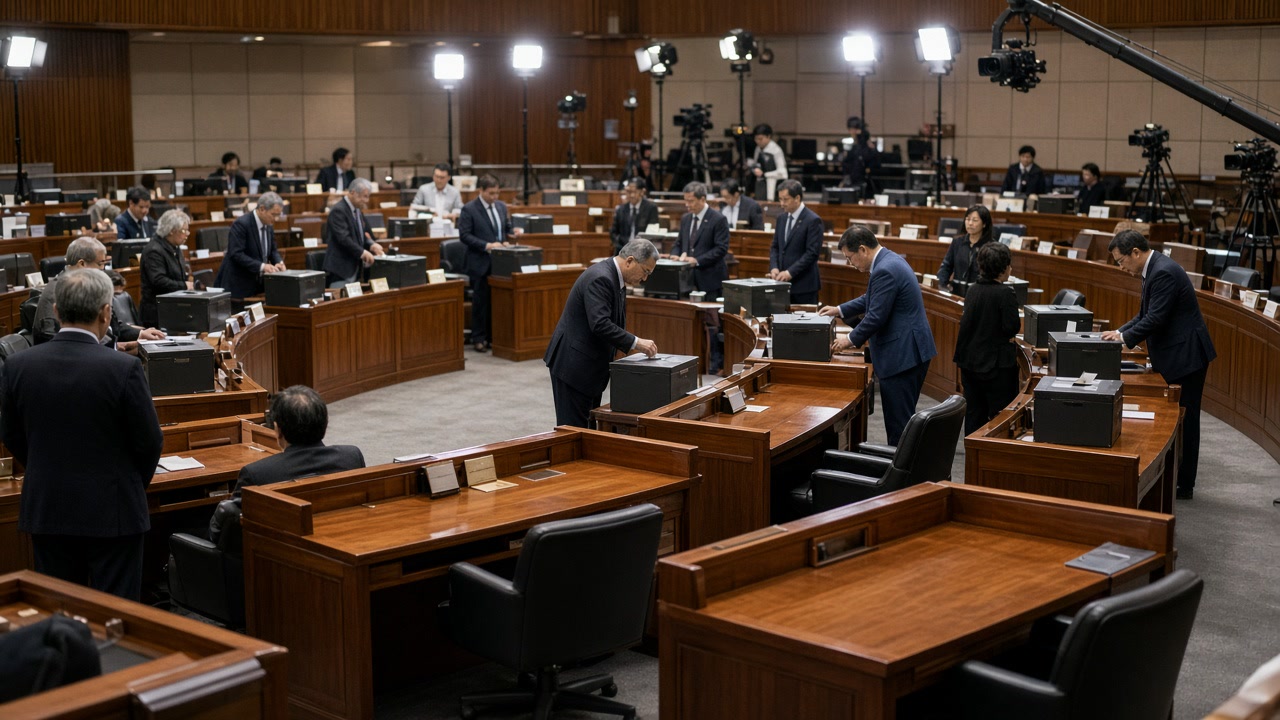
Taiwan’s legislature on Tuesday rejected every nominee for the Control Yuan in a single round of recorded votes, leaving the constitutional watchdog without a full complement for a third month. Opposition Kuomintang and Taiwan People’s Party caucuses combined to deny the 57-vote threshold all 27 candidates needed, including proposed president Chen Yung-hsin and vice president Wang Jung-chang.
How the vote unfolded
Lawmakers cast secret ballots on the floor after weeks of committee hearings that exposed deep splits over the Control Yuan’s powers and recent investigations. Presidential Office spokesperson Kuo Ya-hui said President Lai Ching-te respects the legislature’s authority but warned that stalled impeachment and human-rights casework hurts citizens who rely on the body to review complaints against public officials.
The Control Yuan issued a statement calling the outcome “deeply regrettable” and arguing that empty seats delay citizen petitions. Kuomintang caucus leader Fu Kun-chi told reporters the institution had focused too heavily on opposition figures, citing probes involving Taipei Mayor Chiang Wan-an’s family, while he said ruling-party cases received less attention.
What the opposition wants instead
TPP caucus whip Hung Yu-hsiang said monitors had lost public trust and that his party would keep pushing constitutional amendments to abolish the Control Yuan in a future reform committee. Democratic Progressive Party whip Chuang Jui-hsiung countered that the opposition blocked every nominee rather than negotiating replacements for individual slots.
Chen Yung-hsin, a physician nominated to lead the body, said after the vote that he had offered concrete reform plans and that voters would judge whether lawmakers chose delay over oversight. With no partial approvals, the seventh Control Yuan term remains entirely unfilled.
Immediate consequences
Without confirmed members, standing committees cannot convene legally binding sessions, and impeachment referrals from the legislature or public petitions sit in procedural limbo. The National Human Rights Commission, housed within the Control Yuan, also lacks a quorum to launch formal inquiries, though staff continue administrative work on existing files.
Committee clerks said the next step is for the presidential office to submit a fresh slate, but no filing deadline applies under the constitution, leaving the timing entirely to the executive.
Executive Yuan officials said budget execution and routine audits by the Audit Department continue, but political accountability cases that require Control Yuan votes will wait until a new slate is submitted. Lai’s office gave no timeline for renominations, signalling a likely replay of the standoff when the next list is sent to the floor.