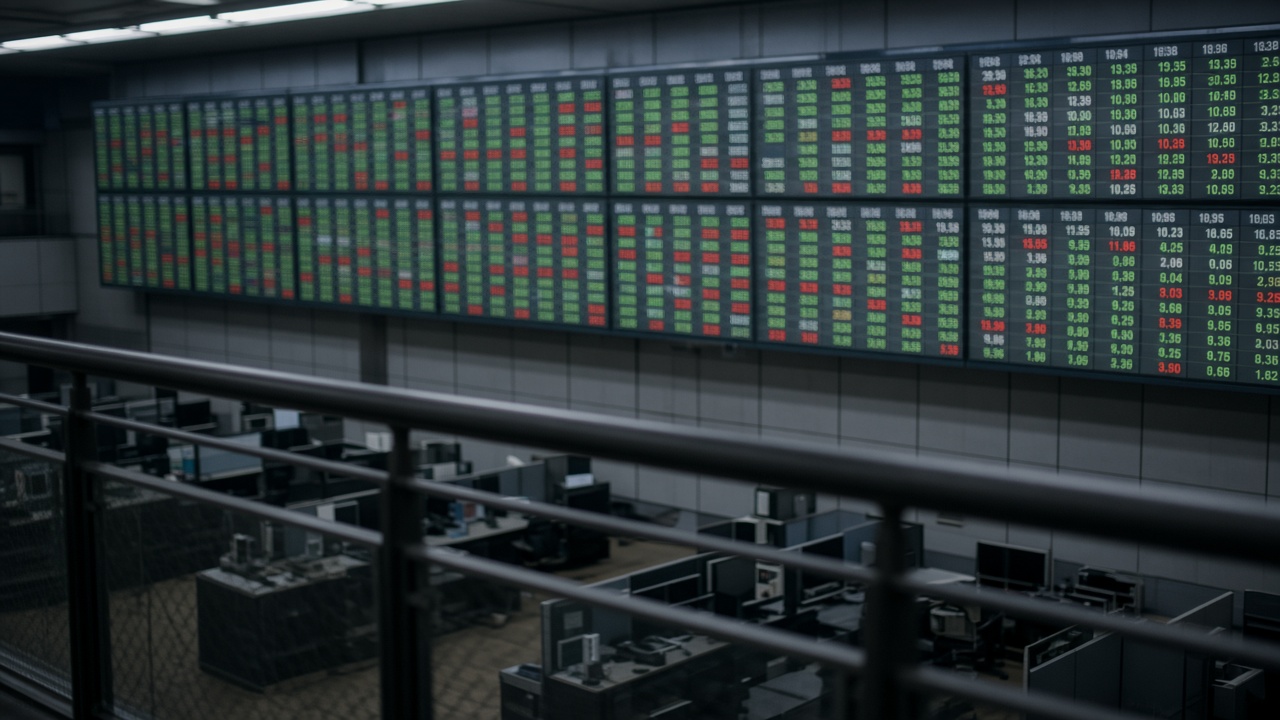
Tokyo insurance holdings and trading houses led TOPIX higher in Tuesday’s morning session while real-estate investment trusts surrendered part of Monday’s relief rally, as the 10-year Japanese government bond yield hovered near 3.10 percent following the Bank of Japan’s September policy rate increase. The split session illustrated how higher rates reward lenders and asset managers with bond portfolios while punishing developers that fund land purchases with floating debt.
Index movers
MS&CI Japan data showed financials adding the most points to TOPIX, with MS&AD Insurance Group and Tokio Marine Holdings advancing on expectations that investment income will climb as reinvestment rates rise. Mitsubishi Corp and Itochu Corp rose with oil and metals divisions pricing exports in dollars while funding costs in yen remain comparatively restrained after years of zero policy rates.
REITs that surged when the BOJ signaled gradual normalization snapped back as traders modeled higher refinancing costs on office towers with vacancy rates still elevated in parts of Osaka. Developers with large Greater Tokyo condominium pipelines fell in tandem, even as September new-home sales data from the Real Estate Economic Institute showed a modest month-on-month uptick in contract volumes.
Bond desk read-through
Primary dealers said Ministry of Finance auctions drew steady demand, but secondary trading stayed volatile around the 3.10 percent handle—psychologically important because it matches peaks seen during the 2008 crisis before the BOJ’s extended easing era. Life insurers, big holders of super-long bonds, reportedly extended duration slightly, betting the BOJ will not accelerate hikes while U.S. yields stabilize.
Regional banks, beneficiaries of wider net interest margins, outperformed megabanks on the Tokyo Stock Exchange Prime section. FSA monitoring continues on unrealized bond losses at smaller lenders; Tuesday’s price action suggested investors distinguish between institutions that hedged portfolios and those still exposed to mark-to-market swings.
Foreign flow snapshot
Exchange data released after the lunch break showed foreign investors net buyers of futures but net sellers of cash equities—a pattern desks attributed to macro funds rolling positions rather than long-only reallocations. Asset managers said pension clients asked for updated liability-driven investment models assuming 3 percent long bond yields, a level many Japanese schemes had not stress-tested in a decade.
Exporters outside the financial cluster were mixed: auto makers slipped on yen strength intraday, while chip equipment names held gains tied to AI server demand. The session was not a broad risk-on wave; leadership narrowed to rate-sensitive financials and diversified trading houses.
Real estate angle
REIT managers published investor letters warning that cap-rate expansion could outpace rent growth if 10-year yields stick above 3 percent through year-end. Office REITs with Nagoya exposure faced extra questions because Asian Games-related demand was temporary; residential REITs fared better on stable apartment occupancy in central Tokyo wards.
Condominium presales in commuter towns still attract domestic buyers using fixed mortgages, but developers’ shares trade on land-bank financing costs—which rose in Tuesday’s sell-off. Analysts at two domestic brokerages told InfoHandle they trimmed REIT overweight recommendations while keeping insurers at neutral, citing fair value after the recent rerating.
What to watch
BOJ speakers this week may clarify balance-sheet reduction pace; any hint of faster runoff could pressure long yields further. U.S. payrolls Friday remain the external anchor for yen crosses and exporter sentiment. For portfolio allocators, the lesson from Tuesday is that Japan’s rate cycle now discriminates sharply between financial beneficiaries and property-linked losers—a rotation that may persist into the October extraordinary Diet session when fiscal stimulus talk could jolt construction names again.