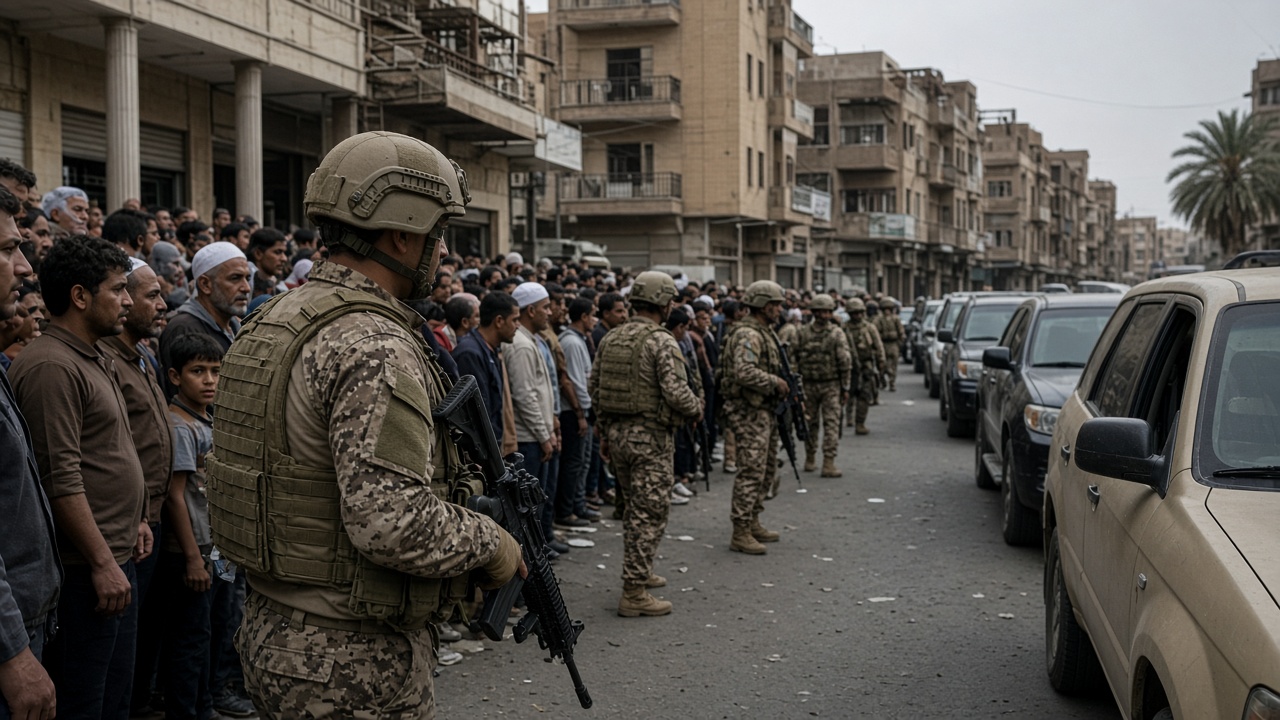
The United States closed its combat mission in Iraq on Wednesday, pulling the final troops from an airbase in Erbil and formally ending Operation Inherent Resolve more than twenty years after the invasion that toppled Saddam Hussein. Iraqi officials cast the day as a sovereignty milestone; analysts and many citizens asked whether security forces can hold the line without the intelligence, air support and training the coalition supplied.
What changed Wednesday
Reuters reported that the last departures centered on the Kurdish region base at Erbil, one of the remaining hubs for U.S.-led forces. Washington and its partners declared the anti-Islamic State campaign concluded even though sleeper cells and rural networks persist. The Pentagon said it will continue targeted training and intelligence sharing with Iraqi partners, but the on-the-ground troop presence that peaked after the 2014 Mosul crisis is gone.
Prime Minister Ali Faleh al-Zaidi said Iraq is entering a phase in which it assumes full responsibility for security and stability, adding that fighting terrorism does not end with the coalition flag. NPR described ceremonies in Iraq as a “day of sovereignty,” with commanders from both countries marking the withdrawal two decades after the 2003 invasion.
A timeline both parties own
The exit follows a 2024 agreement reached under President Joe Biden and executed under President Donald Trump’s administration. That sequencing matters politically in Washington and in Baghdad, where many voters wanted foreign troops out yet still associate American support with the fight that rolled back Islamic State after Iraqi units collapsed in Mosul in 2014.
More than 4,500 U.S. service members died in the Iraq war, according to Defense Department tallies cited by Reuters, and civilian casualty projects put Iraqi deaths in the six figures over the conflict. U.S. forces left once before, at the end of 2011, only to return when Islamic State seized roughly a third of the country.
Regional war and local risk
Iraq has been pulled into the wider U.S.–Iran war that escalated early this year. Reuters noted that seven of the eighteen U.S. deaths in Operation Epic Fury occurred in Iraq, including an army sergeant killed during the controlled detonation of a drone near Erbil in July. Iranian-backed militias and U.S. bases have traded fire even as Baghdad tries to balance ties with both capitals.
Tehran and its allies publicly celebrated the withdrawal as a win for the “axis of resistance,” while Iraqi security officials warned that militias could expand influence without a Western military counterweight. Retired Iraqi Army General Mohammed al-Jubouri told Reuters the critical test is whether institutions have a “Plan B” for surveillance and air defense, including against improvised drone threats.
What happens next
Western officials will watch three benchmarks: Islamic State attack tempo, militia pressure on Iraqi institutions, and whether intelligence sharing without garrisons is enough to prevent another 2014-style collapse. Teachers and analysts quoted in Baghdad said celebrations are premature if armed groups outside state control still shape daily life.
Congressional oversight in Washington is likely to focus on whether the training mission is funded and whether Iraq’s political bloc can keep Iran’s proxies from treating the withdrawal as an open field. For now, the fact is binary: the last U.S. combat boots left on a calendar day Iraq labeled its own, and the security outcome belongs to Iraqi forces alone.