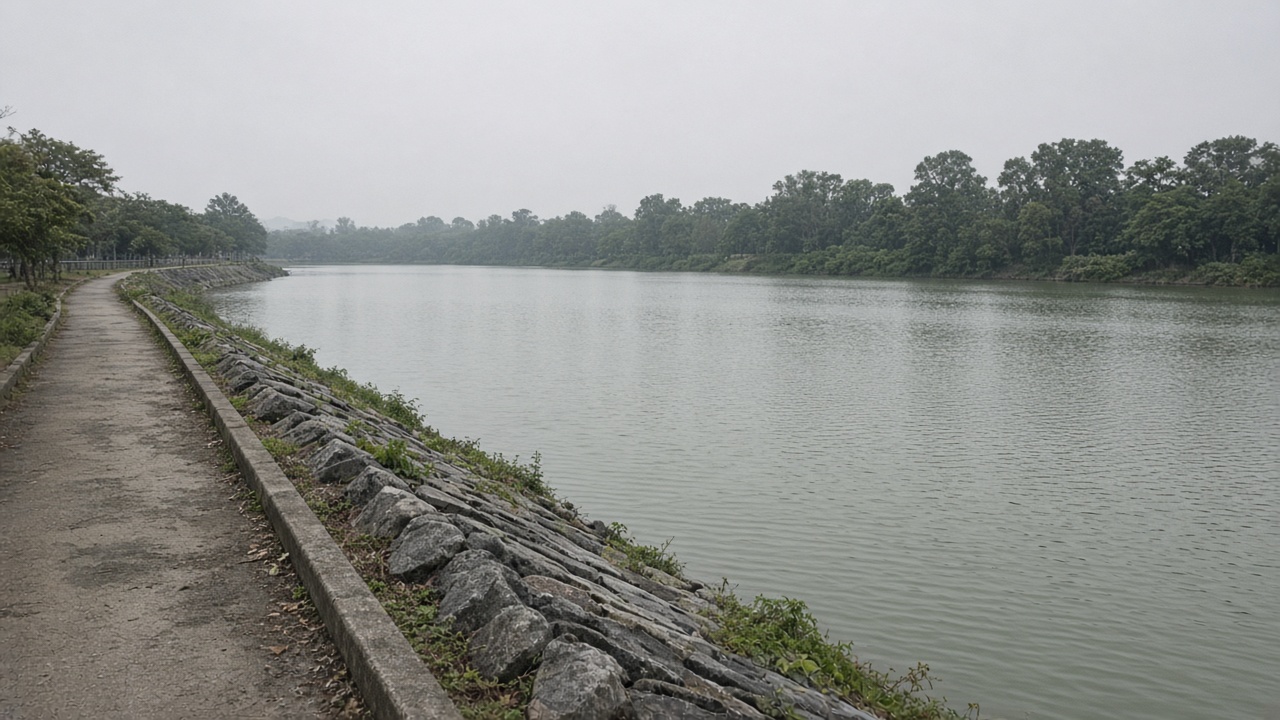
State Courts charged Myanmar national Ye Lin on 29 September after an AI-generated crocodile photograph led national water agency PUB and police to search Pandan Reservoir and suspend rowing and canoeing in August.
Ye Lin faces one count of communicating a false message and one count of obstructing the course of justice. Court documents allege he sent the fabricated image to another person on 20 August, triggering a public safety response along the reservoir's western shoreline.
What agencies did before charges landed
PUB told Channel News Asia it received a crocodile sighting report on 20 August and coordinated with the National Parks Board on search operations. The Singapore Rowing Association and Singapore Canoe Federation halted training on the water while officers swept the embankment. On 21 August, PUB said the photo was fabricated and that a police report had been lodged; sports bodies lifted the suspension once the all-clear was issued.
The obstruction count alleges Ye Lin deleted AI-generated images and Gemini app logs from his phone the next day. Investigators routinely treat destroyed logs as interference when digital evidence underpins public-safety deployments that pull rescue and wildlife units away from other calls.
Why a still image carried real costs
Large-language-model image tools can render plausible wildlife in local settings within minutes. A single share chain can bounce from a private chat to agency hotlines before anyone verifies metadata. Reservoirs already host occasional crocodile alerts from real animals; a fake that mimics those protocols forces the same drain on PUB boats, police search teams and volunteer coaches who must clear the water.
Communicating false messages carries penalties under Singapore's online falsehood statutes when the content is known or should be known to be untrue. The case returns to court on 10 November. Ye Lin has not entered a plea in media reports filed on 29 September.
What residents should do with wildlife tips
Agencies ask the public to send original photos with time stamps when reporting crocodiles or other hazardous wildlife, and to avoid reposting unverified forwards. ScamShield and police channels remain the route for malicious hoaxes once a sighting is shown to be manufactured. Rowers and kayakers should continue checking PUB advisories before launching, especially during haze weeks when visibility is already poor along the waterline.