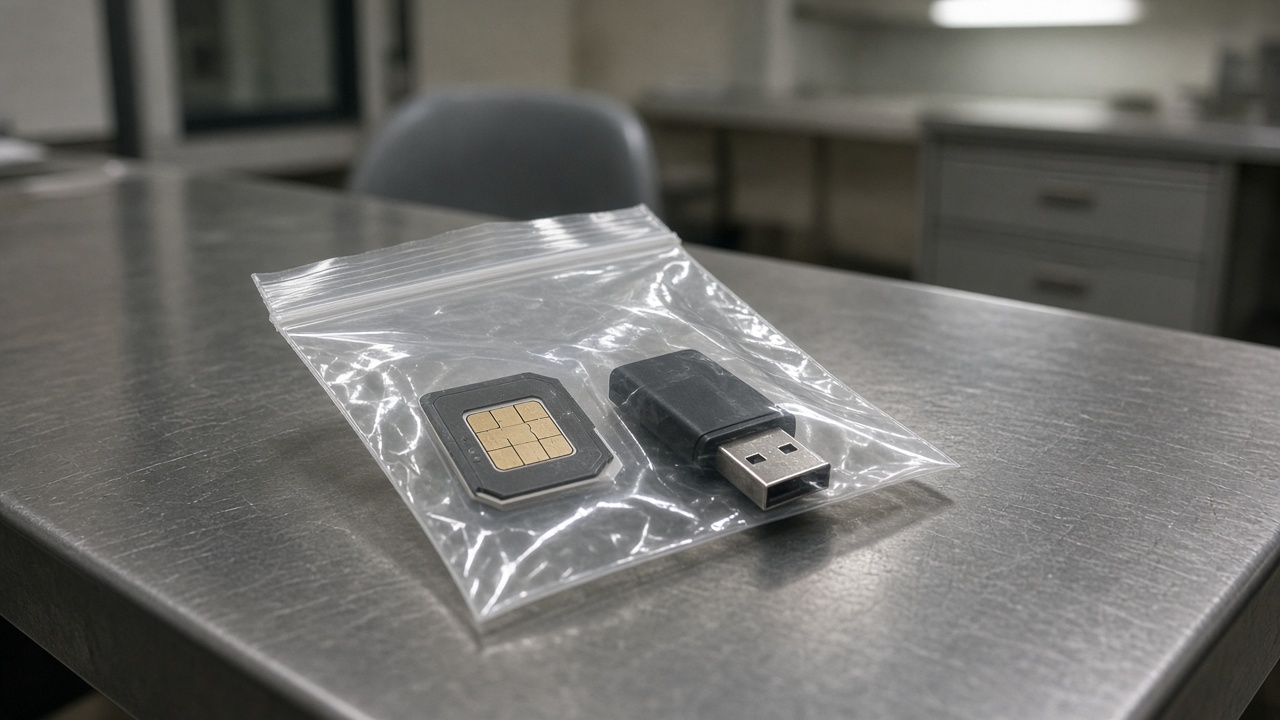
The Australian Federal Police charged three Queensland residents on Wednesday over an alleged SIM-swap ring that targeted self-managed superannuation fund trustees, bypassing SMS one-time codes to initiate rollovers totalling more than $1.2 million.
Investigators said the group convinced telco call centres to port mobile numbers to new SIMs, then logged into trustee portals that relied on SMS second factors without hardware keys. Funds were moved through cryptocurrency exchanges and remitters before being split across mule accounts in Brisbane and the Gold Coast.
How the scheme worked
According to court documents, victims received genuine-looking carrier texts hours before ports completed, warning of “planned maintenance” to reduce suspicion when mobile service dropped. Once attackers controlled numbers, they reset portal passwords and approved binding nominations to shell companies.
The Australian Taxation Office said it froze several downstream payments after anomaly detection flagged mismatched trustee names and unusually fast rollover chains. SMSF auditors told clients to enable app-based authenticators on carrier accounts and trustee portals where available.
Telco and regulator response
Major carriers reiterated that high-risk ports now require in-store ID checks for business accounts, but consumer SIM swaps remain a weak point when social engineering succeeds. The ACSC urged trustees to remove SMS-only two-factor authentication and to register port-lock PINs with carriers.
ASIC’s money smart team published a checklist for SMSF boards covering dual approvals on bank detail changes and callback verification to known numbers, not those displayed in emails.
Charges and next hearings
The three accused face multiple counts of obtaining financial advantage by deception and money laundering. They were granted conditional bail with surrender of travel documents and reporting requirements. AFP cyber commander statements said further arrests may follow as blockchain tracing continues.
For the thousands of Australians running SMSFs, the case is a reminder that super balances are high-value targets and that carrier security is part of fund governance, not just an IT chore.
Protecting trustee portals
Industry groups running SMSF software said they would accelerate hardware-key prompts for any login that changes bank details or beneficiary nominations. Several platforms already send push notifications to secondary devices, but uptake among trustees over 60 remains low according to survey data cited by auditors last month.
Queensland Police financial crime detectives assisted the AFP with search warrants at four premises, seizing laptops and SIM boxes allegedly used to test port requests before hitting trustee accounts. None of the devices contained identifiable victim data when examined on site, investigators said in a summary provided to media.