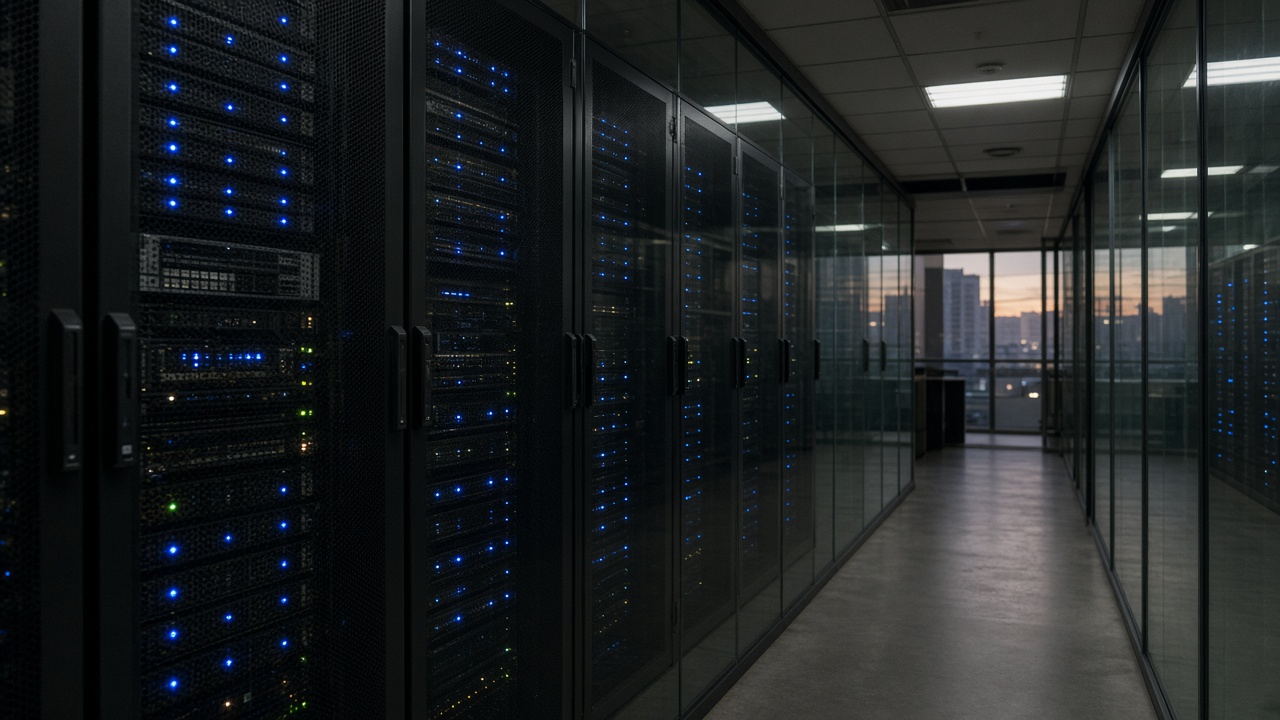
Anthropic started serving Indian financial-sector API clients through a Mumbai-region gateway operated by a domestic cloud partner, letting banks and insurers invoke Claude models while keeping prompt and log storage within India-bound contracts that align with Reserve Bank of India outsourcing guidelines, according to integration memos shared with two private lenders this week.
What the gateway adds
Previously, Indian BFSI developers called Anthropic endpoints from U.S. or Singapore regions, triggering lengthy legal reviews on cross-border data flows. The Mumbai route terminates TLS inside the partner's Maharashtra data hall, applies customer-managed encryption keys, and writes audit trails to object storage that contracts restrict to Indian jurisdictions. Model weights still run on overseas GPU clusters; only metadata and customer payloads stay local under the initial configuration.
Early adopters are testing summarisation of internal compliance circulars and coding assistants for legacy core-banking languages. None of the pilots yet touch live customer account numbers without masking middleware.
RBI compliance lens
The central bank's 2023 outsourcing directions require boards to approve cloud use, maintain exit plans, and ensure incident reporting within tight timelines. Anthropic's partner published a shared responsibility matrix mapping those clauses to Claude API features such as retention toggles and zero-data-training flags. Legal teams at participating banks said the mapping cut review cycles from months to weeks, though model-risk management committees still demand offline evaluations.
Competition with sovereign stacks
MeitY's IndiaAI Mission is funding domestic GPU pods and open-weight models for government workloads. Private banks must reconcile vendor enthusiasm for frontier U.S. models with procurement preferences for on-shore training data. Anthropic's pitch is capability—long-context reasoning for regulatory PDFs—while sovereign stacks emphasise control.
Implementation friction
Developers noted latency dropped 30–40 milliseconds for Mumbai users versus Singapore routing, but batch jobs that spike tokens during market hours still need rate-limit budgeting. Cost calculators show Claude Sonnet-class pricing remains above fine-tuned open models for high-volume chat, pushing banks toward hybrid architectures.
What regulators will watch
RBI supervisors have asked whether generative outputs used in credit memos receive human sign-off. The gateway logs prompt hashes for later examination but does not itself enforce underwriting policies. Banks must wire those controls in front-end workflows.
Next steps for enterprises
Insurance claims teams plan January pilots on damage-assessment photo captions, subject to IRDAI product filing rules. Wealth desks are more cautious, citing market-manipulation policies on automated research drafts. For CTOs, Wednesday's go-live is less a finished product than a compliance-shaped door to experiment—provided boards accept that model weights remain abroad even when logs stay home.