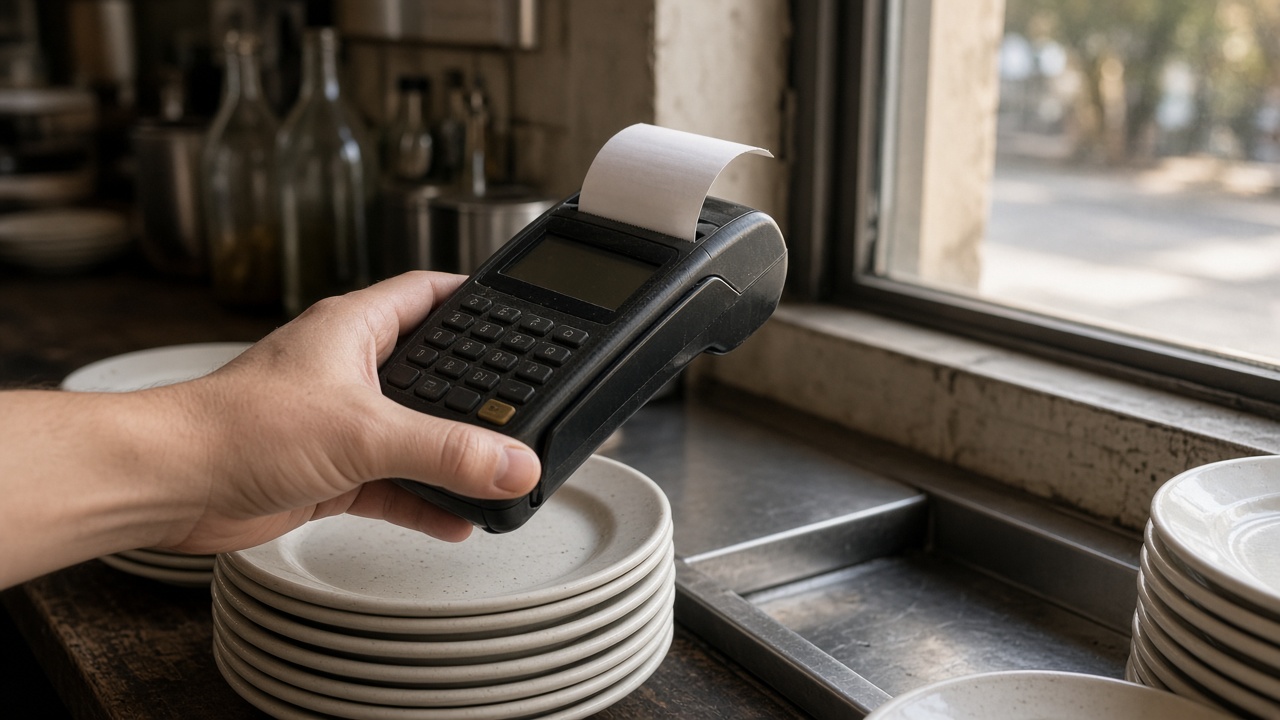
Australia’s ban on debit and credit card surcharges at the point of sale took effect on Wednesday, forcing cafes, tradies and online stores to absorb interchange fees or raise headline prices instead of adding a percentage fee at checkout.
The Treasury rules, backed by Australian Competition and Consumer Commission enforcement guidance, prohibit businesses from charging customers extra simply because they tap, insert or wallet-pay with a card. Payment platforms may still charge merchants, but those costs must be baked into displayed prices or absorbed as a cost of doing business.
Who is covered
The ban applies to most in-person and online purchases where a consumer uses a debit or credit card, including mobile wallets that draw on those accounts. Exemptions are narrow: certain government levies, some commercial card products and payments where another law explicitly permits a fee may still carry charges, and the ACCC has published worked examples for hospitality, health and professional services.
Small business groups said overnight that many members had reprinted menus and updated e-commerce carts to remove surcharge lines that had become common when inflation squeezed margins. Others warned that minimum spend rules or cash discounts could increase as owners sought to recover the 1 to 2 per cent they previously passed through at the terminal.
Enforcement and complaints
The ACCC said consumers should keep receipts showing surcharges and report merchants through its online form. Penalties can reach millions of dollars for large chains, while smaller operators may receive compliance notices first. Consumer Action Law Centre lawyers said they expect a wave of test complaints in the first fortnight as shoppers compare pre-October and post-October receipts.
Payment providers told merchants that surcharging toggles in terminal software must be disabled, and that buy-now-pay-later products that route through card networks are also captured if they mimic card checkout flows.
Impact on household budgets
For households, the immediate saving depends on how often they previously paid surcharges. RBA retail payments data showed card transactions accounted for more than two-thirds of in-person retail turnover last year, with surcharges more common in cafes, taxis and trades where margins are thin.
Comparison sites said some airlines and event ticketers had already shifted to “service fees” embedded in headline prices rather than separate surcharge lines, a practice consumer advocates said they would scrutinise if the fee varies only by payment method.
What businesses are doing
Franchise systems issued playbook updates to store managers on Tuesday night, including scripts for staff when customers ask why total prices rose slightly. Independent grocers in regional towns told industry newsletters they would monitor whether competitors quietly reintroduced surcharges under misleading labels.
Banks marketed merchant packages with lower effective interchange for contactless debit, arguing the ban makes transparent pricing more important than ever. Accountants urged clients to revisit point-of-sale reports so GST calculations remain accurate if prices change.
Looking ahead
Treasury will review implementation data with the ACCC after the December quarter, including whether commercial cards or invoice payments need clearer rules. Until then, the practical test for consumers is simple: if the receipt shows a card surcharge line on or after 1 October, regulators want to hear about it.