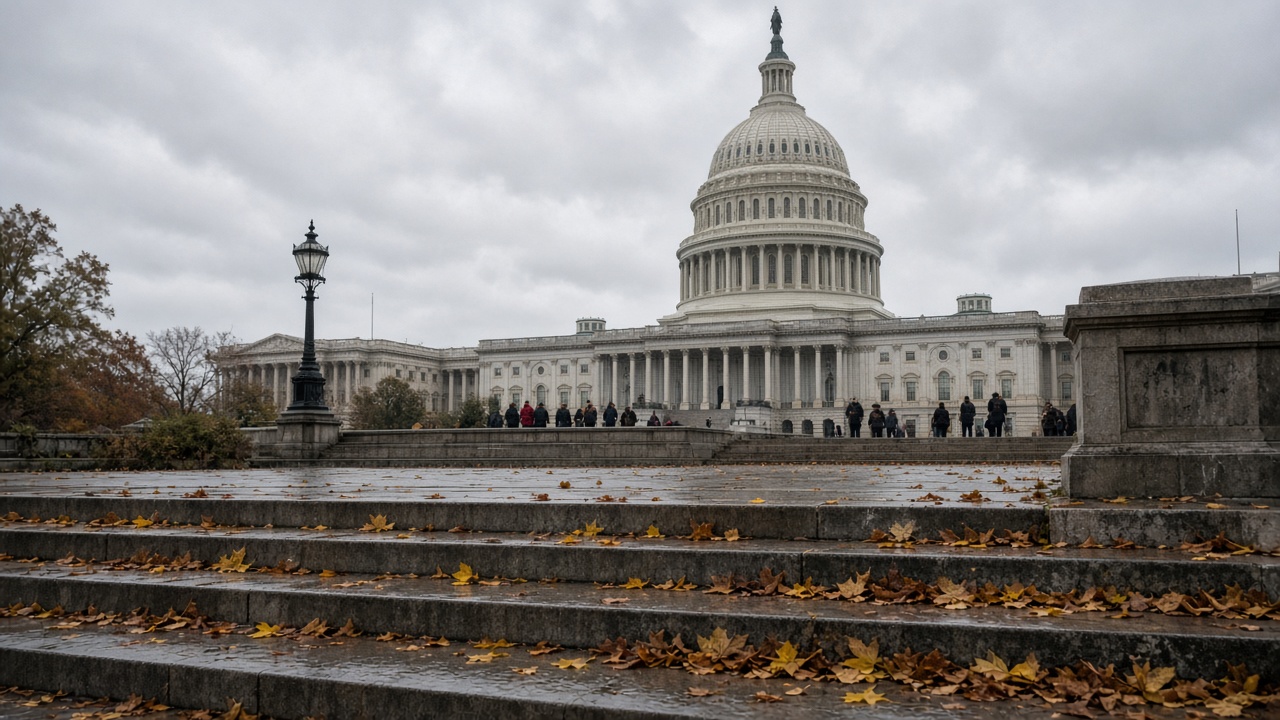
Washington entered fiscal year 2027 on October 1 with paychecks flowing but no final budget, after President Trump signed a stopgap measure that keeps agencies open only through December 11, 2026.
The Continuing Appropriations and Extensions Act, 2027 (Public Law 119-103) funds programs covered by all 12 appropriations bills at fiscal 2026 rates for roughly the first ten weeks of the new year. The Congressional Research Service estimates the annualized discretionary total near $1.7 trillion, but that figure describes the pace of spending under a freeze, not new policy choices lawmakers still have not made.
What October 1 actually changes
Mandatory programs—Social Security, Medicare, Medicaid, and most benefit checks—were never on the October cliff. The fight is discretionary: housing vouchers, national park operations, scientific grants, and the civilian payroll lines that require annual appropriations. Under a continuing resolution, agencies cannot start bold initiatives that cost more than last year’s plan, and hiring freezes in some departments linger because managers lack multi-year certainty.
The September deal avoided repeating the 43-day shutdown that began October 1, 2025, when none of the regular bills had passed. It also pushed the next hard deadline into December, compressing negotiations with lawmakers who want to leave town for the holidays. CRS notes that if full-year bills arrive before December 11, the stopgap funding for those programs ends when the permanent measure is signed.
Wallet and calendar stakes for readers
Federal employees and contractors should expect operating plans built on last year’s caps, not raises tied to new agency budgets. A separate civilian pay track can still freeze or adjust wages even while a CR runs; check your agency’s human-resources notices rather than assuming the stopgap covers a raise.
Travelers and park visitors learned in 2018 and 2025 that TSA screeners and essential air-traffic staff usually work through lapses, often without timely pay, which can lengthen lines even when flights remain legal. SNAP and housing aid can face delays if a December gap hits programs that depend on annual appropriations, which is why travel groups flagged the December 11 date even before tourists booked Thanksgiving trips.
What to watch in November
House and Senate negotiators must reconcile topline spending caps with policy riders ranging from border accounts to energy research. Leadership may package several bills together or string another short CR into January. None of that is scripted today; the only certainty is that October’s calm is borrowed time.
Voters do not need to follow every whip count, but anyone who depends on federal offices for passports, permits, or benefits should note December 11 on the calendar. The government is open this morning—it just is not fully funded for the year.